Theopolis Logo

Writing

Explore our collection of theological essays, biblical studies, and reflections on faith and culture.

See all
1ramoth-baptist-church-of-christ-7-bible
Pastoral Ministry

Rural Church Growth

I've pastored a very rural church for well over a decade. Our town has about 1,000 people and will never grow until Jesus returns. 38 people attend our worship on Sundays. Here's a quick list of what we’ve done to grow our church, and what I’ve done to survive pastorally.…

by TheopolisAugust 10, 2017

tim-marshall-k2u71wv2ei4-unsplash
Art

Letter to a Young Artist

Thanks for sharing so honestly about your current crisis of creativity. I totally understand and relate to that; it’s happened many times in my musical life thus far, and I’ve begun to accept it as a normal rhythm of the creative process. I actually went through a serious dry spell…

by Joel ClarksonAugust 8, 2017
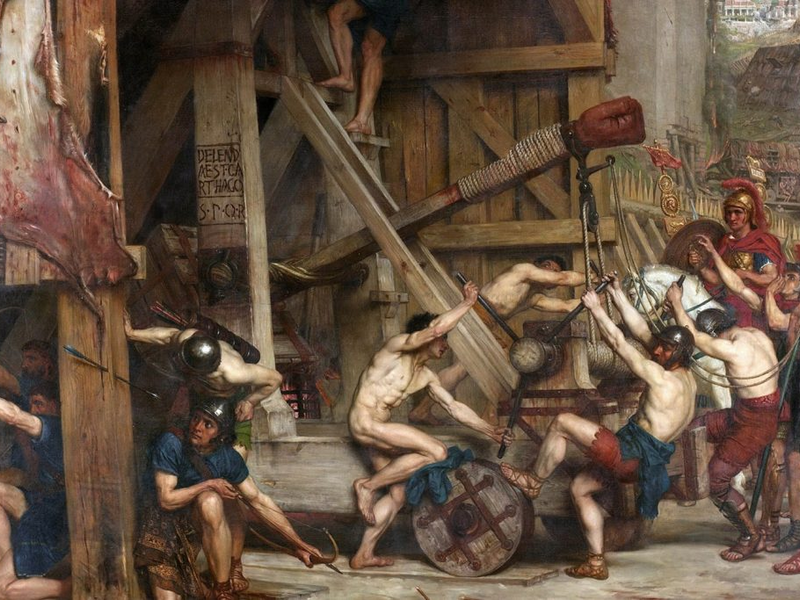
catapult-poynter-crop-ti
Biblical Theology

Stones and Fruit: Divination and Procreation – (Part 3)

The Broken Stones of Israel At Sinai, the tablets of the Law of Moses were broken and restored. The Old Testament is a history of “new covenants,” including that promised in Jeremiah and fulfilled in Zechariah. Ultimately, the vertical Oath and the horizontal Sanctions met in the death of Jesus…

by Mike BullAugust 3, 2017
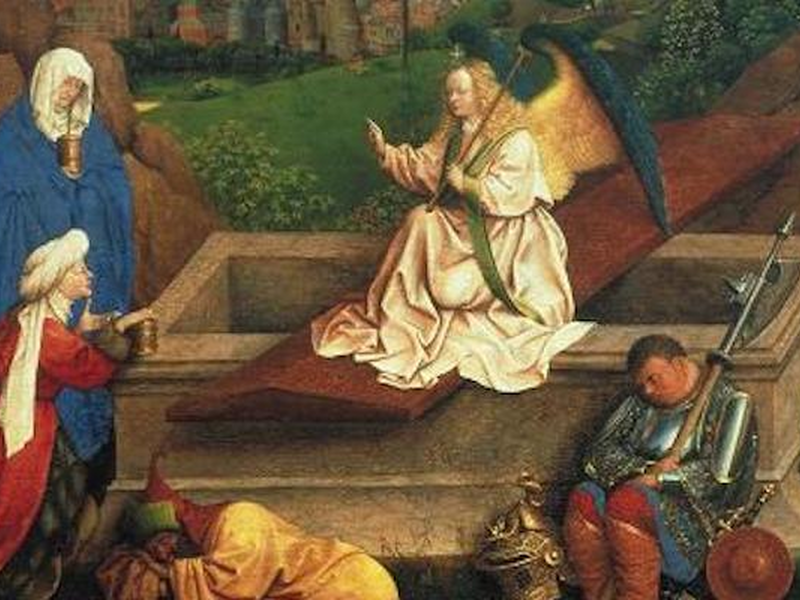
resurrection-2
Isaiah

God's Market, the Church

Woe to the sinful nation. Woe to those who enlarge their estates and build their portfolios. Woe to the drunks. Woe to those who call evil good and good evil. Woe to the proud who are wise in their own eyes. Woe to Congressmen who pass unjust laws and to…

by Peter LeithartAugust 1, 2017
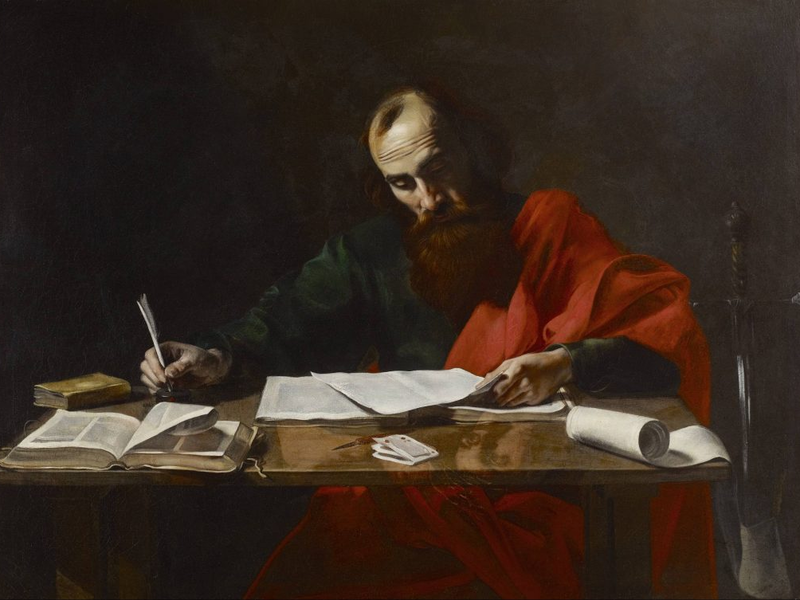
paul
Romans

In the Flesh: Then and Now

The interpretation of Romans 7:7-25 is notoriously difficult. Good scholars disagree on many aspects of the passage, but the central interpretative difficulty concerns the identity of the “I.” Is Paul referring to himself? Is Paul referring to himself pre- or post-conversion? Does the “I” refer to Adam? Is the “I”…

by Bill SmithJuly 27, 2017
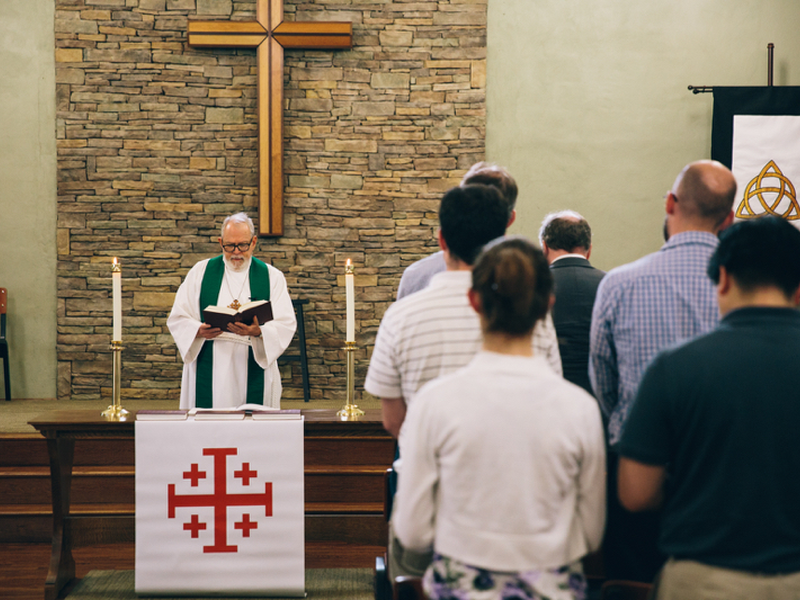
e99a1883
How to Worship

The Minister's Uniform

You board the Metra train at Arlington Heights station one afternoon, heading to downtown Chicago for some sight-seeing. As the train departs from the station, a man in jeans, a striped t-shirt, and a Kansas City Royals baseball cap enters your train car, and begins asking to see each passenger’s…

by Jon HerrJuly 25, 2017

Showing page 108 of 309

See all

Showing page 5 of 43

See all

Exhortation, August 28

Hope is one of the traditional “theological virtues” – faith, hope and love. Hebrews 11 defines faith as hope, and for Paul “hope,” like Victor and Faith, is another name for Jesus (1 Timothy 1:1). In our sermon text, Paul encourages hope by saying God is able to do “exceeding…

August 28, 2005
Philosophy

Transcendence and Immanence

There’s a slight false step, in the midst of a very helpful point, in Bruce Ellis Benson’s superb Graven Ideologies : He has been explaining the “double transcendence” of Platonism - metaphysical (Truth’s being is beyong the sensible world) and epistemological (human beings can get beyond the sensible world to…

August 28, 2005
Music

But for Luther

In his Teaching Company tapes on Bach and the Baroque (recommended), Robert Greenberg suggests an historical sequence that accounts for the development of German music: Music for singing, which in the period was largely church music, must take account of the language in which the music is sung. German is…

August 27, 2005

Mystery of Christ

Is the “mystery of Christ” in Ephesians 3:4 a mystery about Christ or is Christ Himself the mystery? Let’s take the latter option - Christ Himself is the mystery (cf. Colossians 1:27). How does that connect with the way Paul unpacks the mystery in terms of Jew/Gentile union (v. 6)?…

August 27, 2005

Gifts of men

NT Wright points out that the ascent and descent language in Ephesians 4:7-10 is reminiscent of Moses ascending Mount Sinai and then descending with the tablets of the Ten Commandments. Jesus ascends to heaven, and when He returns He does not bring the law of commandments on tablets of stone,…

August 27, 2005
Literature

Tragedy and Time

Macbeth hopes that his one act of regicide will stop the flow of time - “if ‘twere done when ‘tis done, then ‘twere well it were done quickly.” But it can’t be done when it’s done; actions provoke reactions. He ends tragically because he cannot trammel up the consequence. Time…

August 27, 2005

Showing page 1951 of 2212

Browse by Category

In Medias Res

Your weekly digest for all things Theopolis.

Donate

Theopolis is nearly 100% donor-supported. Consider joining us on our mission.