Theopolis Logo

Writing

Explore our collection of theological essays, biblical studies, and reflections on faith and culture.

See all
medievalilluminatedmanuscript
Biblical Studies

The Art of Why

“We have a God who hides things because He loves to be sought out, chewed out and found out.” As Christians, we are rightly taught that we must not question God’s Word. The problem is that the Scriptures record many things which appear to have been given to us for…

by Mike BullMay 12, 2015
last-supper
Revelation

Eucharistic Harvest

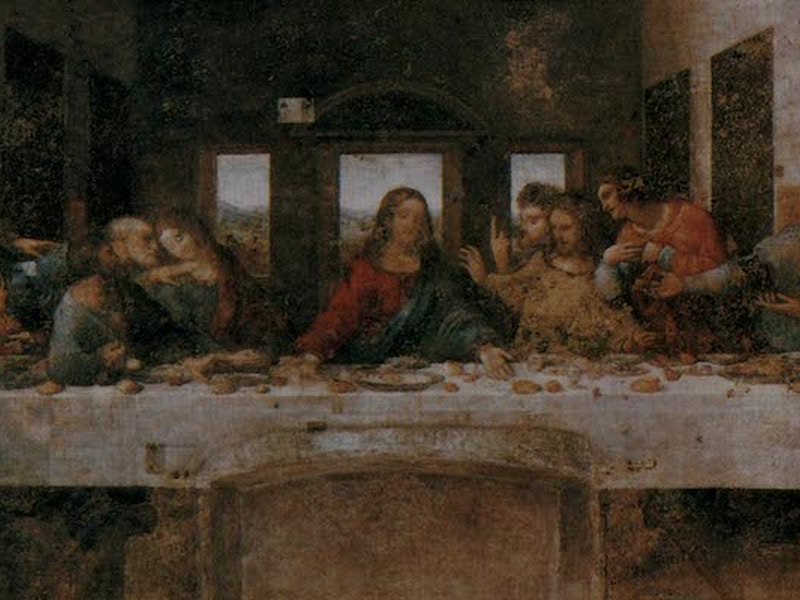
The book of Revelation is a liturgy. John begins “in the Spirit” on the “Lord’s day” (1:10). Jesus appears, and Jesus tells him to record messages to seven churches, words of encouragement and rebuke, like the call to worship and confession at the beginning of a Christian liturgy. In chapter…

by Peter LeithartMay 7, 2015
sunrise-2
Creation

Maker of Heaven and Earth, (Part 5)

In my previous posts, I looked at the theme of creation as it is found in a sequence of psalms devoted to Yahweh’s Kingship (Psalms 93-100). Among other matters, these psalms declare that when the Kingdom of Israel’s God comes, it is the Kingdom of the world’s own Creator .…

by Stephen LongMay 7, 2015
13071-probablyvalentindeboulogne-saintpaulwritinghi-1
Deuteronomy

Paul the Levir

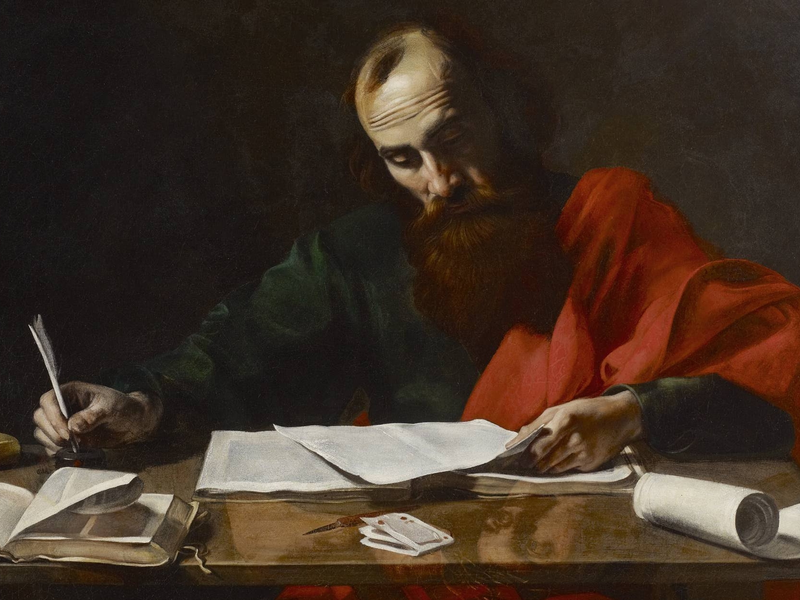
The church in Corinth was a pastoral nightmare. Factionalism, sexual immorality, incipient syncretism, using the church as a stage for self-promotion, and denial of the final resurrection were just some of the problems. In Paul’s first letter to the Corinthian church, he confronts each of these problems directly and in…

by Bill SmithMay 5, 2015
creation-eve
Covenant

Covenant Structure in Genesis 2

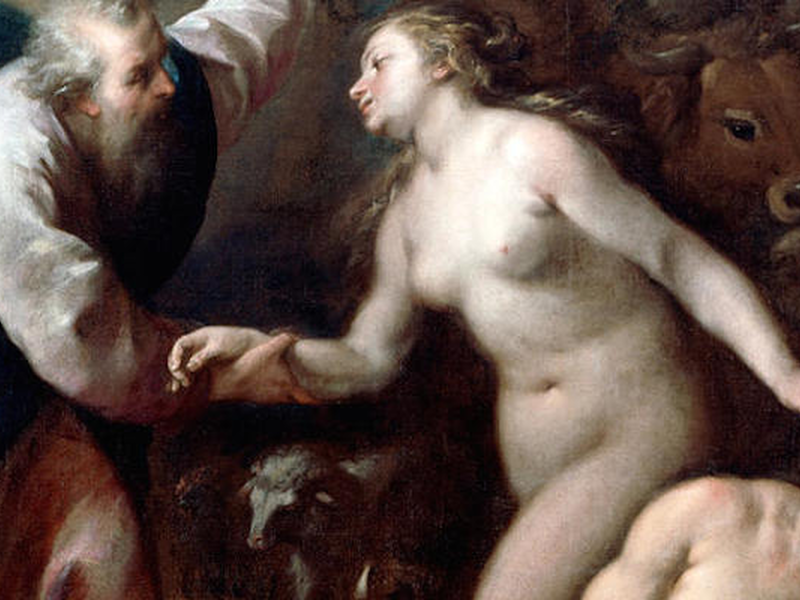
The first chapters of the Word of God have a poetic rhythm. This is used to discredit their accuracy as historical narrative, but the truth is that these same rhythms continue far beyond the book of Genesis. In fact, the later texts shed light on the frustratingly succinct account of…

by Mike BullApril 30, 2015
light-bulb
Creation

Must A Light Bulb Be "Oriented Toward Illumination"?

Mr. Martian: What’s that there? Mr. Edison: (Edison holds up a standard, 60 watt lightbulb). It’s a lightbulb. Mr. Martian: A “lightbulb” you say? What exactly is a “lightbulb”? Mr. Edison: A lightbulb is an object used to illuminate a dark area, say a room. It’s made primarily of filament…

by Gerald HiestandApril 28, 2015

Showing page 154 of 309

See all

Showing page 5 of 43

See all

Exhortation, August 28

Hope is one of the traditional “theological virtues” – faith, hope and love. Hebrews 11 defines faith as hope, and for Paul “hope,” like Victor and Faith, is another name for Jesus (1 Timothy 1:1). In our sermon text, Paul encourages hope by saying God is able to do “exceeding…

August 28, 2005
Philosophy

Transcendence and Immanence

There’s a slight false step, in the midst of a very helpful point, in Bruce Ellis Benson’s superb Graven Ideologies : He has been explaining the “double transcendence” of Platonism - metaphysical (Truth’s being is beyong the sensible world) and epistemological (human beings can get beyond the sensible world to…

August 28, 2005
Music

But for Luther

In his Teaching Company tapes on Bach and the Baroque (recommended), Robert Greenberg suggests an historical sequence that accounts for the development of German music: Music for singing, which in the period was largely church music, must take account of the language in which the music is sung. German is…

August 27, 2005

Mystery of Christ

Is the “mystery of Christ” in Ephesians 3:4 a mystery about Christ or is Christ Himself the mystery? Let’s take the latter option - Christ Himself is the mystery (cf. Colossians 1:27). How does that connect with the way Paul unpacks the mystery in terms of Jew/Gentile union (v. 6)?…

August 27, 2005

Gifts of men

NT Wright points out that the ascent and descent language in Ephesians 4:7-10 is reminiscent of Moses ascending Mount Sinai and then descending with the tablets of the Ten Commandments. Jesus ascends to heaven, and when He returns He does not bring the law of commandments on tablets of stone,…

August 27, 2005
Literature

Tragedy and Time

Macbeth hopes that his one act of regicide will stop the flow of time - “if ‘twere done when ‘tis done, then ‘twere well it were done quickly.” But it can’t be done when it’s done; actions provoke reactions. He ends tragically because he cannot trammel up the consequence. Time…

August 27, 2005

Showing page 1951 of 2212

Browse by Category

In Medias Res

Your weekly digest for all things Theopolis.

Donate

Theopolis is nearly 100% donor-supported. Consider joining us on our mission.