Theopolis Logo

Writing

Explore our collection of theological essays, biblical studies, and reflections on faith and culture.

See all
29994-adam-and-eve-in-the-garden-of-eden-800w-tn
Biblical Theology

Jesus in the Garden

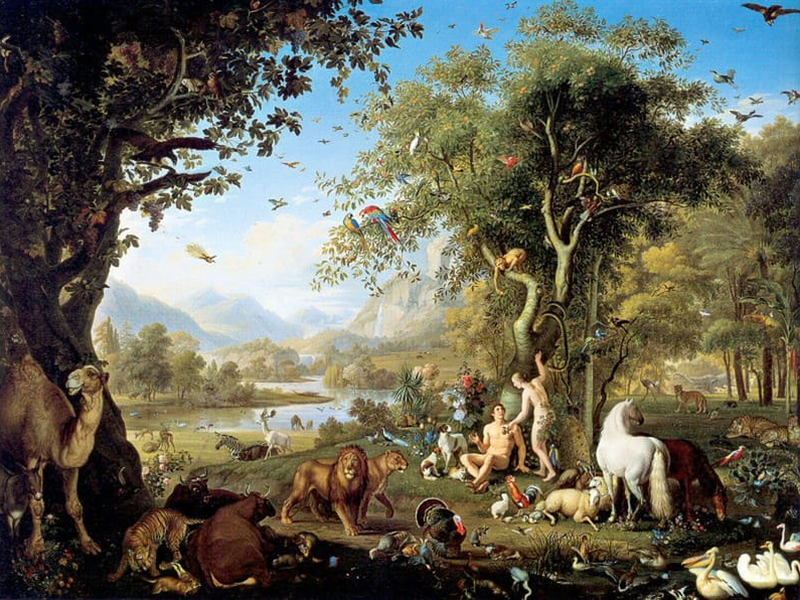
Figure: Literary structure of the Garden narrative The Garden narrative describes God forming the adam , resting him in his presence, then provisioning for his appetites of food, vocation, and mate. It continues to describe a snake, the introduction of death, and humanity's expulsion from the garden. The pages of…

by Scott FairbanksJune 25, 2019
irenaeus-of-lyons-620x350
Christology

St. Irenaeus, the Beatific Vision, and the Instrumentalization of Creation

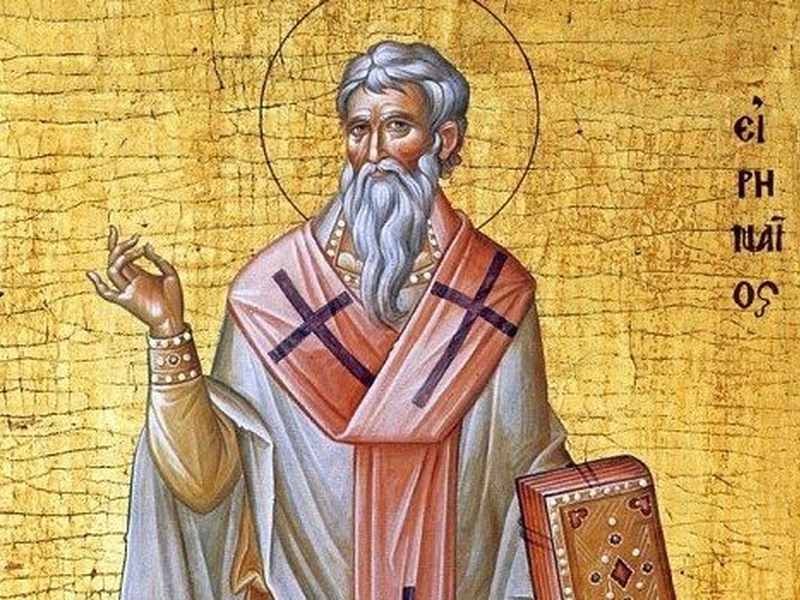
I’ve spent the last few years studying the theology of St. Irenaeus (d. circ. 200ad). In particular, I’ve been gripped by the way that Irenaeus consistently resisted the anti-body emphasis that emerged in later Christian theology. His eschatology is remarkably focused on the resurrection of the body, and the renewal…

by Gerald HiestandJune 18, 2019
aaron-burden-1ebsmyrau-s-unsplash
Exodus

The Light Before the Switch

Details of Jesus in Exodus 1:22-2:25 Although there are a great many Christ-types in the Old Testament, it is hard to overplay the obviousness of some that seem to necessarily rise to the top before others. One of these is Isaac, with his near sacrifice by his own father after…

by Eric RobinsonJune 11, 2019
thomas-habr-185321-unsplash
Biblical Theology

Characteristics of the Wicked City

What can we say about Cain's wicked sanctuary-city of Enoch? First that it was built with a brother's blood as its cornerstone. The Church is also built such, for Jesus was the younger brother of the whole Adamic race, slain by that company of older brothers because they hated Him.…

by James B. JordanJune 4, 2019
simon-caminada-107680-unsplash
Biblical Theology

Trees and Thorns

In Genesis 2:9 the ground brought forth trees good for food, delightful to view, and in two cases, life-giving or rule-bestowing. Adam, made of the ground (2:7), would by implication bring forth new trees, and thus trees and plants are among the symbols for human beings throughout the Bible. The…

by James B. JordanMay 28, 2019
annie-spratt-44241-unsplash
Biblical Theology

Trees for Food

One of the must fundamental teachings of the Bible and of the Christian religion is that man does not have life in himself. Man must get life from outside of himself, in order to maintain his life. The way this is done is through eating and drinking. Apart from life,…

by James B. JordanMay 21, 2019

Showing page 78 of 309

See all

Showing page 5 of 43

See all

Exhortation, August 28

Hope is one of the traditional “theological virtues” – faith, hope and love. Hebrews 11 defines faith as hope, and for Paul “hope,” like Victor and Faith, is another name for Jesus (1 Timothy 1:1). In our sermon text, Paul encourages hope by saying God is able to do “exceeding…

August 28, 2005
Philosophy

Transcendence and Immanence

There’s a slight false step, in the midst of a very helpful point, in Bruce Ellis Benson’s superb Graven Ideologies : He has been explaining the “double transcendence” of Platonism - metaphysical (Truth’s being is beyong the sensible world) and epistemological (human beings can get beyond the sensible world to…

August 28, 2005
Music

But for Luther

In his Teaching Company tapes on Bach and the Baroque (recommended), Robert Greenberg suggests an historical sequence that accounts for the development of German music: Music for singing, which in the period was largely church music, must take account of the language in which the music is sung. German is…

August 27, 2005

Mystery of Christ

Is the “mystery of Christ” in Ephesians 3:4 a mystery about Christ or is Christ Himself the mystery? Let’s take the latter option - Christ Himself is the mystery (cf. Colossians 1:27). How does that connect with the way Paul unpacks the mystery in terms of Jew/Gentile union (v. 6)?…

August 27, 2005

Gifts of men

NT Wright points out that the ascent and descent language in Ephesians 4:7-10 is reminiscent of Moses ascending Mount Sinai and then descending with the tablets of the Ten Commandments. Jesus ascends to heaven, and when He returns He does not bring the law of commandments on tablets of stone,…

August 27, 2005
Literature

Tragedy and Time

Macbeth hopes that his one act of regicide will stop the flow of time - “if ‘twere done when ‘tis done, then ‘twere well it were done quickly.” But it can’t be done when it’s done; actions provoke reactions. He ends tragically because he cannot trammel up the consequence. Time…

August 27, 2005

Showing page 1951 of 2212

Browse by Category

In Medias Res

Your weekly digest for all things Theopolis.

Donate

Theopolis is nearly 100% donor-supported. Consider joining us on our mission.