Theopolis Logo

Writing

Explore our collection of theological essays, biblical studies, and reflections on faith and culture.

See all
e99a9334
Advent

Stretching Christmas

For many people Christmas comes on December 25 and is over December 26. The tree is taken down along with the lights and the other decorations, and everyone begins setting the house in order for the new year. No more Christmas hymns. No more celebrations (well, until New Year’s Eve).…

by Steve WilkinsDecember 24, 2016
ascension
Advent

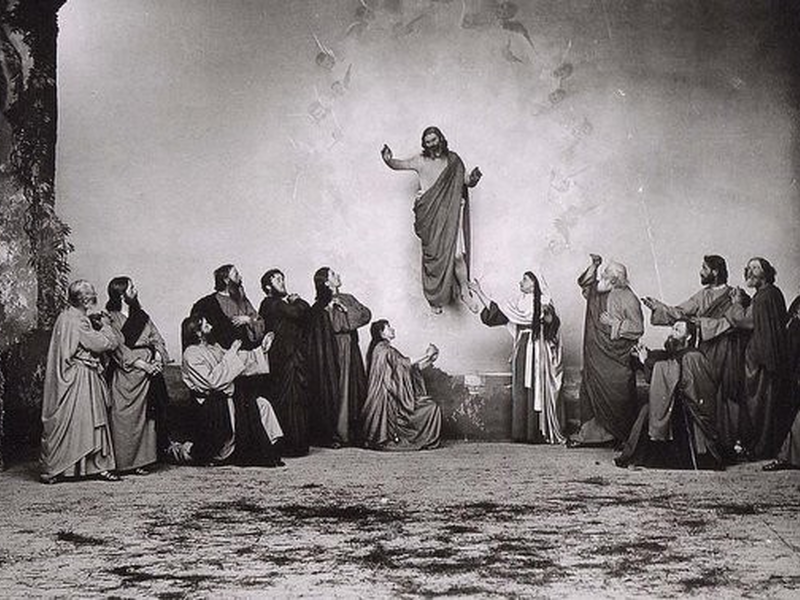
Ascension and Incarnation

The Ascension and the Incarnation should not be disconnected in our Christmas thinking or celebrations. As N.T. Wright notes, the ascension is "a central and vital feature without which all sorts of other things start to go demonstrably wrong. . . . where the ascension has been ignored or misunderstood,…

by Roy AtwoodDecember 23, 2016
nativity-rembrandt
Advent

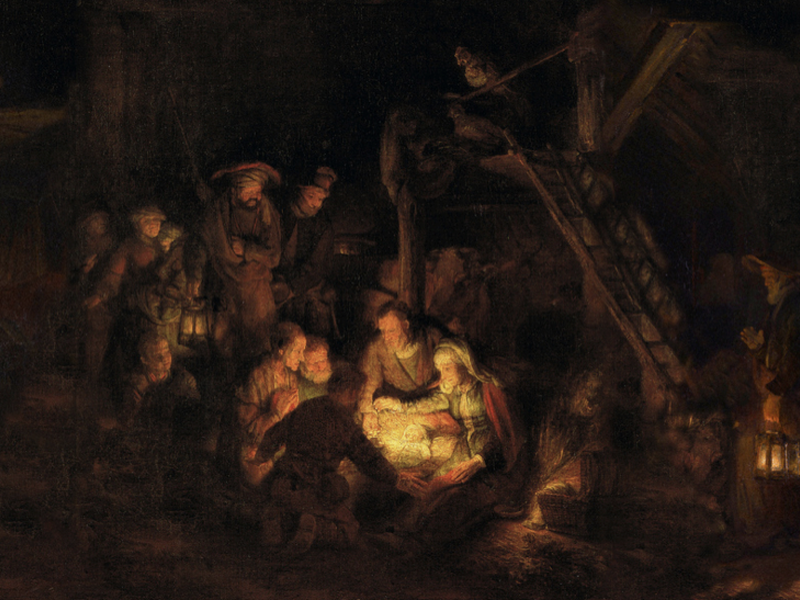
Christmas Light

“In the Word was life, and the life was the light of men. And the light shines in the darkness.” Thus John describes the incarnation of the Son. He comes as the living and life-giving light of the world. That’s good news. In the beginning, God spoke and light shone…

by Peter LeithartDecember 23, 2016
nativity-chagall
Advent

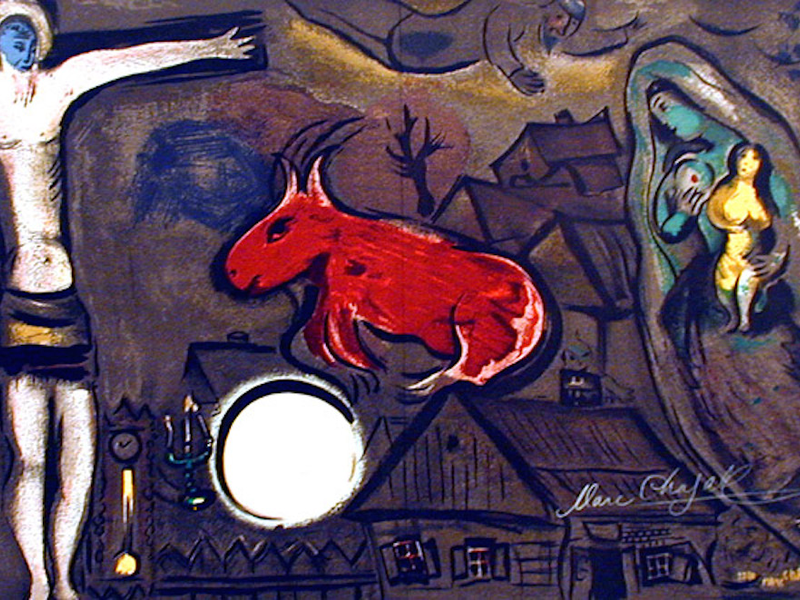
The Spirit of Christmas

Christmas is all about Jesus. The angels announce Jesus’ birth, shepherds and wise men come to see Jesus, Herod wants to kill Jesus. We occasionally think of the Father who sent the Son, but we keep returning to the Son made flesh in Bethlehem’s manger. Meanwhile, as always, the Spirit…

by Peter LeithartDecember 22, 2016
nativity
Advent

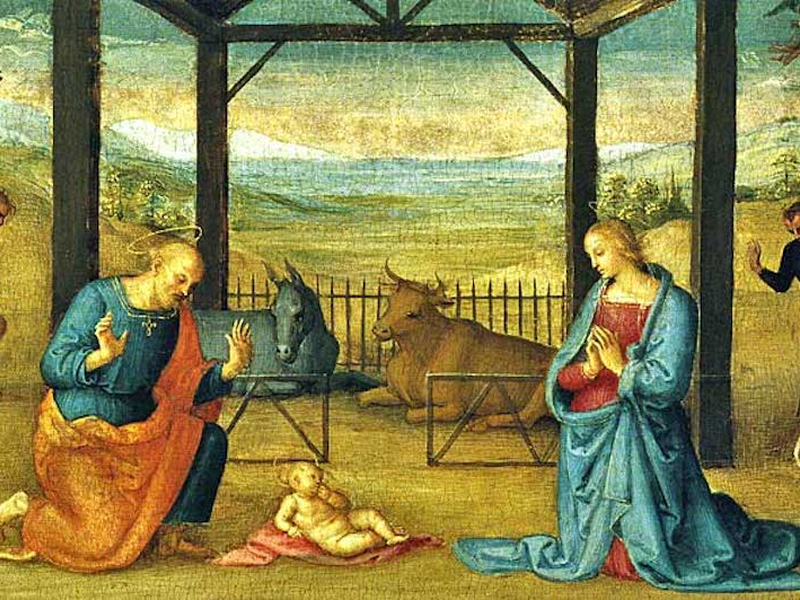
The Humility of God

Christmas is about many things, but one of the chief things revealed in the gospel of Christmas is the humility of God. We don't often think of humility as an attribute of God. If God is glorious and exalted, we think, He must be haughty and proud and self-centered. We…

by Peter LeithartDecember 21, 2016
screenshot-2025-12-15-at-8-35-45-am
Advent

Advent of Unity

John famously begins his Gospel with a piece of theology: “In the beginning was the Word, and the Word was with God, and the Word was God.” Matthew starts with a genealogy. John celebrates Advent with a hymn, Matthew with a list. For John, Jesus is the Word of creation…

by Peter LeithartDecember 20, 2016

Showing page 120 of 309

See all

Showing page 5 of 43

See all
Literature

Upside-down Popes

John Scott offers this rich interpretation of Inferno 19, where Dante comes across a collection of popes and other churchmen stuck upside-down in the rocks of Hell, their feet “licked” with fire: “Instead of turning their desires heavenward, these corrupt churchmen had sold the things of the Holy Spirit (just…

April 1, 2005
Literature

Why Virgil?

Why is it Virgil who leads Dante through Hell and as far as the top of Mount Purgatory? Well, he’s a poet for one thing, the greatest poet of all by Dante’s reckoning. Plus, for the medievals, he had taken on the role of sage and magus, and was widely…

March 31, 2005

Naboth’s Refusal

Why did Naboth refuse to sell his vineyard to Ahab? Ray Dillard pointed to Leviticus 25 for the answer: “Because the land represented the fruit of the nation’s redemption, God commanded that it remain in the hands of the families to whom it was originally allotted. The land had been…

March 30, 2005

Naboth’s Refusal

Why did Naboth refuse to sell his vineyard to Ahab? Ray Dillard pointed to Leviticus 25 for the answer: “Because the land represented the fruit of the nation’s redemption, God commanded that it remain in the hands of the families to whom it was originally allotted. The land had been…

March 30, 2005

Sermon Notes, April 3

INTRODUCTION Ahab?s sin begins in idolatry. But his sin is not a ?private?Esin, nor is it confined to a ?religious?Earea of life. In 1 Kings, as in all the prophets, idolatry always leads to social oppression and injustice. The sin of Ahab foreshadows the later oppressions of Manasseh and other…

March 29, 2005

The Body

Paul’s description of the church as the body of Christ parallels in both its basic conception and in its details the social theory of ancient moralists. Seneca, for instance, wrote, “What if the hands should desire to harm the feet, or the eyes the hands? As all the members of…

March 29, 2005

Showing page 1996 of 2212

Browse by Category

In Medias Res

Your weekly digest for all things Theopolis.

Donate

Theopolis is nearly 100% donor-supported. Consider joining us on our mission.