Theopolis Logo

Writing

Explore our collection of theological essays, biblical studies, and reflections on faith and culture.

See all
screenshot-2024-10-15-at-10-54-38-am
Romans

Robbing Temples

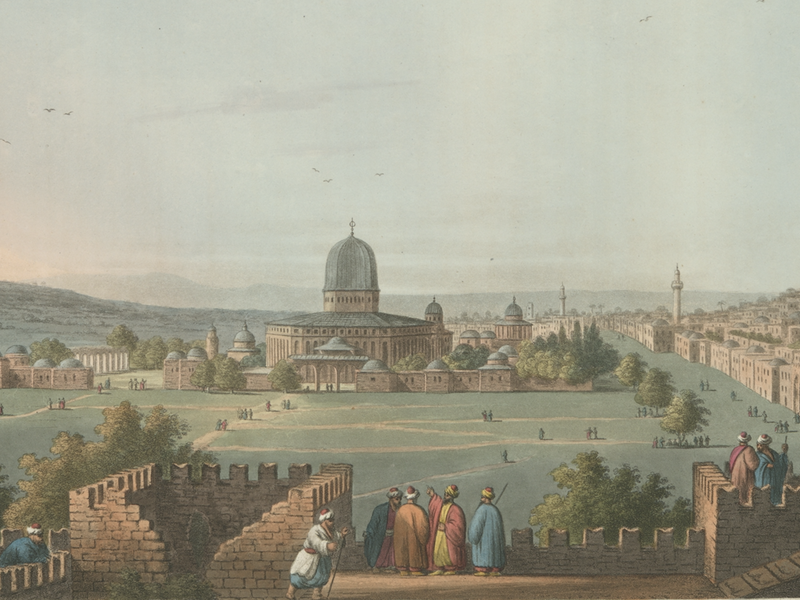
Paul writes to Jews, “You who abhor idols, do you rob temples?” (Romans 2:22b) The English translation “rob temples” makes readers think of pagan temples. There was only one Temple for Israel, so robbing more than one would indicate other temples are in view. And if the Jews wanted to…

by Mark HorneOctober 15, 2024
screenshot-2024-10-03-at-12-59-20-pm
Genesis

Regarding Abel’s Offering

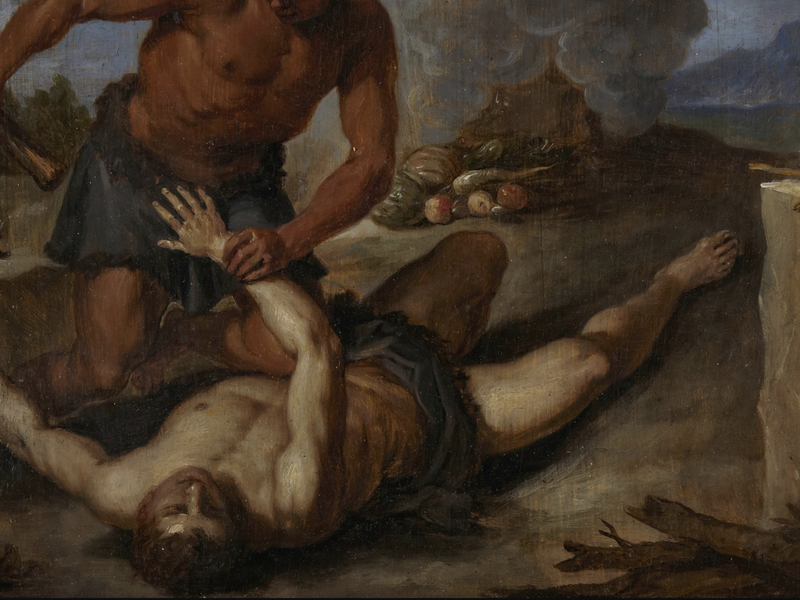
Two offerings Humanity’s first vocation involves guarding and serving the trees that emerge from the ground (Genesis 2:15). God provides these trees to humanity for food. A serpent appears and tempts the couple to eat from a special forbidden tree, the tree of the knowledge of good and evil. Humanity…

by Scott FairbanksOctober 3, 2024
jeremy-thomas-e0ahdsenmdg-unsplash
Hermeneutics

The Trinity and Cross in Creation

At the outset of the Torah (as Christians understand it), a triune God creates the heavens and earth over the course of a seven-day week. Why? What’s the connection between the three and the seven? Could a triune God have created the world over any period of time he chose?…

by James BejonOctober 1, 2024
dan-edwards-sid-lmfxsdu-unsplash
Deuteronomy

Axe Heads and Parapets: Legal Edge Cases?

How relevant to the modern reader are the flying axe head of Deuteronomy 19:5 and the roof parapet of Deuteronomy 22:8? Indeed, how relevant were they to the daily lives of Israelites thirty-five hundred years ago? Suppose that accidental falls from rooftops were exceedingly uncommon in ancient Israel, or that…

by Josh JensenSeptember 24, 2024
matt-cramblett-fbg4owazcd8-unsplash
Political Theology

The Church Builds the World

1 For most of my life, the standing of the American church as a source of national social and political order was measured by reports from the front of the so-called “culture wars.” 2 Memory brings to mind battles over feminism and the ERA, so-called gay rights, the breakdown of…

by Gary YoungSeptember 17, 2024
sixteen-miles-out-al48tflf4e8-unsplash
Matthew

That He would be called a Nazarene

But when Herod died, behold, an angel of the Lord appeared in a dream to Joseph in Egypt, saying, ‘Rise, take the child and his mother and go to the land of Israel…’ And he went and lived in a city called Nazareth, so that what was spoken by the…

by Lyndon JostSeptember 10, 2024

Showing page 17 of 309

See all

Showing page 5 of 43

See all

Preflood Generation (Luke 17:27)

Jesus describes the activities of the unsuspecting preflood generation by listing four activities (Lk 17:27): eating and drinking marrying and giving in marriage. He then describes the activities of the unsuspecting residents of Sodom by listing six activities (Lk 17:28): eating and drinking buying and selling planting and building. Several…

January 26, 2004
Media

James Welch

There’s an intriguing review of the work of James Welch in the January 26 Weekly Standard . Welch, who died last year, was a Montana-based poet and novelist, known as an “Indian poet” and “Indian novelist” for his focus on the lives and history of American Indians. The interest of…

January 26, 2004

Exhortation, January 25

Exhortation for January 25: Jesus concluded the parable of the “unjust steward” by saying, “He who is faithful in a very little thing is faithful also in much; and he who is unrighteous in a very little thing is unrighteous also in much.” Though Jesus’ words have a particular application…

January 25, 2004

Eucharistic Meditation, January 25

Eucharistic meditation for January 25: Acts 2:41-47 In the book of Acts, we see the early church carrying out Jesus’ instructions regarding the proper use of wealth. After the Spirit was poured out on Pentecost, and 3000 were saved, the disciples begin to sell their possessions in order to share…

January 25, 2004

Baptismal Meditation, January 25

Baptismal meditation for January 25: Matthew 18:1-6 This passage in Matthew is parallel to the first part of Matthew 17 in our sermon text. As I mentioned in the sermon, Jesus’ reference to “little ones” in Luke 17 is not referring to little children, but to lowly people like Lazarus.…

January 25, 2004

Civilization and Orifices

Becoming civilized is a matter of gaining control over the body, and this bodily control is largely centered, as Mary Douglas recognized, on orifices. Infants have no control over their sphincters: They can’t hold urine or faeces, they fart and burp at inappropriate moments, they regurgitate milk and don’t care…

January 25, 2004

Showing page 2132 of 2212

Browse by Category

In Medias Res

Your weekly digest for all things Theopolis.

Donate

Theopolis is nearly 100% donor-supported. Consider joining us on our mission.