Theopolis Logo

Writing

Explore our collection of theological essays, biblical studies, and reflections on faith and culture.

See all
little-girl
Children

Honor God With Your Body

I am making a new rule in our house! We are actually kind of skimpy on the house rules. I try very hard to keep things simple: love God, love others, be joyful. It’s not complicated to avoid discipline here. But I have found myself repeating this new rule over…

by Lindsey TollefsonApril 9, 2015
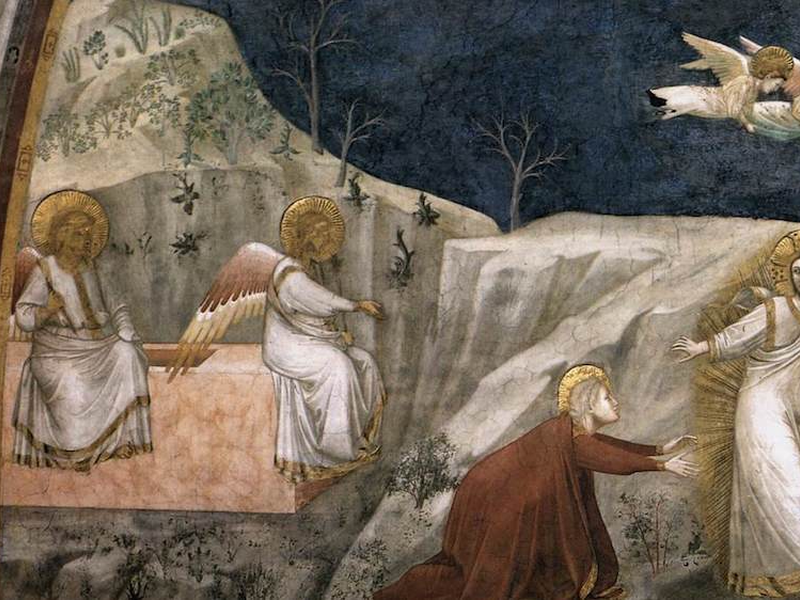
giotto-noli-me-3
John

The Gardener and the Beloved, (Part 3)

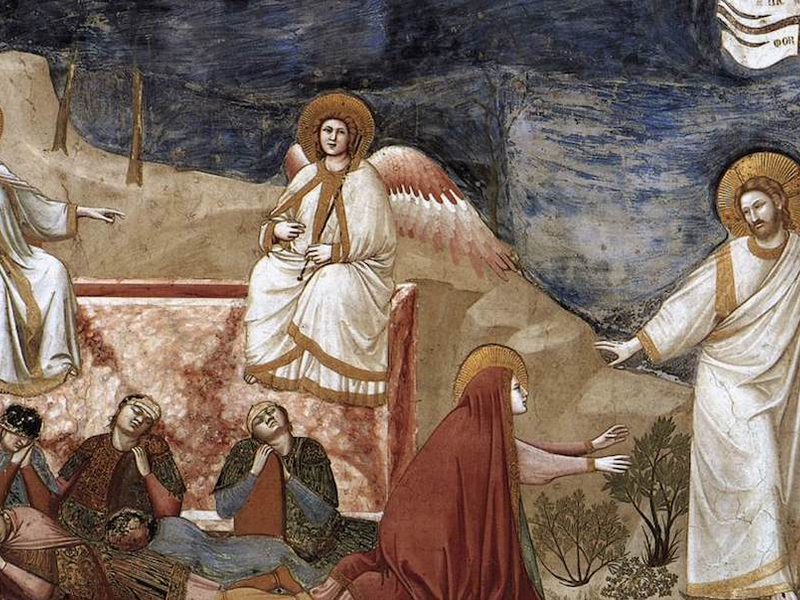
Click HERE for Part 2 The voice of Jesus transforms and changes Mary when she hears him speak her name. This is her last “turning.” So also the woman in the Song of Songs longs to hear the voice of her beloved. Let me see your face, let me hear…

by Jeff MeyersApril 6, 2015
giotto-noli-me-2
John

The Gardener and the Beloved, (Part 2)

Click HERE for Part 1. The details of this story call the attentive reader back to the drama of Solomon’s Song of Songs. And the Song of Song’s alludes to, ties us into the story of Adam and Eve in the Garden and the promise of a coming Messiah that…

by Jeff MeyersApril 4, 2015
easter-term-2015-2
Theopolis News

Easter Term, 2015

“The course was a paradigm shift for me,” said Jonathan Sedlak, a Milwaukee electrical contractor who attended Theopolis’s course on Revelation. “I am left with a book that is far more practical than it has ever seemed before.” Jonathan Anderson of Louisville, Kentucky found the course “refreshing.” “I finished with…

by TheopolisApril 2, 2015
psalm-singing
Genesis

Worship as Response: Liturgical Logic, (Part 1)

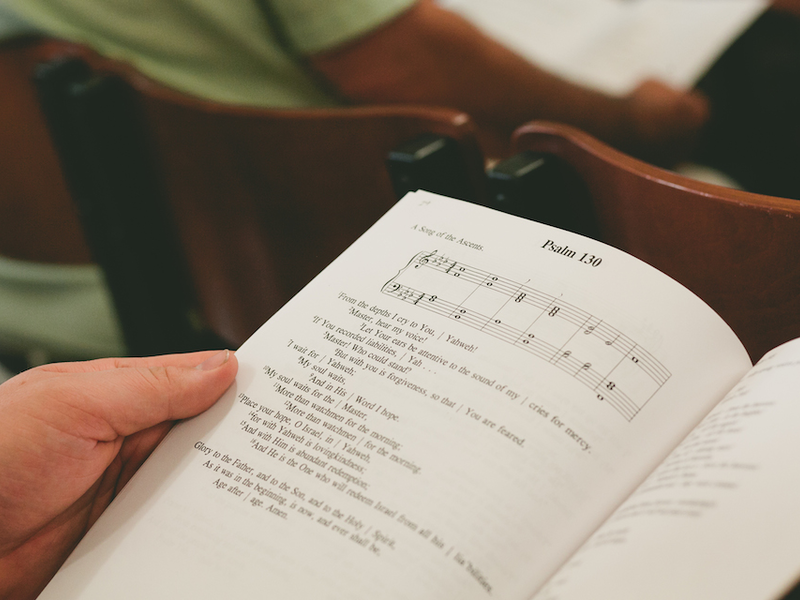
“It is only by participation in a rational, practice-based community that one becomes rational.” – Alasdair MacIntyre It may be perfectly clear to a chef why adding unsifted powdered sugar to a hot frosting is a bad idea. But for an amateur cook, this may be the kind of rule…

by Jonathan BarlowApril 2, 2015
giotto-noli-me
John

The Gardener and the Beloved, (Part 1)

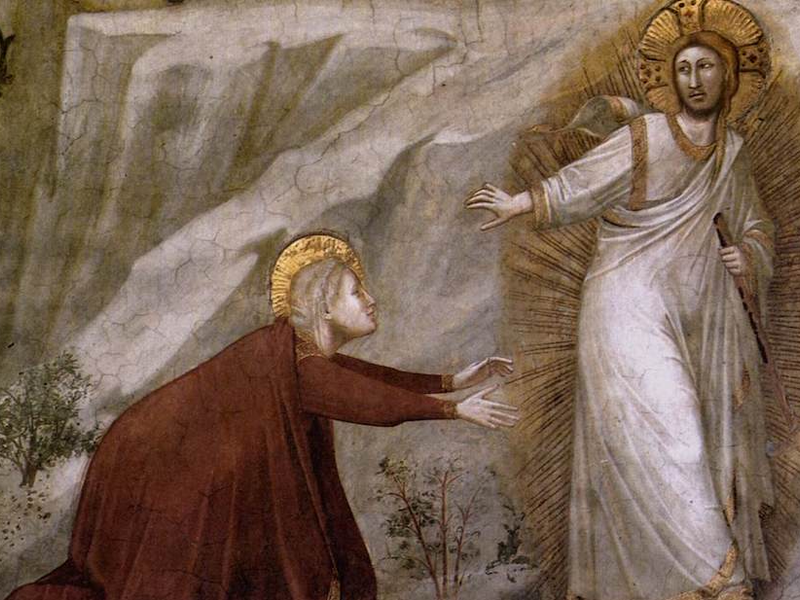
On a fresco in a chapel in Padua, Italy, there is a famous painting depicting the dramatic post-resurrection scene in John 20 with Mary and Jesus outside of the garden tomb. Giotto di Bondone painted it in the early 14th century. Jesus is striding from the tomb with a victor’s…

by Jeff MeyersApril 1, 2015

Showing page 156 of 309

See all

Showing page 5 of 43

See all

David's Speech to Solomon

1 Chronicles 22:6–16 records David's hortatory speech to Solomon about building the temple. It is divided into two large sections, both marked by the phrase “my son” (22:7, 11). The first section repeats Yahweh's oracle to David explaining why he would not build the house and promising that David's son…

January 24, 2017

The Essential Mary

S ince the Son is incarnate, argues Aaron Riches in his Ecce Homo , “we must speak of unum esse simpliciter ,” yet Constantinople II determined that the Son is persona composita . Thus, in the words of Aquinas, “there is another being of this suppositum . . . insofar…

January 24, 2017

David's Restraint, Yahweh's Trap

W hen King Nahash of Ammon dies, David sends his condolences to his son Hanun (1 Chronicles 19). Nahash had shown love-and-loyalty ( hesed ) to David, so David returns hesed (v. 2). Hanun doesn't believe it, and the princes (apparently young advisors) stoke up his suspicions (v. 3). David…

January 23, 2017

Sherlock's Soap-Operization

N icholas Barber gets Sherlock just right. Benedict Cumberbatch has the intensity to kill the title role, and, puppyish though he is, Martin Freeman's Dr. Watson is a credible sidekick. The production is slick, the characters compelling, the rapport sharp and often witty. It's hugely entertaining. Then they go and…

January 20, 2017

Thomas and Pure Nature

S ummarizing a line of argument from Aquinas, Robert Spaemann ( Essays in Anthropology ) notes that Thomas acknowledges that “By nature animals are sufficiently equipped to attain their own end” (15). The question is: Are human beings? And if the end of human beings is union with God, how…

January 20, 2017

Christ the Lion

J esus is the Lion of Judah. This is no random metaphor, according to the medieval bestiary, the verse Physiologus attributed to the 11th-century writer Theobaldus. Lions have various habits, all of which point to Christ. For instance: “As the Lion dwells on the high mountain, so Christ the spiritual…

January 20, 2017

Showing page 214 of 2212

Browse by Category

In Medias Res

Your weekly digest for all things Theopolis.

Donate

Theopolis is nearly 100% donor-supported. Consider joining us on our mission.