Theopolis Logo

Writing

Explore our collection of theological essays, biblical studies, and reflections on faith and culture.

See all
baptism
Baptism

And He Gave Some To Be Parents

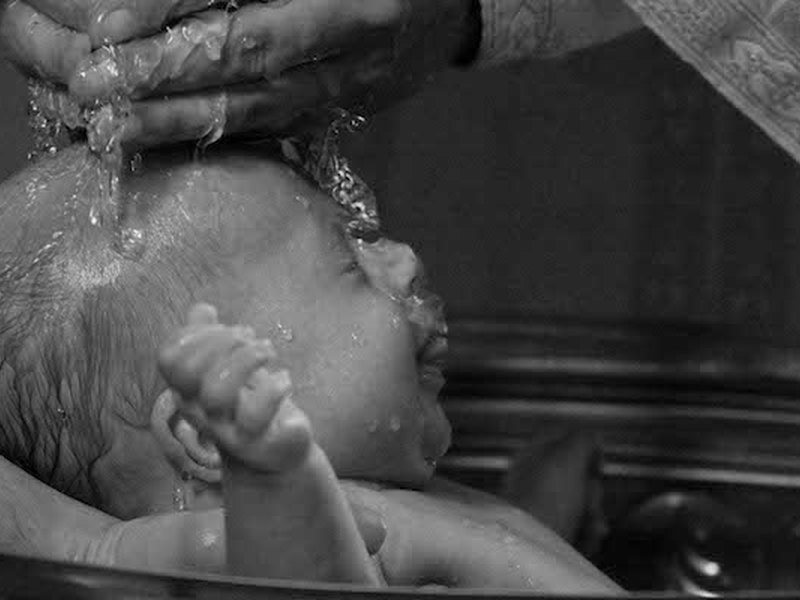
Standing in the narthex at the font, parents joyfully approach with their newborn child. The pastor asks the parents a series of questions that may include their renunciation of the devil and all his works, their faith in God the Father, Son, and Spirit as explained in the Apostles’ Creed,…

by Bill SmithFebruary 17, 2015
christ-presentation-in-temple
Luke

Anna of Asher

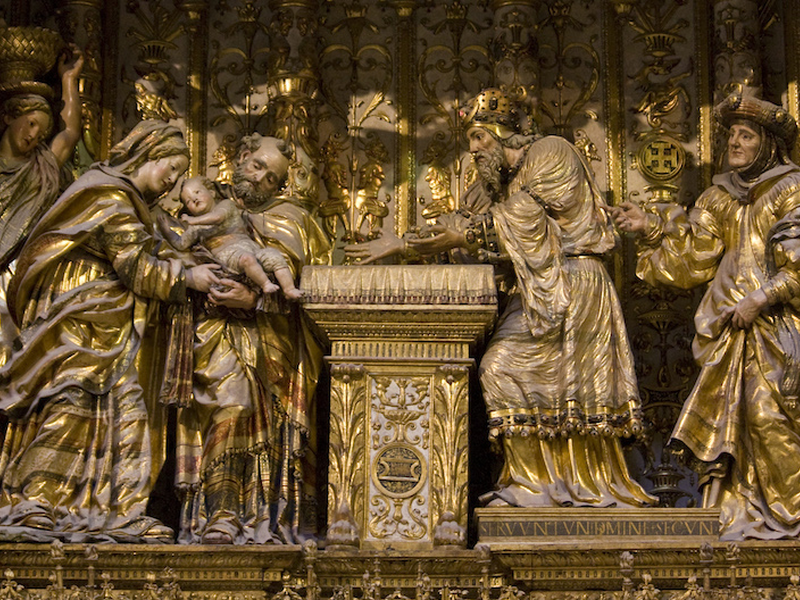
And there was a prophetess, Anna, the daughter of Phanuel, of the tribe of Asher. She was advanced in years, having lived with her husband seven years from when she was a virgin, and then as a widow until she was eighty-four. She did not depart from the temple, with…

by Dave ShawFebruary 12, 2015
emmanuel-phaeton-1bwmfmvybi8-unsplash
Psalms

Psalm 30

Get the Psalm 30 Translation here Psalm 30 is a song for the dedication of "the house." Since it is by David, the house would seem to be his palace in Jerusalem. The psalm has an ABA structure, with the B structure being an exhortation to the saints, and the…

by James B. JordanFebruary 11, 2015
boat-rough-water
Same-Sex Marriage

Love Makes the World Go Round

I once asked a ferryboat captain if steering a ferry was any different than driving, say, a big semi truck. He looked at me like I had just asked whether a bowling ball fell when you dropped it. “It’s completely different,” he said. “On the river, you never stay pointing…

by Christian LeithartFebruary 10, 2015
romeo-juliet
Literature

Where A Man Belongs: Courtship Advice from Shakespeare

The key scene in Shakespeare's Much Ado About Nothing comes just after the first wedding scene when Claudio tosses Hero aside as a "rotten orange." He has been tricked into thinking that Hero is unfaithful, and that is an affront to his honor. He won't put her away quietly. He…

by Peter LeithartFebruary 7, 2015
cloister
History

What You Learned About the Middle Ages Was Wrong

Medieval Christianity is in the news. That’s exciting for me as I have a PhD in medieval theology and I teach Ancient and Medieval Church History at Covenant Seminary. Thus I have a little “skin in the game,” as the saying goes. Earlier this week our President made some comments…

by Timothy LeCroyFebruary 6, 2015

Showing page 160 of 309

See all

Showing page 5 of 43

See all
Philosophy

More Reflections on Postmodernism

Back to reflections on post-modernism: It seems that Freud, not Nietzsche, is the really grandfather of the movement, though, not unexpectedly, some sons and grandsons efface his memory and resist his influence (not all, of course).

October 28, 2003
History

Courtly Love

On courtly love: The basic shift is from the ancient and early medieval view that eros sapped and vitiated virtus to a belief that eros was a condition of the possibility of virtus and valor. This is, as Lewis said, a seismic shift in sensibility, one that we still do…

October 28, 2003

Structure of Romans 1:16ff.

Jouette Bassler’s 1984 article “Divine Impartiality in Romans” ( Novum Testamentum ) present structural arguments for saying that the section beginning in Rom 1:16-18 runs through the middle of chapter 2. This is evident from the repetition of the verb prasso in 1:32 and again in 2:1-3; thus the center…

October 28, 2003
Philosophy

Postmodernism and the ’60s

It’s not at all accidental that postmodernism takes its rise in the mid-1960s. Bloom wrote the first draft of the anxiety of influence in 1967, and revised it over several years before its initial publication in 1973. Derrida’s annus miraibilis was 1967, which saw the publication of Speech and Phenomena…

October 28, 2003
Philosophy

Postmodernism and the ’60s

It’s not at all accidental that postmodernism takes its rise in the mid-1960s. Bloom wrote the first draft of the anxiety of influence in 1967, and revised it over several years before its initial publication in 1973. Derrida’s annus miraibilis was 1967, which saw the publication of Speech and Phenomena…

October 28, 2003
Philosophy

Murder of Father

Turns out that Harold Bloom’s “anxiety of influence” is just another variation on the same set of themes that Derrida is obsessed with — the son’s murder of the father. For Bloom, the son is the “strong poet” who resists the influence of his predecessor/father in order to carve out…

October 28, 2003

Showing page 2176 of 2212

Browse by Category

In Medias Res

Your weekly digest for all things Theopolis.

Donate

Theopolis is nearly 100% donor-supported. Consider joining us on our mission.