Theopolis Logo

Writing

Explore our collection of theological essays, biblical studies, and reflections on faith and culture.

See all
paul-2
Romans

Notes on Scary Stuff in Romans 9

What shall we say then? Is there injustice on God’s part? By no means! For he says to Moses, “I will have mercy on whom I have mercy, and I will have compassion on whom I have compassion.” So then it depends not on human will or exertion, but on…

by Mark HorneFebruary 5, 2015
lunch-counter
American Politics

Covenants of Exclusion

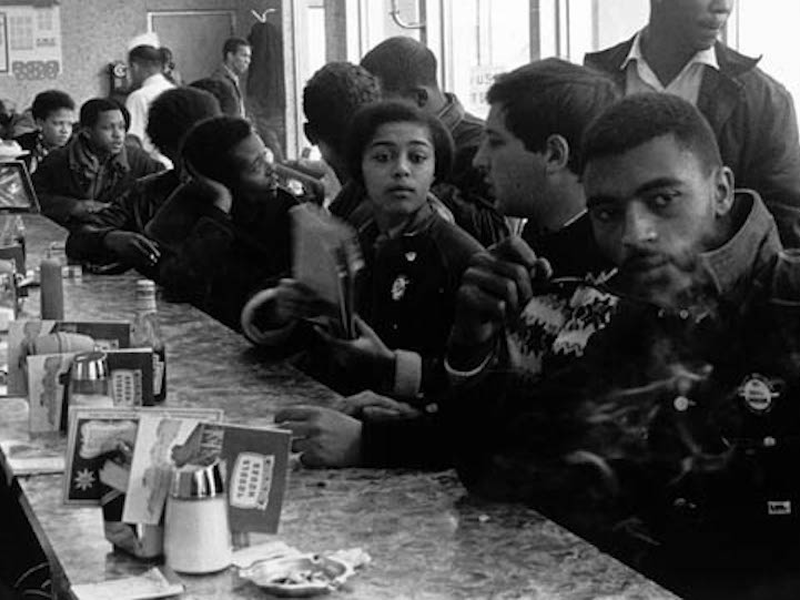
A hundred years ago, William Warley signed a contract to buy a house in Louisville, Kentucky from Charles Buchanan, a white man. Before closing the sale, Warley, who was black, learned that the lot was subject to a city ordinance barring blacks from occupying the premises if most of the…

by Brendan O'DonnellFebruary 3, 2015
shakespeare-2
Literature

The Bard and the Book

I concluded the first essay on this topic by saying that I would introduce three books about Shakespeare and the Bible, but I decided to introduce four instead. The three books become four are: Naseeb Shaheen, Biblical References in Shakespeare’s Plays (London: Associated University Presses, 1999) ; Hannibal Hamlin, The…

by Ralph Allan SmithJanuary 29, 2015
augustine-2
Augustine

Augustine on Pagan Virtue

My children attend a classical Christian school, situated in the independent “free church” evangelical tradition. Over the past few years they have been growing in their acquaintance with the world of Homer, Plato, Virgil, and Livy. They enjoy it, and I envy it. The school is a great school. My…

by Gerald HiestandJanuary 27, 2015
prodigal-son
Atonement

The Prodigal and the Cross

The Prodigal Son parable (Luke 15) has been a favorite of liberal theologians for a couple of centuries. It seems to be a parable designed for liberal sensibilities: An indulgent, accepting Father; forgiveness extended without a cross; a surly older brother who might represent the "conservative" face of religion who…

by Peter LeithartJanuary 22, 2015
sky-from-bridge
Ascension

Underground Man, Ascended Man

“I want now to tell you, gentlemen, whether you care to hear it or not, why I could not even become an insect. I tell you solemnly, that I have many times tried to become an insect. But I was not equal even to that. I swear, gentlemen, that to…

by Richard BledsoeJanuary 20, 2015

Showing page 161 of 309

See all

Showing page 5 of 43

See all

House of Wisdom

1 Chronicles 22 records a lengthy speech from David to his son Solomon. The very setup suggests an analogy with the book of Proverbs, in which Solomon gives instructions to his son the prince. For the Chronicler, Solomon learned to teach wisdom by receiving it from David. That formal hint…

December 1, 2016

Sources of Apocalyptic

I n his 1892 Lectures on the Apocalypse (29–30), William Milligan argues that “the symbolism of the Revelation is wholly and exclusively Jewish.” He illustrates: Even “the crown of life” in chap. i. 10 is not the wreath of the victor in the Grecian games, but the Hebrew crown of…

December 1, 2016

Limits of Pen and Tongue

S hakespeare's Sonnet 103 laments the limits of language to capture the thing it describes. “Look in your glass,” the poet says, and you will see a face that overwhelms “my blunt invention quite.” The reality dulls the poet’s lines and disgraces him. And it would be a sin to…

November 30, 2016

Church With Soul of America?

The paragraphs below are taken, with slight changes, from a column I wrote at Firstthings.com in July 2015. The questions are even more pressing since Trump's election. I mmigration has always roiled under the surface of American politics. It’s the price of being America, a land subdued by outcasts and…

November 30, 2016

A House by and for Nations

A fter David sinfully takes a census of Israel (1 Chronicles 21), the threshing site where he builds the altar that arrests the plague becomes the temple site (1 Chronicles 22:1). David begins preparations for the temple. First, he gathers the “strangers” (Heb. ger ), non-Israelite residents of the land…

November 29, 2016

Love Well What You Leave

S hakespeare's Sonnet 73 embodies the excessiveness of poetry. It’s possible to summarize the poem in a brief statement: “I’m getting old. I'll die. Love me while you can.” Why so belabor the point? One effect of belaboring through fourteen lines of iambic pentameter is to link aging with cosmic…

November 29, 2016

Showing page 228 of 2212

Browse by Category

In Medias Res

Your weekly digest for all things Theopolis.

Donate

Theopolis is nearly 100% donor-supported. Consider joining us on our mission.