Theopolis Logo

Writing

Explore our collection of theological essays, biblical studies, and reflections on faith and culture.

See all
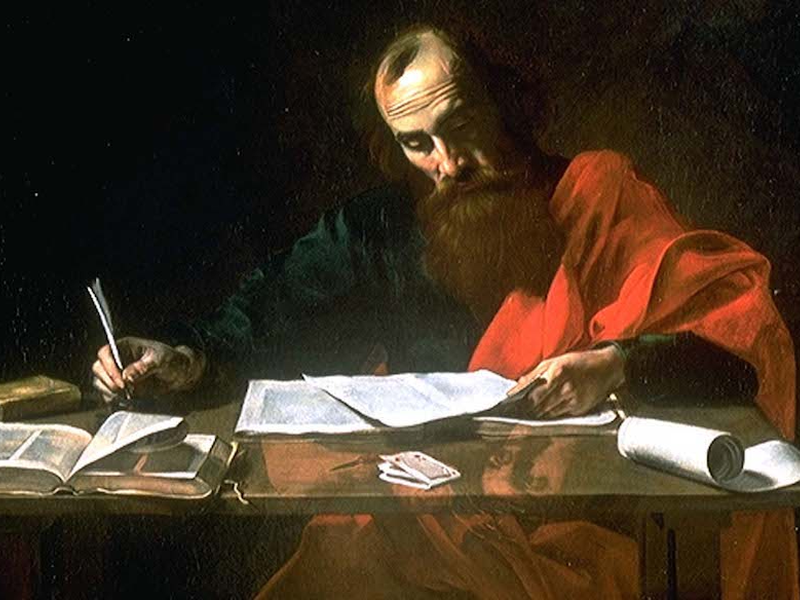
paul-2
Romans

Notes on Scary Stuff in Romans 9

What shall we say then? Is there injustice on God’s part? By no means! For he says to Moses, “I will have mercy on whom I have mercy, and I will have compassion on whom I have compassion.” So then it depends not on human will or exertion, but on…

by Mark HorneFebruary 5, 2015

lunch-counter
American Politics

Covenants of Exclusion

A hundred years ago, William Warley signed a contract to buy a house in Louisville, Kentucky from Charles Buchanan, a white man. Before closing the sale, Warley, who was black, learned that the lot was subject to a city ordinance barring blacks from occupying the premises if most of the…

by Brendan O'DonnellFebruary 3, 2015
shakespeare-2
Literature

The Bard and the Book

I concluded the first essay on this topic by saying that I would introduce three books about Shakespeare and the Bible, but I decided to introduce four instead. The three books become four are: Naseeb Shaheen, Biblical References in Shakespeare’s Plays (London: Associated University Presses, 1999) ; Hannibal Hamlin, The…

by Ralph Allan SmithJanuary 29, 2015
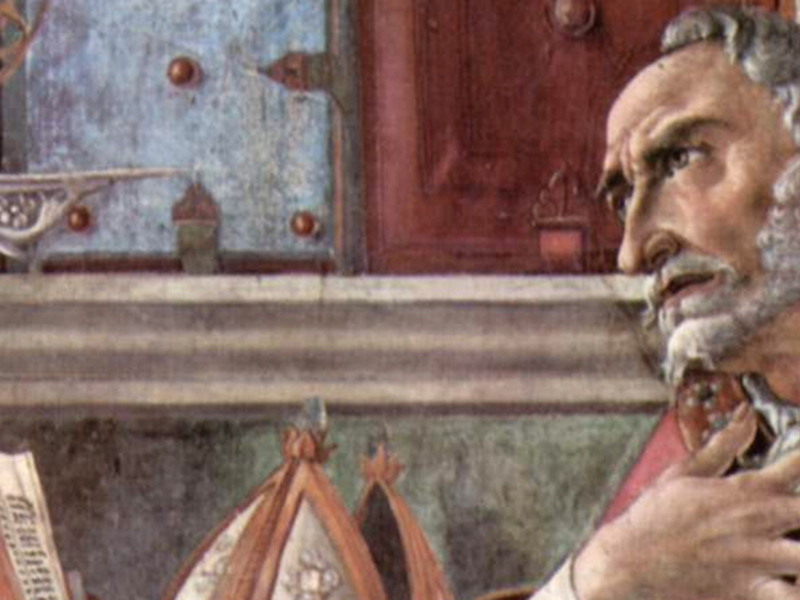
augustine-2
Augustine

Augustine on Pagan Virtue

My children attend a classical Christian school, situated in the independent “free church” evangelical tradition. Over the past few years they have been growing in their acquaintance with the world of Homer, Plato, Virgil, and Livy. They enjoy it, and I envy it. The school is a great school. My…

by Gerald HiestandJanuary 27, 2015
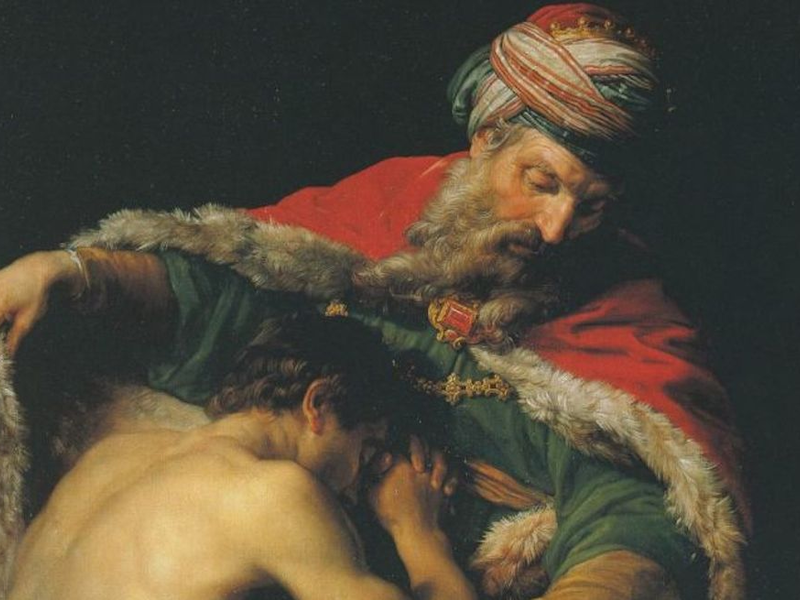
prodigal-son
Atonement

The Prodigal and the Cross

The Prodigal Son parable (Luke 15) has been a favorite of liberal theologians for a couple of centuries. It seems to be a parable designed for liberal sensibilities: An indulgent, accepting Father; forgiveness extended without a cross; a surly older brother who might represent the "conservative" face of religion who…

by Peter LeithartJanuary 22, 2015
sky-from-bridge
Ascension

Underground Man, Ascended Man

“I want now to tell you, gentlemen, whether you care to hear it or not, why I could not even become an insect. I tell you solemnly, that I have many times tried to become an insect. But I was not equal even to that. I swear, gentlemen, that to…

by Richard BledsoeJanuary 20, 2015

Showing page 161 of 309

See all

Showing page 5 of 43

See all

Easy Sainthood

Rowan Williams concludes a brief summary of the patristic debates about the double/single will of Jesus by saying “we are encouraged to see Jesus as fully aware of the general possibilities of human nature, including the possibilities of betrayal, cowardice, and self-gratification, aware of those as part of his composition…

May 17, 2016

Ministering Sacraments by Faith

For many Christians, sacraments are locked in a winner-take-all battle with faith. Are we reconciled to God by faith or by baptism? Do we feed on Christ by believing or by eating bread and drinking wine? When we place too much emphasis on sacraments, many believe, we run the risk…

May 17, 2016

Why Do We Want Houses?

Peter King begins his Private Dwelling by posing what he describes as simple, silly, obvious questions about housing: What is its use? Who needs it? What is housing for? Early on, he points to the “iconography” implied by our language about housing: “There is an iconography attached to housing that…

May 16, 2016

Sensitivity to Intrinsic Rightness

Charles Taylor's The Language Animal is a defense of HHH against HLC. That is, he thinks the linguistic perspective developed by Hamann, Herder, and Humboldt is superior to the rationalist and empiricist tradition of Hobbes, Locke, and Condillac. HLC “tried to understand language within the confines of the modern representational…

May 16, 2016

A Community of the Fearless

Monks fled. They did not flee from community or contact with others. They fled in order to become more deeply engaged with others in a more radical form of community. Rowan Williams writes ( Silence and Honey Cakes ), “What is learned in the desert is clearly not some individual…

May 16, 2016

Benjamin and Art's Disenchantment

Walter Benjamin had no totalizing philosophical system. He was an essayist, admits Ranier Rochlitz ( The Disenchantment of Art ). Rochlitz doesn't use the term to demean, however. Benjamin “is not an essayist in the manner of Montaigne; the scientific imperative is not lacking in his essays. He conducts concrete…

May 13, 2016

Showing page 289 of 2212

Browse by Category

In Medias Res

Your weekly digest for all things Theopolis.

Donate

Theopolis is nearly 100% donor-supported. Consider joining us on our mission.