Theopolis Logo

Writing

Explore our collection of theological essays, biblical studies, and reflections on faith and culture.

See all
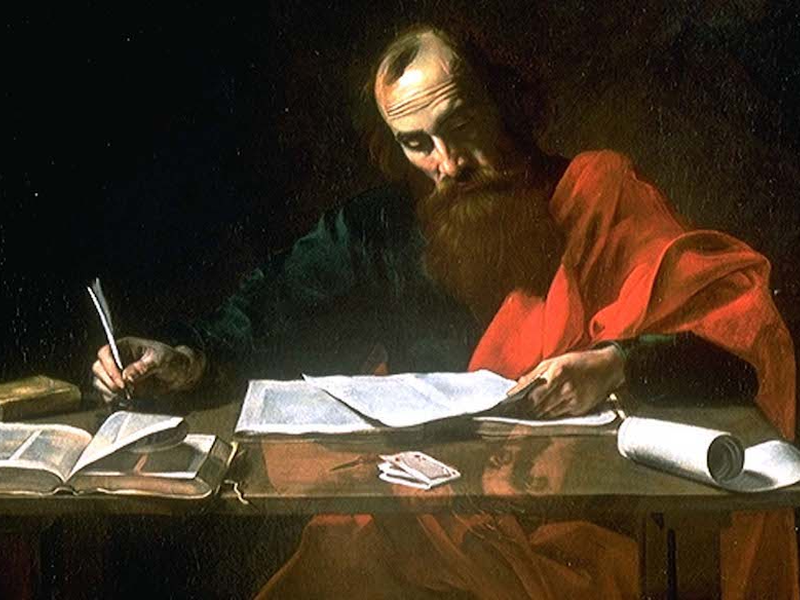
paul-2
Romans

Notes on Scary Stuff in Romans 9

What shall we say then? Is there injustice on God’s part? By no means! For he says to Moses, “I will have mercy on whom I have mercy, and I will have compassion on whom I have compassion.” So then it depends not on human will or exertion, but on…

by Mark HorneFebruary 5, 2015

lunch-counter
American Politics

Covenants of Exclusion

A hundred years ago, William Warley signed a contract to buy a house in Louisville, Kentucky from Charles Buchanan, a white man. Before closing the sale, Warley, who was black, learned that the lot was subject to a city ordinance barring blacks from occupying the premises if most of the…

by Brendan O'DonnellFebruary 3, 2015
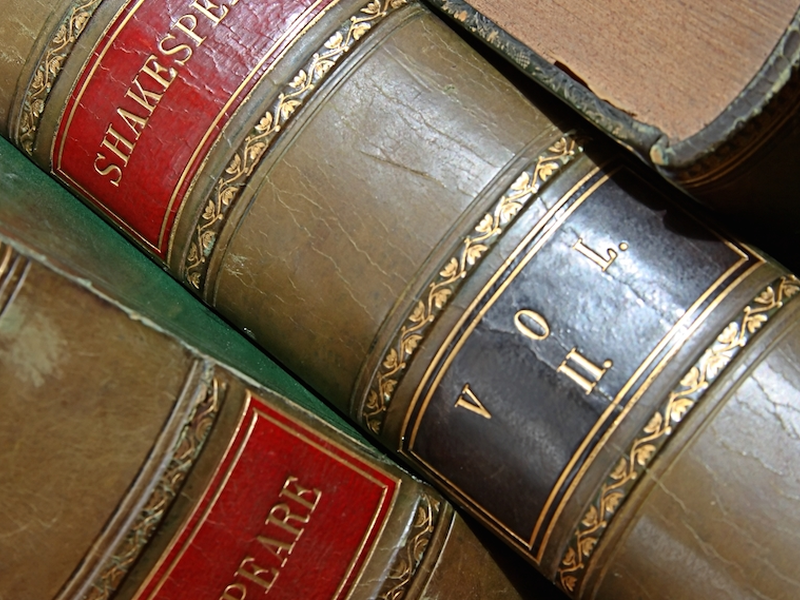
shakespeare-2
Literature

The Bard and the Book

I concluded the first essay on this topic by saying that I would introduce three books about Shakespeare and the Bible, but I decided to introduce four instead. The three books become four are: Naseeb Shaheen, Biblical References in Shakespeare’s Plays (London: Associated University Presses, 1999) ; Hannibal Hamlin, The…

by Ralph Allan SmithJanuary 29, 2015
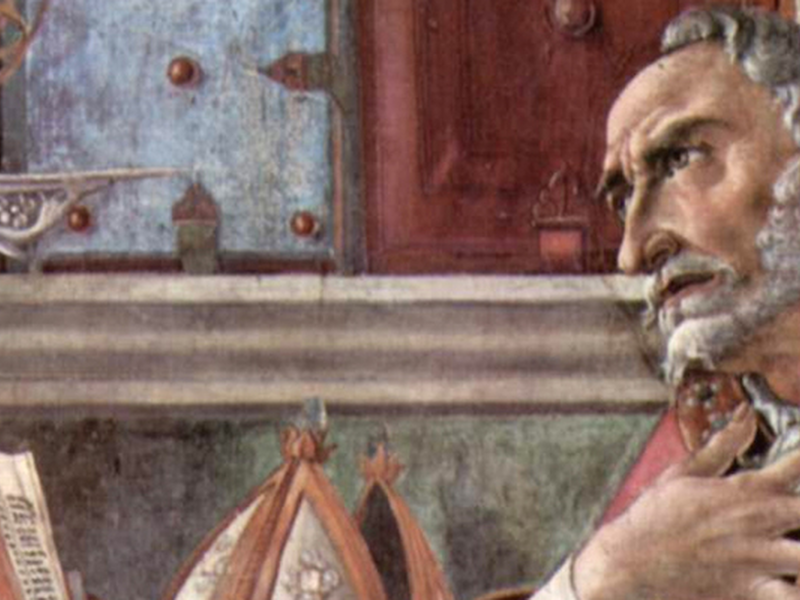
augustine-2
Augustine

Augustine on Pagan Virtue

My children attend a classical Christian school, situated in the independent “free church” evangelical tradition. Over the past few years they have been growing in their acquaintance with the world of Homer, Plato, Virgil, and Livy. They enjoy it, and I envy it. The school is a great school. My…

by Gerald HiestandJanuary 27, 2015
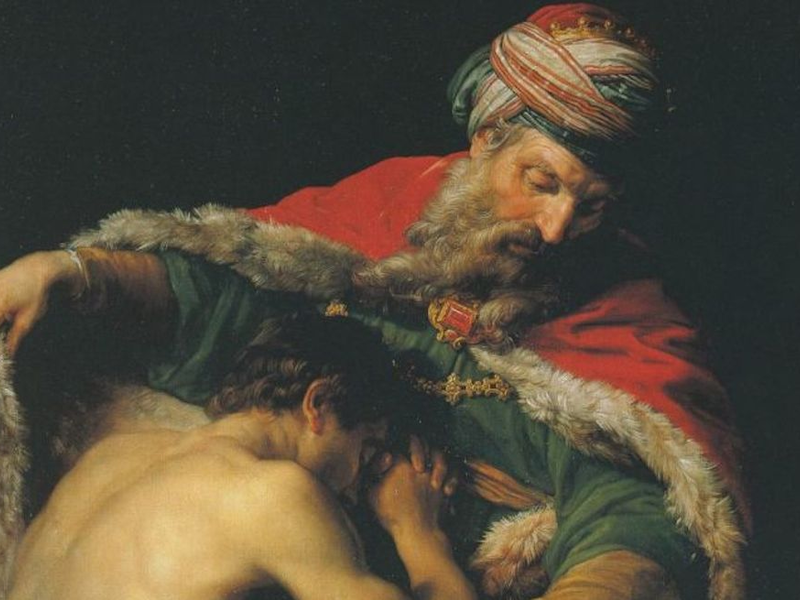
prodigal-son
Atonement

The Prodigal and the Cross

The Prodigal Son parable (Luke 15) has been a favorite of liberal theologians for a couple of centuries. It seems to be a parable designed for liberal sensibilities: An indulgent, accepting Father; forgiveness extended without a cross; a surly older brother who might represent the "conservative" face of religion who…

by Peter LeithartJanuary 22, 2015
sky-from-bridge
Ascension

Underground Man, Ascended Man

“I want now to tell you, gentlemen, whether you care to hear it or not, why I could not even become an insect. I tell you solemnly, that I have many times tried to become an insect. But I was not equal even to that. I swear, gentlemen, that to…

by Richard BledsoeJanuary 20, 2015

Showing page 161 of 309

See all

Showing page 5 of 43

See all

Monster to Music

In Rune 40 of the Finnish epic, Kalevala , the hero, Wainamoinen, is sailing with his friends to Pohjola, where he intends to recover the Sampo, a talisman of good luck and extraordinary, mysterious power. No one today quite knows what the Sampo was, but many of the episodes of…

April 28, 2015

Chaucer and the Greeks

Chaucer, like Shakespeare after him, set some of his poems in ancient Greece. The “Knight's Tale” takes place in Athens, ruled by the same “Duke” Theseus who rules Athens in Midsummer Nights Dream . Troilus and Cresyde is a Trojan love tragedy. Neither of these works, however, shows much deep…

April 28, 2015

Greece in the English Renaissance

According to C. S. Lewis ( English Literature in the Sixteenth Century , 27-28), English humanists were most interested in style, but the style was mostly Latin: “Greek was given abundance of ‘mouth honor,’ but only the minor Greek authors (Plutarch, Heliodrous, Chilles Tatius, the Anthology) were really relished. Greek…

April 28, 2015

Make Love and War: The Knight's Tale

Emily, the lady-love of Chaucer's “Knight's Tale,” the first of the Canterbury Tales, appears in a garden, and the poet describes her as if where were part of the garden. She is Eve in Eden. But this is no Edenic world. The men who see her are locked out of…

April 28, 2015

Universal Tragedy

Tragic stories are fall stories. Whether through moral wrong or through some inadvertent hamartia , the tragic hero falls from a high place. Others are engulfed in the tragedy to one extent or another, but not everyone. Those who watch can experience the catharsis of pity and fear by watching…

April 28, 2015

Invention of Allegory

C S. Lewis describes the formation of medieval allegorism in his classic Allegory of Love . He begins by distinguishing between an allegorical and a sacramental or symbolic turn of mind. Allegory begins, he says, with “an immaterial fact, such as the passions which you actually experience” and finds ways…

April 27, 2015

Showing page 434 of 2212

Browse by Category

In Medias Res

Your weekly digest for all things Theopolis.

Donate

Theopolis is nearly 100% donor-supported. Consider joining us on our mission.