Theopolis Logo

Writing

Explore our collection of theological essays, biblical studies, and reflections on faith and culture.

See all
31-03-0213
Hermeneutics

Apocalyptic Eyes

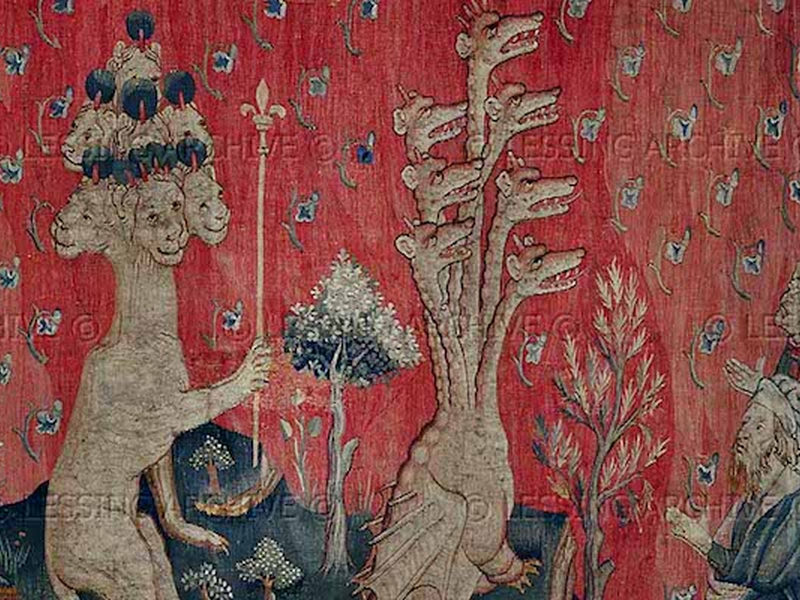
Flying scrolls. Red horses. Beasts coming out of the sea. Winged women. The list goes on. Apocalyptic literature in the Bible is like a cross between science fiction and Marvel comics. And the Bible has a fair bit of this sort of thing. Daniel sees visions in Babylon, Zechariah sees…

by Toby SumpterNovember 4, 2014

bhm-skyline-2
Theopolis News

New Name, New Look

Trinity House Institute has taken a new name, the Theopolis Institute. This striking new name expresses our unique vision and mission and captures the unified purpose behind all our specific programs and activities. We still have Bible, liturgy, and culture in our tagline. We still offer the same courses on…

by TheopolisNovember 4, 2014
istock_000012860926small
Atonement

Not Fearing the Devil

Adam Kotsko offers a socio-political variation on the Christus Victor atonement theory in his 2010 study, The Politics of Redemption: The Social Logic of Salvation . He does this by explaining "the devil" in terms of the Hegelian concept of "objective spirit," Geist . As Kotsko puts it, Geist "refers…

by Peter LeithartOctober 13, 2014
jez-timms-8muutamcwu4-unsplash
Leviticus

The Meaning of Sacrifice

Two factors keep Nahtali Meshel from discussing the meaning of sacrifice until late in his The "Grammar" of Sacrifice . The first has to do with the texts he draws from: "P says little about the meaning of its rituals" (174). The other has to do with the grammatical theory…

by Peter LeithartOctober 8, 2014
jez-timms-8muutamcwu4-unsplash
Leviticus

Praxemics

Chapter 5 of Naphtali Meshel's The "Grammar" of Sacrifice focuses on "praxemics," the physical actions of sacrificial ritual. Praxemes are constituted by six elements: an "atomact," an elementary physical act or gesture; an actor; an object that is acted up; a target for the action and often for the object…

by Peter LeithartOctober 6, 2014
markus-winkler-aid-xyrtlec-unsplash
Leviticus

Jugation and Hierarchy

Two chapters of Naphtali Meshel’s The “Grammar” of Sacrifice cover what he calls “jugation” and “hierarchies.” The first involves the addition of other materials to an animal offering. Jugates include wine, cereal, and oil that are added to the animals (zoemes) that are offered in sacrifice. Some jugates are coordinated…

by Peter LeithartOctober 1, 2014

Showing page 167 of 309

See all

Showing page 5 of 43

See all

Battle of the Soul

Prudentius’s Psychomachia (5 th century AD) is one of the first and one of the most influential of medieval allegories. It is the source of the battle of Virtue and Vice that was one of the key themes of medieval allegory, which carries right into the Elizabethan allegory of Spenser's…

April 27, 2015
johann_gottfried_von_herder_by_john_sartain
Nationalism

Nations: Grown or Imagined?

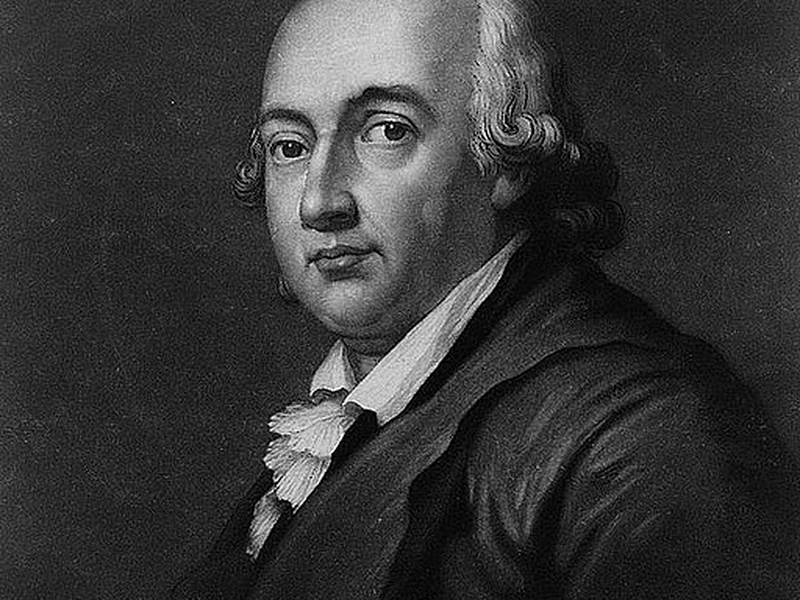
R omantic thinkers like Johann Gottfried Herder, developed an organic conception of nationhood. For Herder, a nation is an extended family, and so a perfect nation, the most natural state, is “one nation, an extended family with one national character." (I rely on this essay by Richard White.) People have…

April 27, 2015

Imagining Finland

Nations are “imagined communities,” and one of the ways nations imagine themselves is to imagine themselves as very, very old. The Finnish epic, the Kalevala , serves as an illustration of the nexus between ancient literature and national identity. Anderson writes ( Imagined Communities , 74-5), “In the eighteenth century…

April 27, 2015

The Un-Dante

In a contribution to Petrarch: A Critical Guide to the Complete Works Teodolinda Barolini contrasts the love poetry of Petrarch's Rerum vulgarium fragmenta (also known as the Canzoniere ) with that of Dante. Petrarch continues the courtly paradigm. His interest is in the shifting psychology and drama of the male…

April 27, 2015

Deflating Humanism

In his E nglish Literature in the Sixteenth Century , CS Lewis makes two deflationary comments about the effects of Renaissance humanism. First, “The ‘barbarous’ books [of medieval Latin] have survived in the only sense that really matters: they are used as their authors meant them to be used. It…

April 24, 2015

Mystic Ark

Conrad Rudolph's The Mystic Ark is the product of impressive scholarship. Its focus is on the image of the mystic ark, a complex cosmic portrait showing “the Majesty” (looking like Jesus) enthroned, flanked by angels, holding a large disk, inscribed with a square turned sideways like a diamond. Inside the…

April 24, 2015

Showing page 435 of 2212

Browse by Category

In Medias Res

Your weekly digest for all things Theopolis.

Donate

Theopolis is nearly 100% donor-supported. Consider joining us on our mission.