Theopolis Logo

Writing

Explore our collection of theological essays, biblical studies, and reflections on faith and culture.

See all
abortion
Abortion

Letters on Abortion, (Part 1)

What is below is fairly self-explanatory. This is an exchange I had with a local liberal clergyman on the subject of abortion. The circumstances of the debate are included in the text itself. I initially e-mailed this out to a list of clergy in our city after a local (and…

by Richard BledsoeNovember 17, 2015
wall-2
Ezra

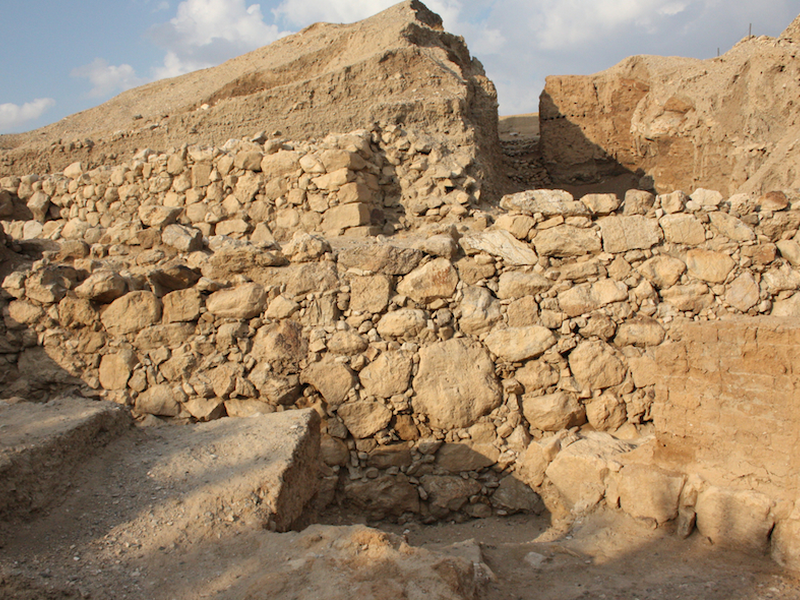
The Perfumed Butler and the Wisdom of Civil Obedience

The seemingly humdrum parts of the Bible often hide overlooked wisdom. Take, for example, the books of Ezra and Nehemiah. Their stories aren't exactly the most gripping or memorable. They are far less concrete than, say, the story of the Exodus. No one in Ezra is stricken blind or devoured…

by Christian LeithartNovember 10, 2015
sparkler
Happiness

"Happy! Happy! Happy!" Authentic Happiness and Its Knock-Offs

For most of the past century, philosophical perspectives on life in the western world have been overtly grim and pessimistic. The optimism of the Enlightenment, generated by confidence in the scientific method and the potential of an increasingly civilized humanity to redress the evils of the world, was shattered by…

by Bill DeJongNovember 5, 2015
aaron-burden-1ebsmyrau-s-unsplash
Hermeneutics

How Does a Chiasm Mean?

Chiastic structures are found all over the Bible, and in recent decades commentators have become more adept at spotting them. But identifying these literary structures is only part of the challenge. There remains the challenge of understanding what they mean. Part of the answer is found in the recognition that…

by Steve JefferyNovember 3, 2015
last-supper
Eucharist

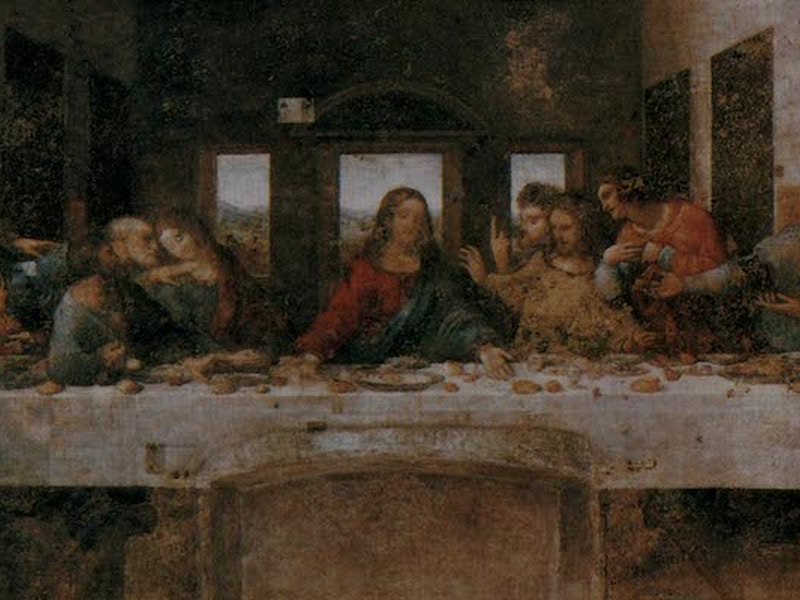
How To Change the World, (Part 2)

Part 1 can be found HERE . Clearly, more than just getting worship right is important in changing the world, but since worship is the central act of God’s people, performed on the first day of the week at the center of the world before the very face of God,…

by James B. JordanOctober 29, 2015
solomonsidolatry
Biblical Theology

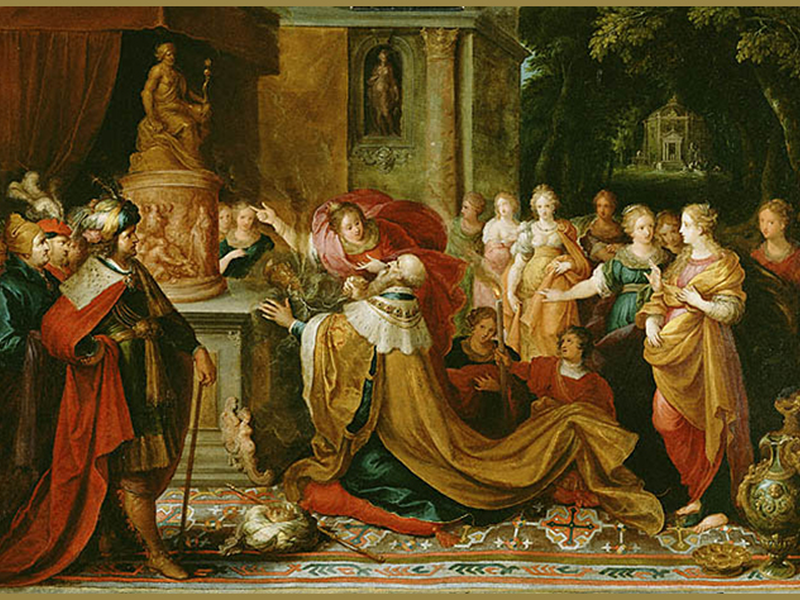
Big Love: A History of Stolen Fruit

“Blessed is the womb that bore you, and the breasts at which you nursed.” ( Luke 11:27 ) Arguing for Christian morality in a secular society is difficult. A culture which accepts evolutionary dogma has no intellectual place — or inherent desire — for absolute morality, since it believes morality…

by Mike BullOctober 27, 2015

Showing page 141 of 309

See all

Showing page 5 of 43

See all

Why Now?

Jesus prayed that the church's unity would reflect the unity of the Father and Son. Paul urged the Ephesians to cultivate the virtues of peace that would express the sevenfold unity of the church (Ephesians 4). That demand is a perennial one. But we've been divided for a long time.…

March 12, 2015

Fragile Fruitfulness

Israel is a vine, transplanted from Egypt (Psalm 80; Isaiah 5). She exists to produce wine that gladdens the hearts of men. Israel is the Dionysian people. Ezekiel brings out another dimension of the vine image: “Son of man, how is the wood of the vine better than any wood…

March 12, 2015

Judgment to the Corners

The oracle of judgment in Ezekiel 14:12-23 is structured as a fourfold judgment: sword, famine, beasts, plague (v. 21). The descriptions of judgment are laid out in four paragraphs that use repetitive, stereotyped language. Throughout, Yahweh says that even the intercession of Noah, Daniel, and Job could not rescue Judah…

March 12, 2015
Fairy Tales

The Political Economy of Fairy Tales

In a TLS review of several recent books on fairy tales, Fracesca Wade points to the political context and economic setting of early folk and fairy tale collections. Inspired by Herder, the Grimms, she observes, intended to recover Germanitas by study of natural German poetry: “Although the brothers drew widely…

March 12, 2015

Remembering the Present

In his Deja Vu and the End of History , Italian philosopher Paolo Virno explores the phenomenology of memory, especially in its relation to philosophies of history. The deja vu of the title isn't a metaphor; following Henri Bergson, Virno argues that it represents “the untrammelled extension of memory's jurisdiction,…

March 11, 2015

Potential, Act, and Violence

Paolo Virno ( Deja Vu and the End of History ) observes that potential and act occur simultaneously. Take language: “The language faculty irrupts into becoming in concomitance with the phrase that I am speaking. It appears precisely now, as I speak, neither before nor afterwards: but, note, right now…

March 11, 2015

Showing page 453 of 2212

Browse by Category

In Medias Res

Your weekly digest for all things Theopolis.

Donate

Theopolis is nearly 100% donor-supported. Consider joining us on our mission.