Theopolis Logo

Writing

Explore our collection of theological essays, biblical studies, and reflections on faith and culture.

See all
screen-shot-2023-04-04-at-5-01-54-pm
Biblical Chronology

A Summary of Old Testament Chronology

This newsletter summarizes everything that has been written and argued in Biblical Chronology to date. The Bible is filled with chronological information. Some would dismiss the idea that this chronological information can and should be systematized. We have to say, however, that if the scattered information about the tri-unity of…

by James B. JordanAugust 24, 1992

thomas-jarrand-k9gs65i36aq-unsplash
Leviticus

The Lamb of God, (Part 1)

At the Biblical Horizons Conference on Worship and Sacrifice , held 17-21 August, 1992, we explored the meaning of the five major sacrifices in considerable depth. 1 During the last, the centrality of the male lamb (the ram) in the sacrificial system was briefly discussed. I want in this essay…

by James B. JordanJuly 24, 1992
screen-shot-2022-05-12-at-12-07-23-pm
Biblical Chronology

Chronologies and Kings, Part 13: The End of the Kingdom of Judah

As we saw last time, Uzziah became king of Judah in the 27th year of Jeroboam II, the year A.M. 3204. He reigned for 52 years. He was basically a good and devout king, but toward the end of his life he recapitulated the fall of Adam by trying to…

by James B. JordanJuly 24, 1992
whichbooksbelongintheot
Biblical Chronology

Chronologies and Kings, Part 12: Wars and Rumors of Wars

We have now arrived at the reign of Jeroboam II. When Jeroboam II came to the throne of Northern Israel, Amaziah was reigning in Judah. After the death of Amaziah, there was an interregnum of eleven years, during which Judah was governed by Israel. During those years, the son of…

by James B. JordanJune 24, 1992
debby-hudson-qa74yh6-xlc-unsplash
Biblical Horizons

A Letter on Paedocommunion

Several years ago I wrote an essay, “Theses on Paedocommunion,” in which I argued that allowing all baptized and non-excommunicated persons to the table of the Lord was Biblical and desirable. (A copy of this essay is available for a donation from Biblical Horizons .) During the past several years…

by James B. JordanJune 24, 1992
david-weber-fwuo_zluhnw-unsplash
Culture

Liturgy and the Counter-Cultural Church

The question of whether the Church stands “against” culture, is “of” or “above” culture, or seeks to “transform” culture cannot be answered in abstraction from a particular cultural context. To be sure, in many ways the Church’s message and relation to the world cannot change; the Church must, in season…

by Peter LeithartJune 17, 1992

Showing page 289 of 309

See all

Showing page 5 of 43

See all

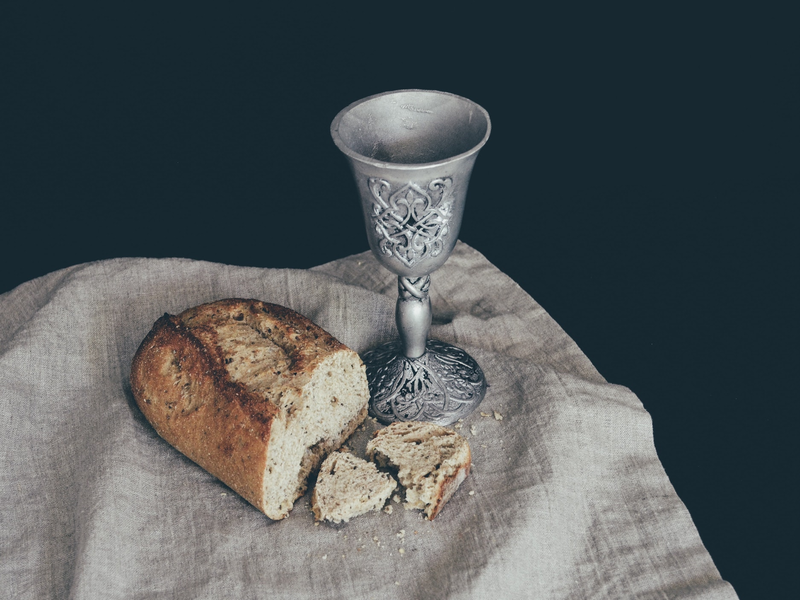
Anointed Bread

Leviticus is the oilest book of the Bible. The Hebrew shemen is used 42 times (6 x 7); the closest competitor is Numbers, with 34 uses. The uses of shemen are clustered. Leviticus 2 uses the word 9 times, all with reference to the preparation of the tribute offering (…

March 25, 2019
egptian-art

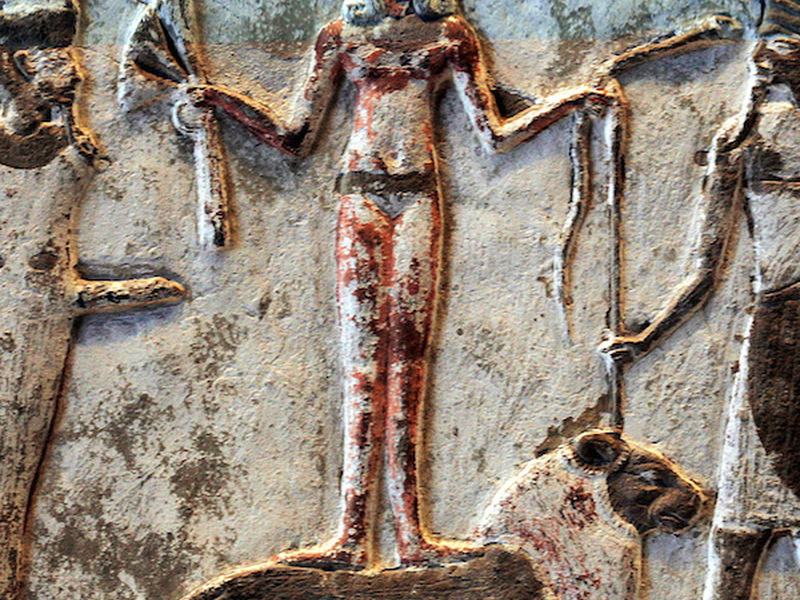
Broken Noses

Why do so many Egyptian statues have broken noses? Julia Wolkoff summarizes the answer of Brooklyn Museum curator Edward Bleiberg. Noses protrude, and so are more apt to be knocked off accidentally, but the pattern is too consistent to be accident. Erosion could account for some, but not all. Bleiberg…

March 20, 2019
13714bedda625c2ec1816f0890ed72f4-snow-storms-image-photography
Ecclesiology

Ecclesial Ethics

Some snippets from Philip Turner's Christian Ethics and the Church . The premise of Turner's book is well summarized by a passage he quotes from Sabina Lovibond's Ethical Formation : "The ethical, let us say, pertains to what people learn to value through immersion in a community acquainted with ideas…

March 13, 2019

Nose to Nose

Levitical offerings send a "soothing aroma" ( reyach nichoach ) to Yahweh. Israel needs to produce good smells because her sin is noxious to Yahweh. When Israel rebels, His "nose burns." By slaughtering a substitute animal and turing it to smoke, Israel soothes Yahweh's hot nose. But that can't be…

March 11, 2019
Pneumatology

Reading in the Spirit

“Spiritual reading” is usually associated with patristic, monastic, and medieval modes of reading. It's fruitful, however, to shift the focus and ask what the Spirit has to do with our reading. The Spirit is the enlivening breath of God, the water of God who makes us into a fruitful garden.…

March 6, 2019
capitol-dc
Liberalism

Liberalism and Ecclesia

Liberalism is "in origin primarily a refusal of ecclesial power." So write John Milbank and Adrian Pabst ( Politics of Virtue , 31). In refusing ecclesial power, early modern political theorists renounced the arrangement of Latin Christendom. The "first polity knowing no bounds and truly based upon the rule of…

March 4, 2019

Showing page 46 of 2212

Browse by Category

In Medias Res

Your weekly digest for all things Theopolis.

Donate

Theopolis is nearly 100% donor-supported. Consider joining us on our mission.