Theopolis News
Constantine the Pious
Trinity House President Peter Leithart will deliver a lecture on "Constantine the Pious" at Oregon State University, Wednesday, October 30, at 7:00 PM.
by Peter LeithartOctober 29, 2013
Explore our collection of theological essays, biblical studies, and reflections on faith and culture.
Trinity House President Peter Leithart will deliver a lecture on "Constantine the Pious" at Oregon State University, Wednesday, October 30, at 7:00 PM.

In his rich study, We Have Never Been Modern (Harvard 1993), Bruno Latour describes modernity in terms of a dual process of “purification” and “hybridization.” Purification involves the clean construction of a nature (and science) separated off from society and the self, while hybridization involves mixtures of nature and culture.…

In James K.A. Smith’s excellent book, Introducing Radical Orthodoxy: Mapping a Post-secular Theology , he explains recent developments in theology and philosophy among mostly post-liberal (some Catholic) theologians. As with everything Dr. Smith writes, his prose is accessible, and written with clarity and precision as he describes the contribution made…

This is the last of a three-part series. 1:14-19 – The Lights in the Firmament The fourth day is the first day where God sets out His mediators and rulers. In the celestial bodies, God sets out His mediators and rulers in the same single class of created beings. We…
Trinity House President Peter Leithart will be in Chicago this weekend lecturing on Revelation. Sign up here .
Only two more weeks to register for the Trinity House Advent class on the book of Genesis. Register before the late fees kick in!
Showing page 185 of 309
Showing page 5 of 43
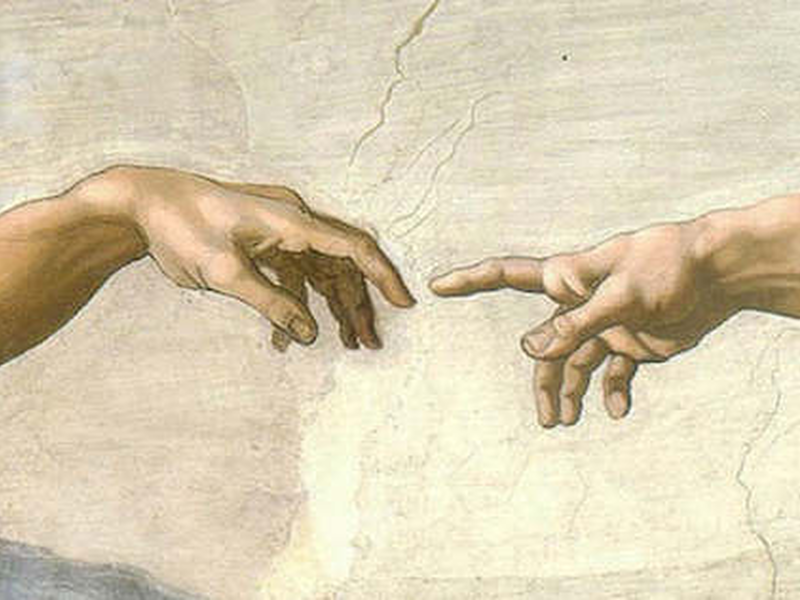
God rests from his labor because He has completed it ( kalah , used in Genesis 2:1-2). He rests because there’s no more to do. Yahweh’s rest is satisfaction in work done, work that He pronounces “very good.” The rest God enters isn’t simply cessation, but satisfaction, happiness, completion. Reformed…
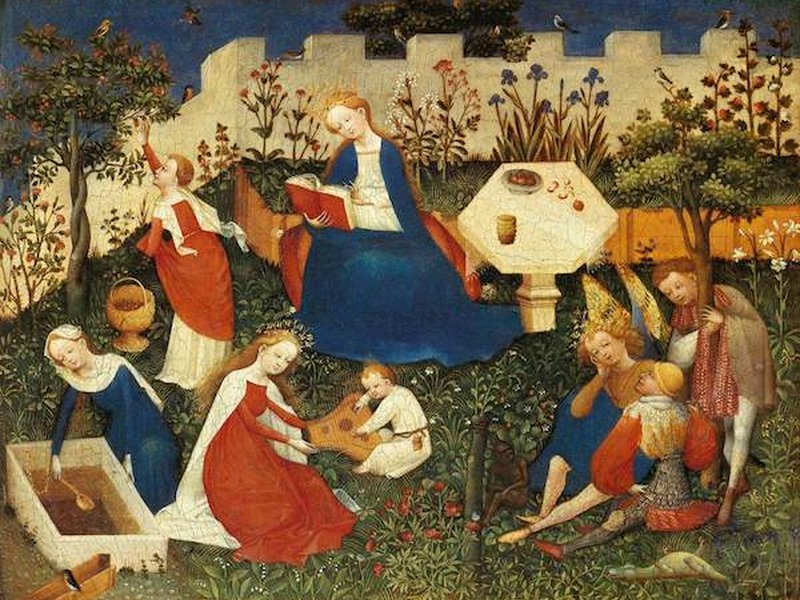
Andrew Kuiper offers a superb, exhilarating summary of Sergei Bulgakov’s Philosophy of Economy . Kuiper begins by summarizing Bulgakov’s case against “economism,” the assumption shared by free marketeers and Marxists that human beings are motivated above all by economic drives. For both, man is homo economicus . Bulgakov had read…

The description of the rite of the ascension offering for herd-animals (Leviticus 1:3-9) includes twelve verbs that describe distinct actions. Verse 3 uses the verb qarav (come near; bring near in hiphil) twice, but these two uses describe the same action, namely, bringing an animal near to the tent for…
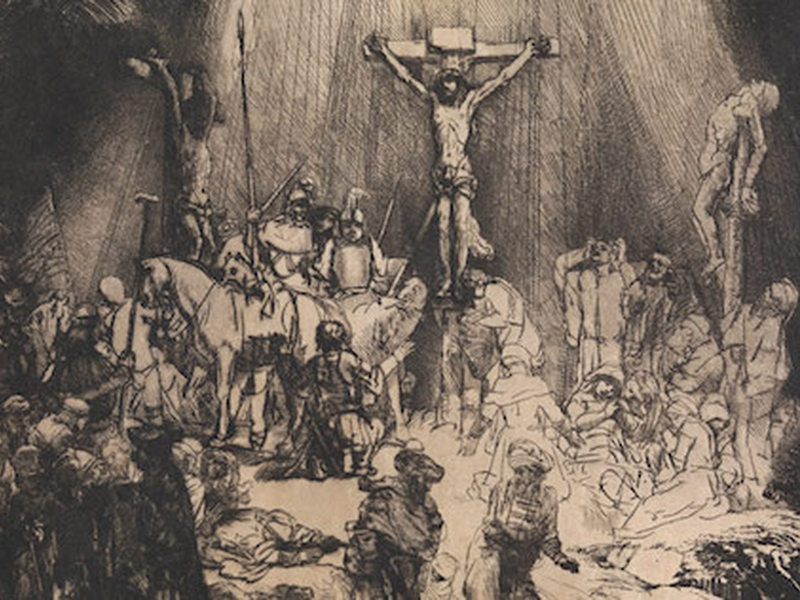
Terry Eagleton's sharp critique of Rene Girard ( Radical Sacrifice , 54-58) is worth a look, especially for those (like me) who appreciate Girard. For starters, Eagleton points to the discrepancy between Girard and "the clear endorsement of sacrifice to be found in Hebrews." In fact, Girard "issues a stern…
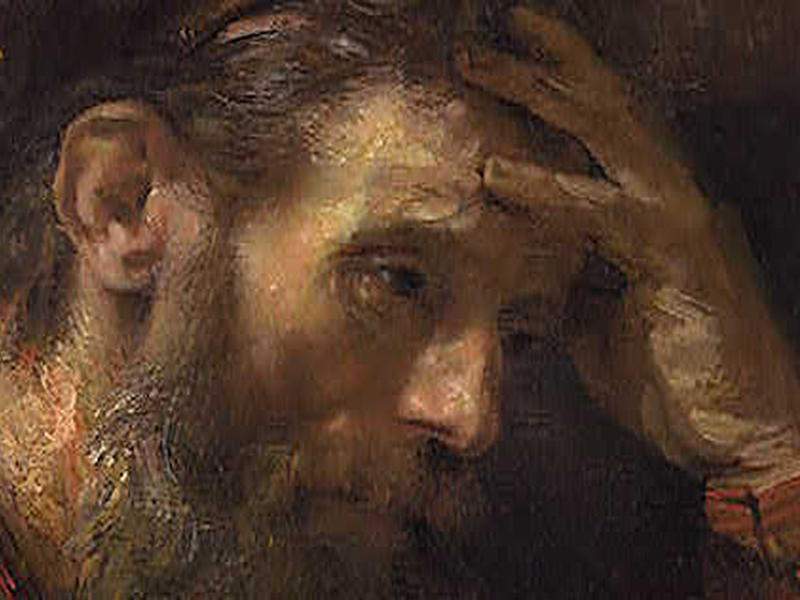
My recommendation to theologians: Be un-professional. That, I suspect, requires some clarification. I don’t mean, “Be sloppy” or “Be rude” or “Be vulgar.” I mean that theologians must resist the deadening pressures of professionalization. Jeff Schmidt’s Disciplined Minds examines these pressures, and the conformists that these pressures produce. Professionalization rewards…

In his recent collection of Essays, Slouching Toward Utopia , George Schialabba summarizes the work of Ivan Illich, including Illich's 1971 book, Deschooling Society . With that book, Illich entered a debate about the state of American schools, most of which centered on the disparity of resources between rich and…
Showing page 48 of 2212
Your weekly digest for all things Theopolis.