Theopolis Logo

Writing

Explore our collection of theological essays, biblical studies, and reflections on faith and culture.

See all
screen-shot-2022-08-04-at-9-36-57-am
Matthew

Paul Doesn't Care About Universal Individual Sinfulness or General Revelation

One reason readers assume Paul is trying to prove that all human beings are sinful is that they understand him to be arguing that no one can keep the law. That means, they think, his opponents must believe that human nature is potentially sinless. Taking Paul’s statement that, if you…

by Mark HorneJune 17, 2013

karsten-wurth-imegmbunara-unsplash
Mission

Dreams and Visions

[Note: This post was written prior to our name changing to Theopolis Institute.] What is Trinity House for? Three things: We aim to advance the reformation of the church and, through the church, to promote the renewal of culture; in furthering reformation, we aspire to be a site of fraternal,…

by Peter LeithartJune 12, 2013
sixteen-miles-out-al48tflf4e8-unsplash
Deuteronomy

Sons to Yahweh your God!

This is the third in a series of studies of the Third Word, and especially of Deuteronomy 14. In 1979 Stephen Kaufman penned a groundbreaking essay on Deuteronomy, arguing that it was a meticulously structured and carefully composed book. In his view, chapters 12 to 26 in particular follow the…

by Ralph Allan SmithJune 10, 2013
kelly-sikkema-gpoh17dxqdm-unsplash
Romans

How is Wrath Revealed?

A large mistake is made in understanding Romans if one assumes that Paul is concerned with proving the fact that no one can ever live without sin—or that all attempts at obeying God’s commands are at least tainted with human sinfulness. The first problem with such an assumption is that…

by Mark HorneJune 5, 2013
chris-bair-ndczc5739ck-unsplash
Deuteronomy

The Third Word

This is the second in a series of studies on the Third Word, and especially on the food laws of Deuteronomy 14. In the second part of this series, I argue that Moses’ reworking of the Ten Words in Deuteronomy 5 includes adding nuance to the Third Word. This prepares…

by Ralph Allan SmithJune 3, 2013
yannis-papanastasopoulos-if_29sed7ta-unsplash
Culture

Turning Babel into a Beast

Recent months have brought a lively discussion of Christian participation in the culture war. On the one hand, the pro-life movement appears to be making some slow progress on the abortion issue. The trial of abortionist and serial murderer Kermit Gosnell has the potential to awaken those who are nominally…

by Joe RigneyMay 29, 2013

Showing page 193 of 309

See all

Showing page 5 of 43

See all
heavenly-city

The End

The third vision of the Apocalypse takes place in the wilderness, where Jesus unveils Babylon, the harlot city that drinks the blood of the saints. This is the thing that will shortly take place: The beast that carries Babylon is going to turn on her and destroy her. This third…

January 23, 2019
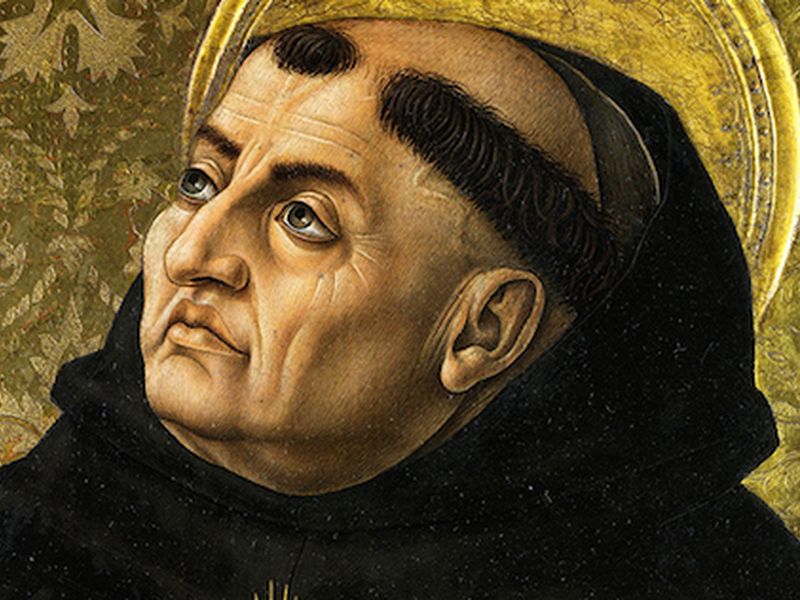
thomas-aquinas
Philosophy

Philosophia Negativa

Thomas Aquinas is known for his negative theology: "We are not capable of knowing what God s, but we can know what He is not" (ST, I, 3, prologue). His negative philosophy is less well known, but Josef Pieper argues ( The Silence of Saint Thomas ) that this is…

January 21, 2019
Uncategorized

Time To Go

This is my last blog post at Patheos. In the future, I will post now and then at TheopolisInstitute.com . Look for me there.

January 15, 2019

Tamar the Righteous

Some observations about the story of Tamar and Judah, recorded in Genesis 38, inspired by a lively discussion of the narrative at the Theopolis Regional Course in Dallas last weekend. 1) The chapter has a chiastic structure: A. Judah’s family, vv 1-5: take wife and conceive; births; replacement of firstborn…

January 14, 2019
Philosophy

Theology's Handmaid, Again

Steve Duby objects to my brief set of warnings about the uses of philosophy in theology. I suppose I've said ill-considered things about philosophy or some philosopher in some of my writing. But this post was, in my judgment, generous in spirit, moderate in its claims, and modest in its…

January 11, 2019
Trinity

The Hidden One

In a chapter on "Nicene metaphysics" in The Hidden and the Manifest , David Bentley Hart explains the radical differences between the Plotinian metaphysics and the metaphysics implicit in early Trinitarianism. The article turns on the dynamics of hiddenness and manifestation. Plotinus's ultimate principle, "the One," cannot reveal itself. It…

January 9, 2019

Showing page 49 of 2212

Browse by Category

In Medias Res

Your weekly digest for all things Theopolis.

Donate

Theopolis is nearly 100% donor-supported. Consider joining us on our mission.