Theopolis Logo

Writing

Explore our collection of theological essays, biblical studies, and reflections on faith and culture.

See all
paul-2
Romans

Notes on Scary Stuff in Romans 9

What shall we say then? Is there injustice on God’s part? By no means! For he says to Moses, “I will have mercy on whom I have mercy, and I will have compassion on whom I have compassion.” So then it depends not on human will or exertion, but on…

by Mark HorneFebruary 5, 2015
lunch-counter
American Politics

Covenants of Exclusion

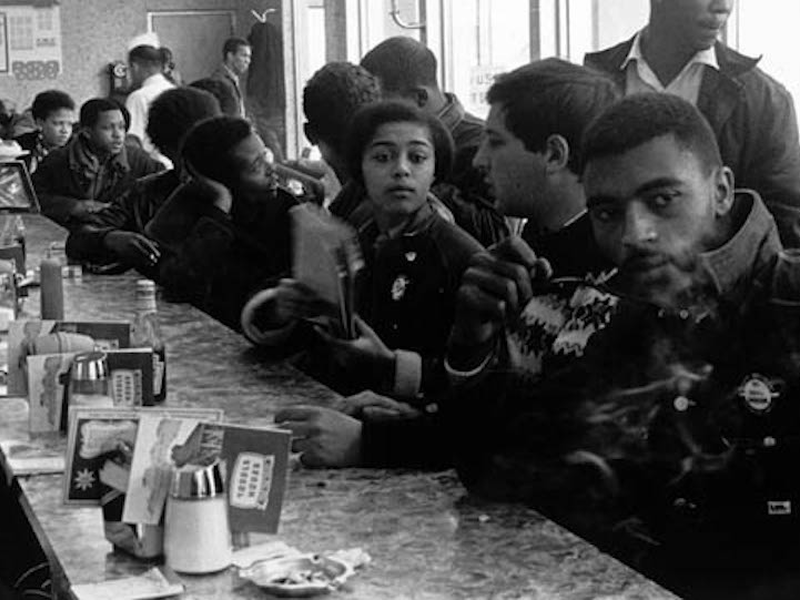
A hundred years ago, William Warley signed a contract to buy a house in Louisville, Kentucky from Charles Buchanan, a white man. Before closing the sale, Warley, who was black, learned that the lot was subject to a city ordinance barring blacks from occupying the premises if most of the…

by Brendan O'DonnellFebruary 3, 2015
shakespeare-2
Literature

The Bard and the Book

I concluded the first essay on this topic by saying that I would introduce three books about Shakespeare and the Bible, but I decided to introduce four instead. The three books become four are: Naseeb Shaheen, Biblical References in Shakespeare’s Plays (London: Associated University Presses, 1999) ; Hannibal Hamlin, The…

by Ralph Allan SmithJanuary 29, 2015
augustine-2
Augustine

Augustine on Pagan Virtue

My children attend a classical Christian school, situated in the independent “free church” evangelical tradition. Over the past few years they have been growing in their acquaintance with the world of Homer, Plato, Virgil, and Livy. They enjoy it, and I envy it. The school is a great school. My…

by Gerald HiestandJanuary 27, 2015
prodigal-son
Atonement

The Prodigal and the Cross

The Prodigal Son parable (Luke 15) has been a favorite of liberal theologians for a couple of centuries. It seems to be a parable designed for liberal sensibilities: An indulgent, accepting Father; forgiveness extended without a cross; a surly older brother who might represent the "conservative" face of religion who…

by Peter LeithartJanuary 22, 2015
sky-from-bridge
Ascension

Underground Man, Ascended Man

“I want now to tell you, gentlemen, whether you care to hear it or not, why I could not even become an insect. I tell you solemnly, that I have many times tried to become an insect. But I was not equal even to that. I swear, gentlemen, that to…

by Richard BledsoeJanuary 20, 2015

Showing page 161 of 309

See all

Showing page 5 of 43

See all

Soldiers, Martyrs, Choristers

The numbering of the sealed in Revelation 7 alludes to the census events of the book of Numbers. There, Moses initially numbers men twenty years and older, mustering them as the troops that will conquer the land. (The second census, in Numbers 26, includes women and has a different focus.)…

November 26, 2014
Trinity

Are the Divine Persons Persons?

The “personalist” understanding of the Trinity, articulated most influentially in the work of John Zizioulas, has fallen on hard times. Recent scholars have attacked Zizioulas’s idea that Cappadocian Trinitarianism represented an ontological revolution, hammering again and again the distinction between divine and human personhood. Michel Barnes’s conclusion is the most…

November 26, 2014
Theology

Protestant Eyes

Protestant soteriology claims to deal with perennial patterns of behavior and belief: Striving for approval from God by our performance, self-righteousness, works-righteousness, pride in our achievements, etc. Let’s grant that these are perennial patterns of behavior, though they will likely take various forms in different cultural settings. That’s not just…

November 25, 2014

Paul and the Petty Tyrants

Theodore Jennings ( Transforming Atonement , 158) observes that “what is visible on the grand scale of imperial political history also lodges itself in the dynamics of quite small-scale communities, including those that may seem to be, and may think of themselves as, and may even in important respects actually…

November 25, 2014

The Grounds of Justification

Markus Barth ( Acquittal by Resurrection ) sharply raises the question of the justice of God’s verdict of justification. How can God pronounce the guilty innocent, the ungodly righteous? Barth raises the stakes by insisting that the justice should be evident to all: “If after the proclamation of a verdict,…

November 25, 2014

The Liturgical Formation of Culture

Over at the Theopolis Institute site , I offer some reflections on the liturgical formation of culture through a consideration of the biblical anatomy of human action.

November 25, 2014

Showing page 494 of 2212

Browse by Category

In Medias Res

Your weekly digest for all things Theopolis.

Donate

Theopolis is nearly 100% donor-supported. Consider joining us on our mission.