Theopolis Logo

Writing

Explore our collection of theological essays, biblical studies, and reflections on faith and culture.

See all
evangelists
Matthew

Dating Matthew, (Part 1)

When might the Gospel according to Matthew have been written? Of course, any answer can only be speculation, but that does not mean we are reduced to groundless opinion. In this series of articles I point the way to an approach different from the general consensus among scholars today which…

by Ralph Allan SmithNovember 22, 2016

hebrew-manuscript-3
Hermeneutics

Synopticity, (Part 2)

In my first essay on “synopticity” I offered a rather rough definition of the phenomenon and important, though not exhaustive examples. In this essay, I want to introduce broader aspects of the phenomenon of “synopticity.” The first example that I have in mind is conventional stories, stories of different historical…

by Ralph Allan SmithNovember 17, 2016
screen-shot-2016-03-31-at-9-32-11-am
Ascension

Brexit and the Binding of Satan, Part 4

Since the judgment of Babel was followed by the initiation of the circumcision, the impending end of the circumcision in AD70 explains the significance of the first century miracle of foreign tongues. Except for a few Aramaic “teasers” in the book of Daniel, the Word of God was monolingual and…

by Mike BullNovember 15, 2016
four-evangelists
Hermeneutics

Synopticity, (Part 1)

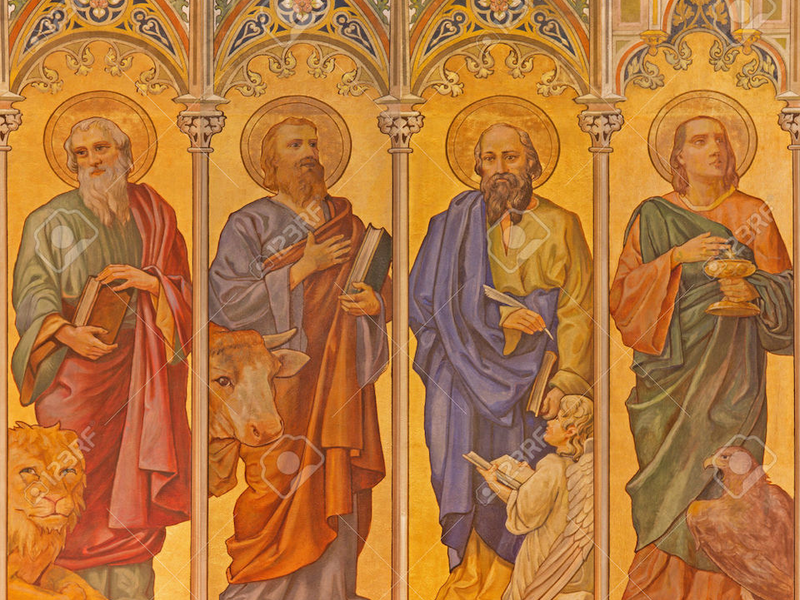
To the best of my knowledge “synopticity” is not a word used in theology or Biblical studies, but it seems an appropriate word to describe the kind of phenomena associated with the Synoptic Gospels, Matthew, Mark, and Luke. These three Gospels tell essentially the same story with significant — sometimes…

by Ralph Allan SmithNovember 10, 2016
laughing_statue_by_xxbobbiie-d5f0meh-2
Humor

Learning to Laugh

Humor is a funny thing. It is altogether familiar yet also mysterious. What makes us laugh? Why do we find things funny? There are academic fields of study dedicated to discovering what makes things humorous. These academicians even have a journal entitled International Journal of Humor Research . No joke.…

by Bill SmithNovember 8, 2016
chaucer
Literature

Flawed Means of Grace: Liturgy in The Pardoner's Tale

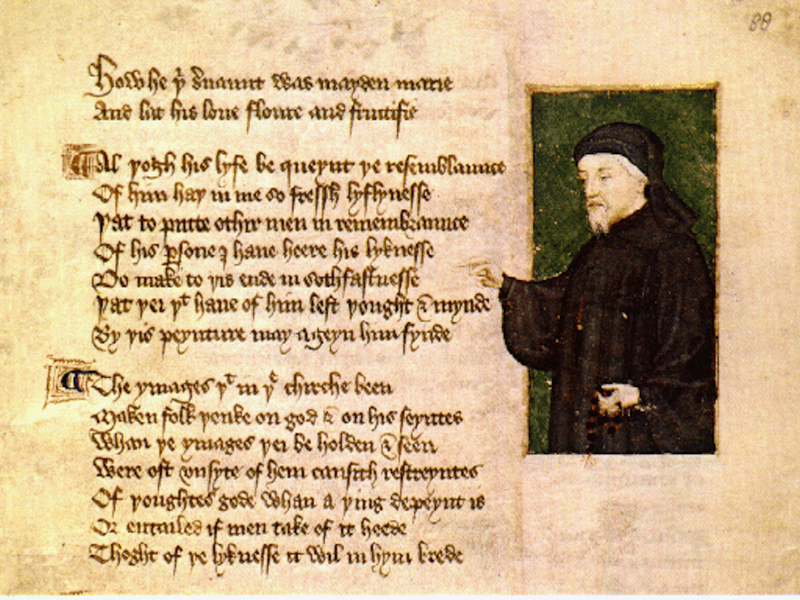
Out of all the characters in Geoffrey Chaucer’s The Canterbury Tales , the Pardoner has been called the “one lost soul.” The pious Parson, who closes out the collection of tales with a sermon on the seven deadly sins and how a sinner can absolve himself of them, connects the…

by Christian LeithartNovember 3, 2016

Showing page 122 of 309

See all

Showing page 5 of 43

See all

Persons, Property, Words

Samson Raphael Hirsch’s Horeb is worth reading on any topic – stimulating, eccentric, illuminating, infuriating. His treatment of the eighth commandment brings out several key themes. First, he defines property as “an artificial extension of the body” (227), and since the body is a “tool” for the spirit, so property…

November 20, 2018

Old-New Atheism

John Gray ( Seven Types of Atheism ) says that “Contemporary atheism is a flight from a godless world. Life without any power that can secure order or some kind of ultimate justice is a frightening and for many an intolerable prospect. In the absence of such a power, human…

November 19, 2018

Suffering and Death in Hebrews

Bryan Dyer deploys some sophisticated critical tools to establish the "context of situation" for the book of Hebrews in his Suffering in the Face of Death . He uses the "semantic domain theory" reflected in the Louw-Nida Lexicon to identify the variety of language the writer uses to describe suffering…

November 15, 2018

Liberal Theology, Liberal Politics

In her book on Benjamin Constant, Liberal Values , Helena Rosenblatt examines the intertwining of religious and political concerns in the work of Constant and his lover/collaborator, Madame de Stael. Through his early study of liberal Protestant theologians in Germany, Constant "hit upon what would be a central principle of…

November 14, 2018

Kantian v. Kantian

Gillian Rose ( Hegel Contra Sociology , 21-24) examines how sociology attempts to overcome Kantian problematics, but remains within them all the same. Neo-Kantianism, she argues, "founded two kinds of 'sociology,' two logics of the social: a logic of constitutive principles for the sociology based on the priority of validity,…

November 13, 2018

Male and Female

Barth is no feminist. In his discussion of man and woman (CD 3.4), he insists on the created differences between male and female. Men and women must resist the temptation "to exchange their special vocations, what is required of the one or the other as such" (154). Instead, "each man…

November 13, 2018

Showing page 53 of 2212

Browse by Category

In Medias Res

Your weekly digest for all things Theopolis.

Donate

Theopolis is nearly 100% donor-supported. Consider joining us on our mission.