Theopolis Logo

Writing

Explore our collection of theological essays, biblical studies, and reflections on faith and culture.

See all
e99a9541
Abortion

To Kill or Not to Kill

It seems to be old news, but I was unaware of it until recently. Australian academics argued that mothers should be allowed to terminate the life of a newborn child. [i] Why would they promote such an idea? Because before the child is born it is not always possible to…

by Ralph Allan SmithSeptember 12, 2019
pascal
Philosophy

Is the Betting Rigged in Pascal's Wager?

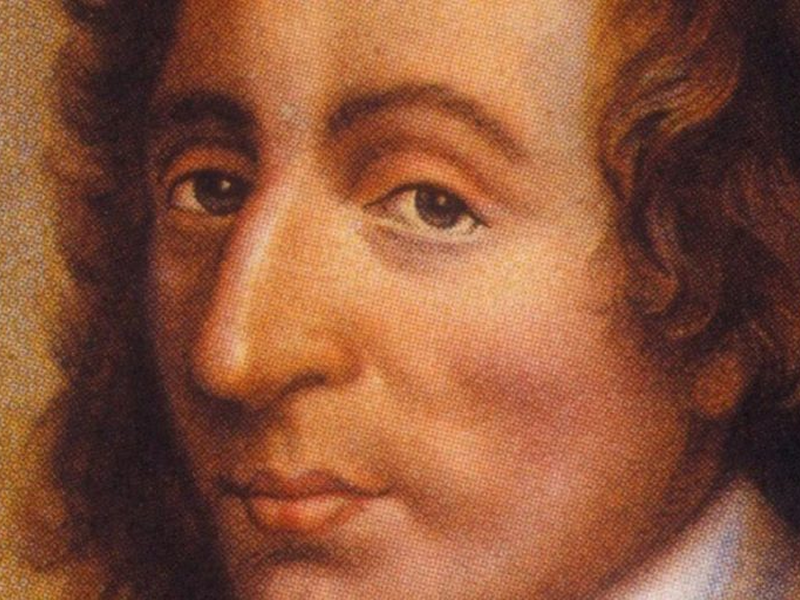
This is the second of two essays introducing Pascal’s Wager. Click HERE for Part 1. In “The Pop Star and the Mathematician” I gave an overview of the apologetic approach commonly called Pascal’s Wager. In that Wager, 17 th -century French mathematician Blaise Pascal argued that the choice between Christian…

by Alexander WhitakerSeptember 10, 2019
pascal
Philosophy

The Mathematician and the Pop Star: A Pascal's Wager Primer

This is the first of two essays aiming to introduce the reader to Pascal’s Wager. The second will address criticisms of the Wager. In the early 1990s, a perennially popular British pop star was interviewed on British television about his very public evangelical Christian faith. “What if,” the reporter asked…

by Alexander WhitakerSeptember 5, 2019
screen-shot-2019-09-03-at-7-00-44-am-2
Matthew

The Secret of the Middle of Matthew

Matthew 13 is about secrets. In this chapter, Jesus teaches eight parables and tells the disciples that they reveal the secrets of the kingdom (13:11). And much like Samson who both tells riddles and is himself a riddle that the reader must solve, so Jesus not only tells secrets but…

by John HigginsSeptember 3, 2019
david-with-goliaths-head-and-soldiers-crop
Biblical Theology

David, Goliath, and the Body of Moses, (Part 2)

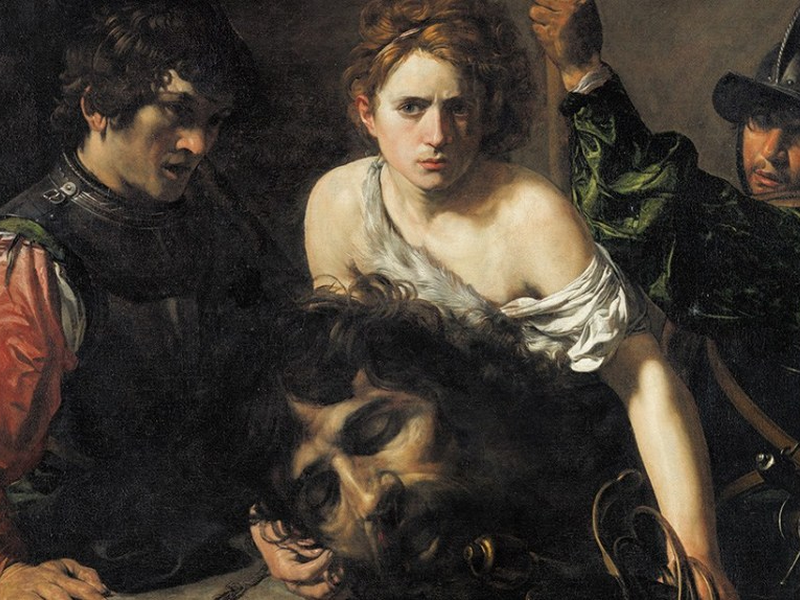
Click HERE for part One. THE TEXT AS TABERNACLE Creation – Initiation – Genesis (1 Samuel 17:1-11) The gathered armies not only remind the reader of Ebal and Gerizim, but also of the very reason that Israel was established (Creation) , set apart from the other nations by the circumcision…

by Mike BullAugust 29, 2019
job
Job

The Man in the Middle

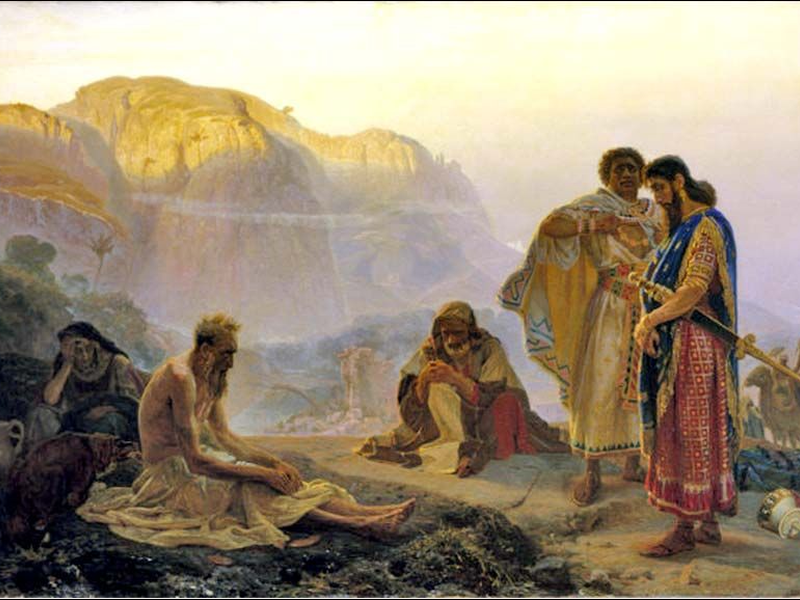
What to do with Job’s Final “Friend,” Elihu Elihu is a strange character, at least in the sense of how and where he appears in the book of Job. Why does he not appear with the other three “friends?” Does his argument differ from any of the first three who…

by Eric RobinsonAugust 27, 2019

Showing page 75 of 309

See all

Showing page 5 of 43

See all

Circular Evolution

In his Natural History of Religion, David Hume proposes an evolutionary progress from natural polytheism to more developed monotheism. This, he thinks, is the natural and virtually inevitable progress: “As far as writing or history reaches, mankind, in ancient times, appears universally to have been polytheists” and idolaters. It makes…

March 11, 2014

Persistent Protest

Protestant problematics about sacraments still run in the background of early modern debates about religion. In response to evidence of similarities between Jewish and “savage” Indian religion, some early modern thinkers argued that the ritual similarities were marginal to Judaism. Some thought of Jewish ceremonies as a kind of prophylactic…

March 11, 2014

Jubilee: Real or Ideal?

Many scholars have concluded that the Jubilee legislation of Leviticus 25 is an idealized portrait of an institution that Israel never practiced. In a 2003 essay in Vetus Testamentum , Lee Casperson takes issue with this viewpoint: “There are extensive parallels in the ancient Near East, long predating the entry…

March 11, 2014

Reenacted Exodus

Leigh Trevaskis tries to suss out the rationale for sticking Leviticus 24 (menorah, showbread, blasphemy) between Leviticus 23 (Israel’s festival calendar) and Leviticus 25 (Jubilee). He proposes a symbolic solution to the puzzle. He observes that chapter 24 begins with a reverence to “light” (v. 2), alluding back to the…

March 11, 2014

Epistemological Dualism

Esther Lightcap Meek presents the most devastating little critiques of epistemological dualism I’ve ever read near the beginning of A Little Manual for Knowing . Epistemological dualism describes the way we “distinguish knowledge from beliefs, facts from values, reason from faith, theory from application, thought from emotion, mind from body,…

March 11, 2014

Righteous aggressors

Halbertal ( On Sacrifice , 72-3) offers this fine analysis of the self-justificating moves of aggressors: “The mind can play complicated games, and among them is the accusation that an aggressor directs toward his victim for causing him to become violent, which all too easily turns into a justification for…

March 10, 2014

Showing page 663 of 2212

Browse by Category

In Medias Res

Your weekly digest for all things Theopolis.

Donate

Theopolis is nearly 100% donor-supported. Consider joining us on our mission.