Theopolis Logo

Writing

Explore our collection of theological essays, biblical studies, and reflections on faith and culture.

See all
trinity-1
Theology

Trinity and History

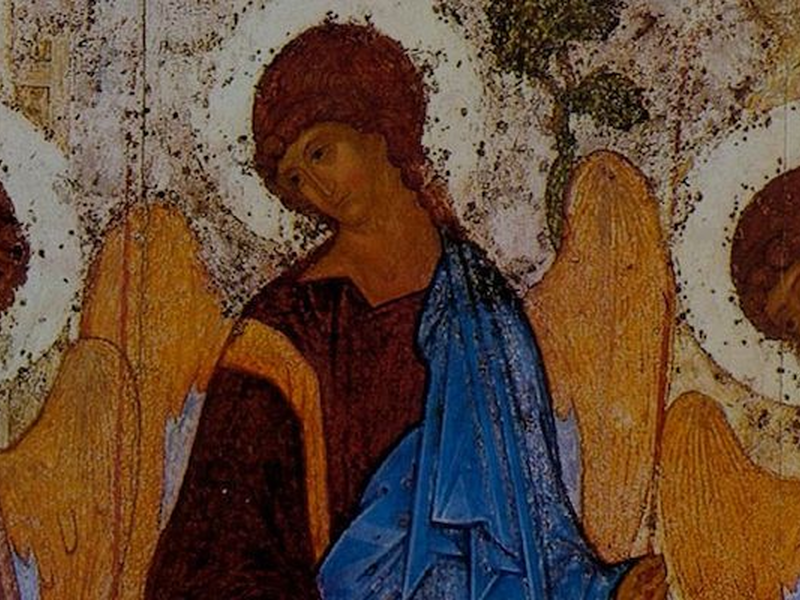
In The Meaning of History , Nikolai Berdyaev argues that the ancient Greeks had no concept of history and no philosophy of history because their concept of God and the world did not allow for it. “They conceived the world aesthetically, as a finite and harmonious cosmos. The most representative…

by Bogumil JarmulakNovember 20, 2014

preston-goff-xncifslw0jw-unsplash
Revelation

Liturgy: A Parable

You know how the curtain parts at the beginning of a play, and you see a new scene, with characters and sets and incidents that had remained hidden up til then? Church last week was like that. Except the curtain was made up of all the things I thought were…

by Peter LeithartNovember 18, 2014
pedestrians
Genesis

Human Trafficking in God's World

Genesis 3 records the terrible day when humanity fell into sin and shalom was violated. This was a moment of cosmic treason, when Adam and Eve violated their relationship with God by rebelling against His command and fell into the severe ignobility we all experience. The entrance of sin wrecked…

by Justin HolcombNovember 13, 2014
medievalilluminatedmanuscript
Biblical Studies

Bible.

One of the most important contributions of twentieth-century Catholic nouvelle théologie , and of Henri de Lubac and Jean Danielou in particular, was its rehabilitation of the typological interpretation of the Bible practiced by patristic and medieval theologians. Typological interpretation assumes that events and institutions of the Old Testament present…

by Peter LeithartNovember 11, 2014
pope-francis
Biblical Law

Capital Punishment and Rules of Evidence

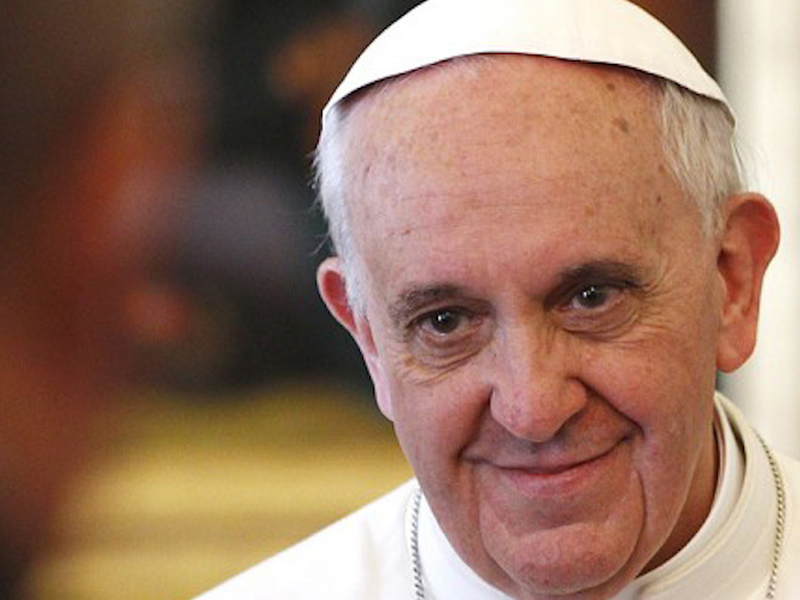
The Catholic News Service has reported that Pope Francis has called for the abolition of not only the death penalty, but also of life in prison. In a meeting with representatives of the International Association of Penal Law, the pontiff called for all “Christians and people of good will” to…

by Gregory LaughlinNovember 6, 2014
olympus-digital-camera
Culture

Violence Against Women

Each year, the United Nations designates November 25 as the International Day for the Elimination of Violence against Women. U.N. Secretary-General Ban Ki-moon explains, “Violence against women and girls takes many forms and is widespread throughout the globe. It includes rape, domestic violence, harassment at work, abuse in school, female…

by Justin HolcombNovember 4, 2014

Showing page 166 of 309

See all

Showing page 6 of 43

See all

God’s telos

Athanasius insists that the Father must have an eternal Son because the Father’s essence could never have been imperfect: “if He is called the eternal offspring of the Father, He is rightly so called. For never was the essence of the Father imperfect ( ateles ), that what is proper to it should…

November 4, 2009
Literature

Lying

From Richard Wilbur’s “Lying”: In the strict sense, of course, We invent nothing, merely bearing witness To what each morning brings again to light: Gold crosses, cornices, astonishment Of panes, the turbine-vent which natural law Spins on the grill-end of the diner’s roof, Then grass and grackles or, at the…

November 4, 2009

Canon Sale

Canon Press is having a Fall Sale, which you can read about here: http://www.canonpress.com/shop/

November 4, 2009

Conundrums of Simplicity, 2

Perhaps the most obvious and easiest resolution of the conundrums that Augustine explores is a perichoretic one. Does the Father have wisdom “in Himself”? Yes, because the Wisdom that is the Son dwells in Him  by the Spirit.  Does the Father possess His being “in Himself”?  Yes, because the Son…

November 3, 2009

Conundrums of Simplicity

1 Corinthians 1:24 says that Christ is the power and wisdom of God.  Augustine spends two books of de Trinitate trying to figure out what that means.  In Book 6, he tries out the notion that the Father’s power and wisdom is simply the power and wisdom that He begets…

November 3, 2009

Liquid identity

Augustine argues ( de Trinitate 5.1.6) that claims about human beins are spoken either secundum substantiam or secundum accidens .  The latter category includes relational terms, statements about us ad aliquid , with reference to another.  That is, for humans, in contrast to God, relational terms are accidents, changeable.  God…

November 3, 2009

Showing page 1330 of 2212

Browse by Category

In Medias Res

Your weekly digest for all things Theopolis.

Donate

Theopolis is nearly 100% donor-supported. Consider joining us on our mission.