Theopolis Logo

Writing

Explore our collection of theological essays, biblical studies, and reflections on faith and culture.

See all
trnava-university-beeyeib-am8-unsplash
Biblical Chronology

Meredith G. Kline Strikes Back, Part 2

In our first essay we looked at Kline’s flawed exegesis of Genesis 2:5 as it relates to Day 3 of creation. Now we turn to Kline’s new argument against a chronological reading of Genesis 1, as found, again, in "Space and Time in the Genesis Cosmogony," Perspectives on Science and…

by James B. JordanMarch 29, 1997
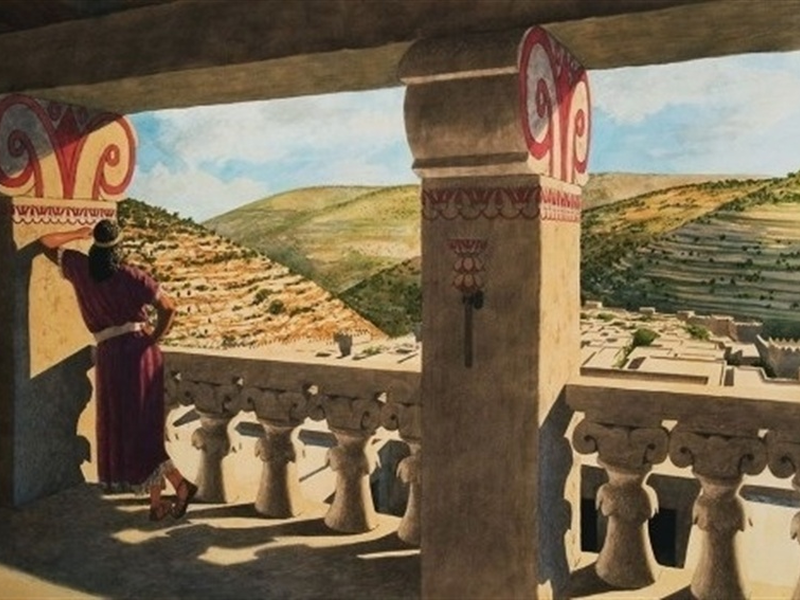
30211-bathsheba-800w-tn
Hermeneutics

Bathsheba: The Real Story

One of the advantages of paying very close attention to the details in the Bible, especially chronological and genealogical details, is that they can shed light on situations that don’t seem to make much sense apart from them. One such situation is that of Bathsheba. It appears that Bathsheba willingly…

by James B. JordanMarch 28, 1997
jonathan-cooper-ygxq7hfdjzq-unsplash
Church Calendar

Is the Church Year Biblical? | A Parking Lot Parable

Once upon a time, Jeff Meyers and Tony Rollins–old friends who had not seen each other for a few years–met in the parking lot of a neighborhood church. They were dropping off their pre-school children at the church for Mother’s Day Out. They were such conscientious and helpful fathers. As…

by Jeff MeyersMarch 20, 1997
annie-spratt-upxf6to3fea-unsplash
Daniel

The Allegory of Susanna

Years ago, when I was at the briefly-existing Geneva Divinity School, I taught a course in the Apocrypha. One thing that struck me at that time is that two of the stories are almost certainly religious allegories (as well as moral tales): Judith and Susanna. Since "Susanna" means "Lily," this…

by James B. JordanFebruary 28, 1997
serafima-lazarenko-_ivuwprfczi-unsplash
Biblical Horizons

A Blossom of Yahweh’s Field

Peter’s essay inspires me to write up some similar thoughts about the flower of the field. Rightly does Peter associate the almond with Yahweh’s garden, because the Garden of Eden is symbolically positioned as parallel to the Holy Place of the Tabernacle and Temple. To wit: Since Aaron’s rod blossomed…

by James B. JordanFebruary 28, 1997
trnava-university-beeyeib-am8-unsplash
Biblical Chronology

Meredith G. Kline Strikes Back, Part 1

We have had occasion to discuss the views of Meredith G. Kline previously in these newsletters, and now it is time to do so again. Kline teaches at Gordon-Conwell Theological Seminary and also at the Westminster Theological Seminaries (Philadelphia and San Diego). He is the author of some interesting insights…

by James B. JordanFebruary 28, 1997

Showing page 259 of 309

See all

Showing page 6 of 43

See all
History

German Modernity

In the course of a review of Timothy Ryback’s recent book on Hitler’s library, Anthony Grafton comments on the connection between critique and occultism in early twentieth-century thought: “it is wrong to dismissed the esoteric strains in German thought in the early decades of the twentieth century simply because they…

December 20, 2008
Economics

Economies, Advanced and Primitive

Christopher Caldwell ends an intriguing article on William Bagehot ( Weekly Standard , 12/22) with this: “To be blunt, credit is successfully reestablished when financial elites say, ‘When.’ Credit is close to a synonym for the mood of the ruling class. To say an economy is based on credit is…

December 20, 2008

Wise Men

Mike Bull from Australia sent the following, which I reproduce with his permission: “We don’t know how many wise men travelled from the east, but perhaps we can make a guess via God’s deliberate typology. “We do know there were three gifts. With Christ as the human Ark of the…

December 18, 2008

India Islamicism

Philip Jenkins has an excellent brief introduction to the thought of the Indian Muslim thinker, Syed Abul Ala Mawdudi, in the December 24 issue of TNR . He writes: “His guiding assumption was a totalistic view of Islam: Everything in the universe was God’s creation, so Muslims could freely use…

December 17, 2008
Biblical Studies

Scapegoat

Priests used lots to select a scapegoat on the day of atonement (Leviticus 16:8-10). Joshua used lots to locate Achan the troubler of Israel; Achan was a scapegoat, whose death cleansed the people so they could defeat Ai. Haman threw lots, trying to pinpoint the time for offering the scapegoat…

December 17, 2008

Judaizing and the church calendar

Some Reformed charge that celebration of the seasons of the church calendar is Judaizing, a reversion to the slavery of the Old Covenant. More the opposite: The Reformed anti-calendar view says that we keep appointments with God only when He strictly and explicitly commands it. They do not think human…

December 14, 2008

Showing page 1435 of 2212

Browse by Category

In Medias Res

Your weekly digest for all things Theopolis.

Donate

Theopolis is nearly 100% donor-supported. Consider joining us on our mission.