Theopolis Logo

Writing

Explore our collection of theological essays, biblical studies, and reflections on faith and culture.

See all
jephthahs-vow-by-edwin-long
Judges

The Jephthah-Jesus Connection

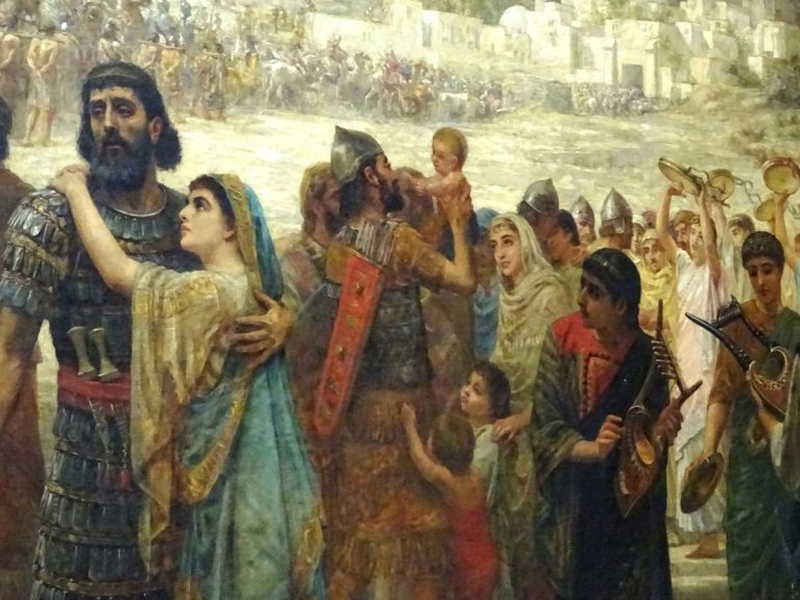
Why there is more to Jephthah than meets than eye It was not that long ago that I realized the Jephthah-story and the Jesus-story were basically the same story. Sounds crazy, I know. But here is a one-paragraph synopsis of both: The people of God have gone their own way,…

by Eric RobinsonDecember 27, 2018

nativity-2
Advent

Jesus Rejoiced

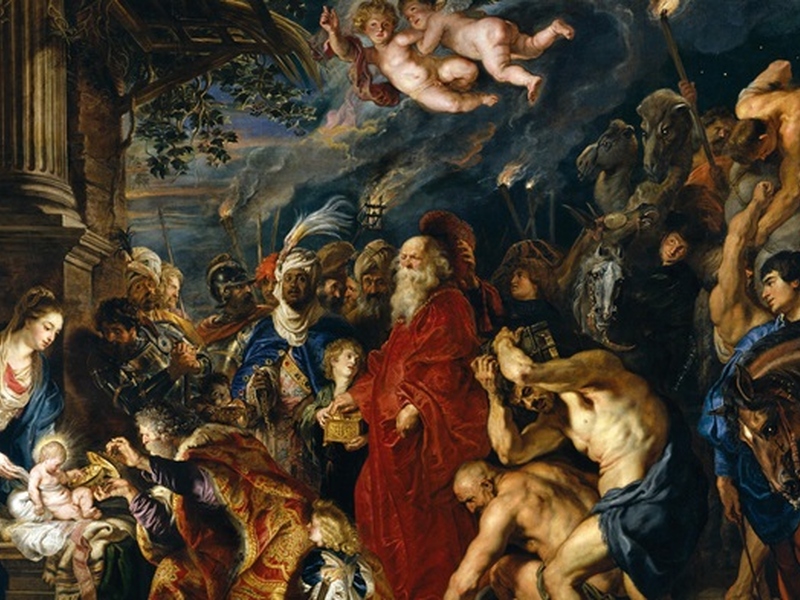
G.K. Chesterton famously said that the Gospels don’t reveal Jesus’ mirth. It’s true we never catch Jesus laughing. But can we believe He never did? I don’t think so. Laughter is human, and Jesus was fully human. Jesus promised that those who mourned would laugh. He mourned; would He not…

by Peter LeithartDecember 25, 2018
74686
Advent

New Exodus

Matthew 2 has all the elements of an exodus story. There’s a murderous king, who slaughters Jewish babies. There’s a infant who will be Israel’s future deliverer, saved from the murderous king so He can later return to save His people and lead them to the Promised land. There’s an…

by Peter LeithartDecember 20, 2018
tpc-worship
Church Calendar

Is the Church Calendar Desirable?

The calendar of Israel was primarily theological, centered on commemorating the salvific acts of God, but also agricultural, celebrating the creation-restoring effects of those salvific acts. The feasts of the first month celebrated the reviving of the world in the Spring, and typified the cutting off of the Savior in…

by James B. JordanDecember 18, 2018
hebrew-manuscript-2
Chiasm

Chiasms and Life

The chiastic shape corresponds to the shape of human life. This should not surprise us, because we are made in the image of God, and God is manifest in Word and Spirit. If we are living epistles, our lives will look a bit like the literary shape of the books…

by James B. JordanDecember 14, 2018
sailing-shop-storm-crop
Biblical Theology

Boat Stories

Back in January, Venkatesh Rao wrote a fascinating post on the Ribbonfarm blog, discussing different forms of models of narrative. Engaging with Ursula LeGuin’s talk ‘The Carrier Bag Theory of Fiction’ , Rao explores her contrast between the (male) ‘hero narrative’ and the (female) ‘carrier-bag story’, and suggests a third…

by Alastair RobertsDecember 11, 2018

Showing page 83 of 309

See all

Showing page 6 of 43

See all
Theology

Barthes’s transcendental argument

That’s Barthes not Barth. As in Roland. Prickett suggests that Barthes’ proclamation of the death of the author, his manumission of interpretation from the obsession with the limited, final, “secret” meaning, and his hope for a liberated “anti-theological” and “revolutionary” reading that refuses “to fix meaning” in fact opens the…

August 5, 2008

Conservatism of Poststructuralism

Poststructuralism likes to think itself radical, but Stephen Prickett (Words and the Word) points out that it excludes the possibility of novelty. Barthes says that a text is “a tissue of quotations drawn from the unnumerable centres of culture.” And Kristeva’s notion of intertextuality, on Prickett’s reading, encloses a text…

August 5, 2008
Literature

Novelistic language

A few highlights from James Wood’s chapter on language in How Fiction Works . Early on, he mentions the “old modernist hope” that prose can be “as well written as poetry.” This will require readers and novelists to develop what Nietzsche called a “third ear”: “We have to read musically,…

August 4, 2008
Literature

Bad Books

Lewis remarks on the high difficulty of adverse criticism, noting that the difficulty lies partly in the fact that the defects of bad literature are found in good literature: “The novel before you is bad - a transparent compensatory fantasy projected by a poor, plain woman, erotically starving. Yes, but…

August 4, 2008

Terms of abuse

Lewis describes the process by which words that once expressed and aroused emotions by appealing to the imagination have been emptied of image-content and become purely emotional. “Damn you” used to be a real curse, because people believed in damnation. Now that fewer do, it’s a more or less purely…

August 4, 2008

Limits of language

In Lewis’s defense, he is trying to explain some of the limits of language, which are worth noting (this in the last chapter of Studies in Words ). One limitation has to do with language’s inability “to inform us about complex physical shapes and movements. Hence descriptions of such things…

August 4, 2008

Showing page 1485 of 2212

Browse by Category

In Medias Res

Your weekly digest for all things Theopolis.

Donate

Theopolis is nearly 100% donor-supported. Consider joining us on our mission.