Theopolis Logo

Writing

Explore our collection of theological essays, biblical studies, and reflections on faith and culture.

See all
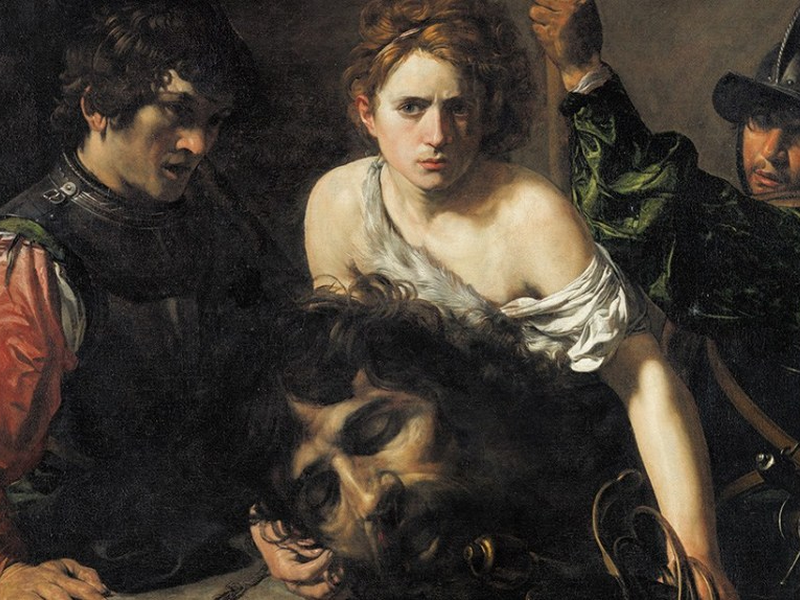
david-with-goliaths-head-and-soldiers-crop

David, Goliath, and the Body of Moses, Part 1

In the Bible, all the world is a stage, but like the Tabernacle, that stage moves around a lot. David’s defeat of Goliath can only be fully understood as liturgy fulfilled in history. Liturgy, as a sacrifice of praise, is the step-by-step process of resolving a conflict. It relinquishes all…

by Mike BullAugust 22, 2019

andrew-welch-eozrev7i3pi-unsplash
Aristotle

On Friendship

Aristotle isn’t fundamentally wrong about friendship, nor is the long tradition that follows him. But you might not gather that by reading some of the more pointed critics of the classical conception of friendship. I think, however, that the classical view is not only viable but taken up and fulfilled…

by Jack FranicevichAugust 20, 2019
jachan-devol-xdplirqchx8-unsplash
Epistemology

Integration: Putting the Pieces Together

#13 in Theopolis Papers, Seeking Integration in a Fragmented World It is time for me to “cast off” integration, the way a knitter removes a completed scarf from the needles. I want to bring my quest concerning integration to a decent closure, though my happy quest for reality continues. With…

by Esther Lightcap MeekAugust 13, 2019
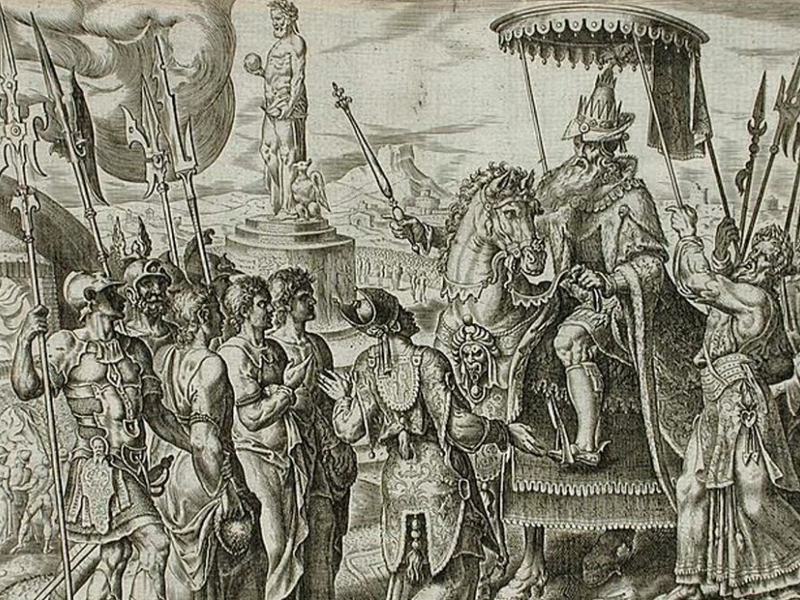
nebuchadnezzar
Revelation

Nebuchadnezzar’s Unfinished Symphony

Below are some notes on a particular sub-theme of Daniel 3, namely the downfall of Babylon’s liturgy. First up, a few words on our text’s literary construction. One of the most conspicuous features of Dan. 3 is its author’s love of lists . Personnel are listed (vs. 2, 3, 27),…

by James BejonAugust 6, 2019
e99a0657
Prayer

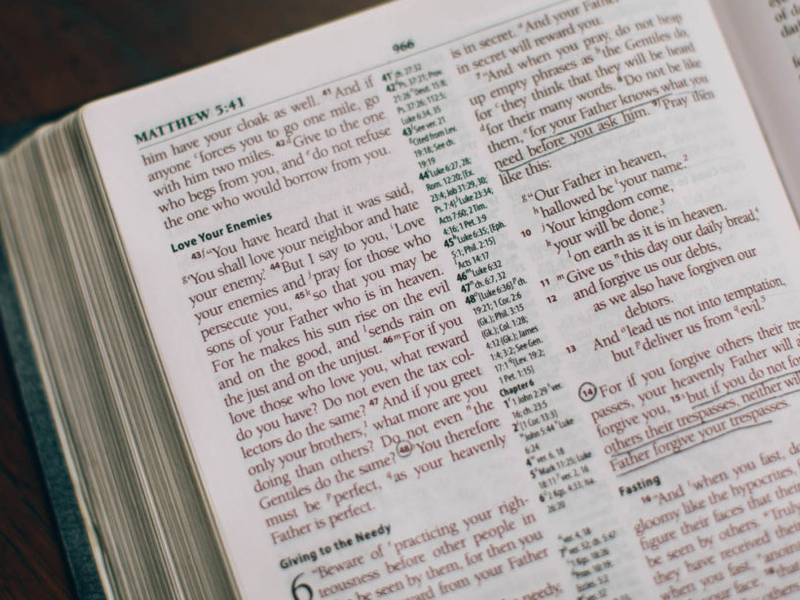
Praying for God's Good Name

Few things in Scripture, few things in the Christian life, are more familiar than the Lord’s Prayer. Sunday after Sunday, we pray these words together with our brothers and sisters. At home, alone or with our families, we pray this prayer daily, as Jesus taught us (Luke 11:2: “When you…

by John BarachJuly 30, 2019
catholicity_1
Culture

The Head, the Heart, and the “Gay Christian” Movement

At the 2019 General Assembly of the Presbyterian Church in America, the denominational delegates considered a number of official overtures (requests for action from the regional parts of the denomination) relating to issues of gender and sexuality. The PCA is conservative. As evidence of this, the assembly passed a resolution…

by Jonathan BarlowJuly 23, 2019

Showing page 76 of 309

See all

Showing page 6 of 43

See all
Literature

Sympathy for Bertram

Coleridge, on the other hand, stood up for Bertram: “I cannot agree with the solemn abuse which the critics have poured out upon Bertram in All’s Well that ends Well . He was a young nobleman in feudal times, just bursting into manhood, with all the feelings of pride of…

February 6, 2008
Literature

All’s Well?

Samuel Johnson said of Bertram in Shakespeare’s All’s Well that Ends Well : “I cannot reconcile my heart to Bertram, a man noble without generosity, and young without truth, who marries Helena as a coward and leaves her as a profligate; when she is dead by his unkindness, sneaks home…

February 6, 2008
Literature

Shakespeare the Christian

Belated help for a friend: Pastor Ralph Smith of the Mitaka Evangelical Church in Tokyo has produced an course entitled “Shakespeare the Christian.” The lectures cover Shakespeare’s debts to Christianity and his use of the Bible, and then analyze 10 of the plays in detail. Ralph has done his homework,…

February 6, 2008

Universal choir

Augustine on Psalm 149: “Chorus Christi jam totus mundus est.” Christ’s choir is now the whole world.

February 5, 2008
Theology

Augustine, postmodern cynic

Behind Varro’s classification of Roman religion into mythical, natural, and civic, Augustine discerns an interest, and a political one. Varro speaks harshly about the mythic or fabulous religions, for violating the dignity of immortal gods. Yet, the classification system serves to protect civic religion from similar condemnation. On Augustine’s reading,…

February 5, 2008
Politics

Musical city

Augustine quotes Cicero saying, “quae harmonia a musicis dicitur in cantu, eam esse in civitate concordiam.” That is, somewhat loosely, “what musicians call harmony in singing is concord in the city.”

February 5, 2008

Showing page 1572 of 2212

Browse by Category

In Medias Res

Your weekly digest for all things Theopolis.

Donate

Theopolis is nearly 100% donor-supported. Consider joining us on our mission.