Theopolis Logo

Writing

Explore our collection of theological essays, biblical studies, and reflections on faith and culture.

See all
tanner-mardis-xuxghzhibn4-unsplash-1-2
Biblical Studies

Tweets-turned-Notes on the Bible’s Chronology

Summary In what follows, I will consider the “year-stamps” employed in Scripture, i.e., statements of the form, “Such-and-such an event took place in the Xth year of Y.” In the process, I will suggest some ways in which the Biblical narrative might relate to events in the extra-Biblical world, though…

by James BejonJuly 16, 2019
durer-prodigal-son-2
Luke

Perspectives on the Prodigal, (Part 2)

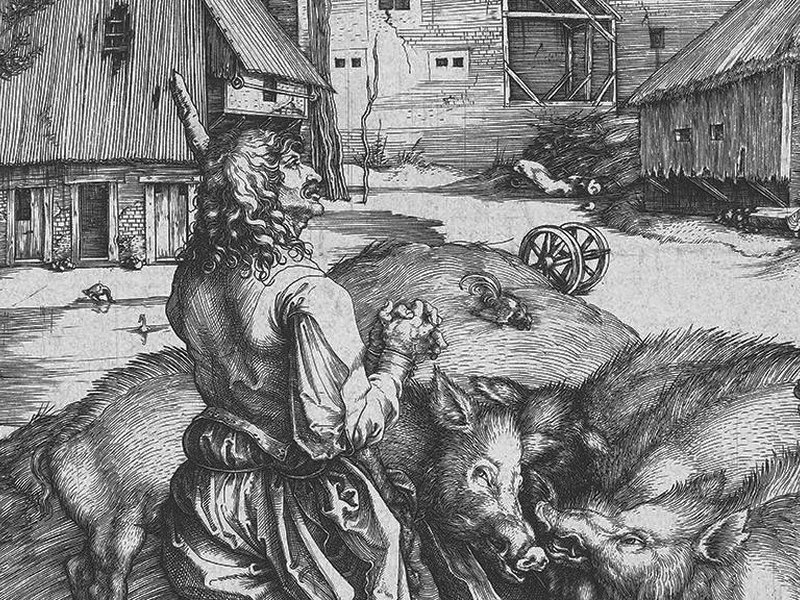
In the first essay on the parable of the Prodigal Son, I suggested that the problems commentators and others encounter in interpreting Jesus three-part parable are not accidental. These are not just problems in our ignorance of cultural background. They are intentional features of the stories —stories designed to poke…

by Ralph Allan SmithJuly 11, 2019
durer-prodigal-son-2
Luke

Perspectives on the Prodigal, (Part 1)

The story of the Prodigal Son is perhaps the most well-known story in the Bible. As others have observed, it may also be one of the most misunderstood. In two short essays, I will point out features of this story that are commonly neglected, aspects of Jesus’ parable that might…

by Ralph Allan SmithJuly 9, 2019
de-rijke-man-en-de-arme-lazarus-by-jacopo-da-ponte-16th-century
Luke

Lazarus and the Rich Man

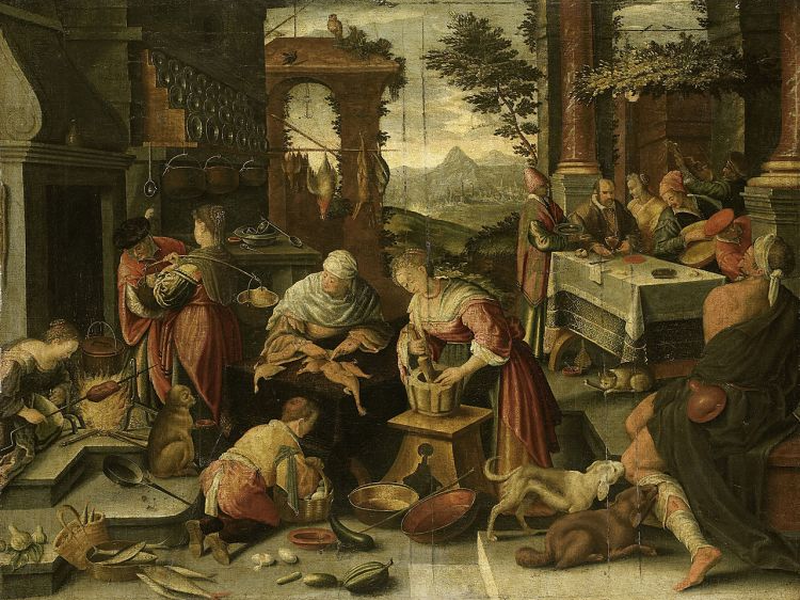
The parable of Lazarus and the nameless rich man is not an independent story. It is part of a long context that begins in Luke 15:1, where Jesus is eating with tax collectors and sinners and the scribes and Pharisees grumble. In response to their hardheartedness, Jesus tells a three-part…

by Ralph Allan SmithJuly 4, 2019
aaron-burden-uynrnfdkjwg-unsplash
Luke

Everybody has Dropsy - Luke 14:1-24

The Bible is written so that even when a reader cannot pick up on what might be deeper or more detailed aspects of a text, there is virtually always a message to be heard. In the ancient world, where the “reader” of Scripture would likely be a church official facing…

by Ralph Allan SmithJuly 2, 2019
communion
Biblical Theology

Fruit Trees and Grain Plants

The distinction between garden (or vineyard) and field begins in Genesis 2. This relates to the ordering of the formless world. Plants of the field are contrasted with the garden planted by God in Genesis 2:5&8. Later on, under the Old Covenant the Israelites will be required to keep their…

by James B. JordanJune 27, 2019

Showing page 77 of 309

See all

Showing page 6 of 43

See all

Antisacramental devilry

Luther assaulted the enthusiasts of the Reformation era with vigor: “enthusiasm lurks in Adam and his children from the beginning up to the end of the world, as a poison placed in them by teh ancient serpent, and it is the source, power and might of all heresy . .…

April 11, 2007
Theology

Letter, Spirit, and Progress

Interpreting the Psalmist’s cry for understanding, Luther discusses the need for understanding to grow over time: “The Psalmist prays for an understanding against the mere letter,for the Spirit is understanding. For as the years have passed, so has the relationship grown closer between letter and the Spirit. For what was…

April 11, 2007
Literature

France and England in Emma

In Emma, as U. C. Knoepflmacher has pointed out, the writing of letters is an index of character. Writing letters is itself less manly and direct that face-to-face speech, and the kinds of letters one writes reveal the person. Frank is said to write long, “pretty” letters; Robert Martin writes…

April 11, 2007
Literature

Jane Austen, Detective

PD James devotes a considerable amount of space to Austen in her autobiography, including biographical details about Austen and an appendix where she analyzes Emma as a “detective story.” She notes that detective stories don’t need to have murder, but only mystery: “facts which are hidden from the reader but…

April 11, 2007
Literature

Publication of Emma

As Claire Tomalin points out, Austen had two bursts of creativity during her lifetime. The first came in her early twenties, when she wrote the early versions of Northanger Abbey, Sense and Sensibility, and Pride and Prejudice within about a three year period from 1795-1798. None of these was published…

April 11, 2007

Five Points of NT Wright

The volume edited by McCormack includes a final chapter by NT Wright. Like a good Calvinist, Wright summarizes his views on Paul and justification under five points. He begins where he says Paul begins, with the gospel. For Paul, Wright argues, the gospel is not a message of individual salvation,…

April 10, 2007

Showing page 1694 of 2212

Browse by Category

In Medias Res

Your weekly digest for all things Theopolis.

Donate

Theopolis is nearly 100% donor-supported. Consider joining us on our mission.