Theopolis Logo

Writing

Explore our collection of theological essays, biblical studies, and reflections on faith and culture.

See all
ivan-aleksic-16yxcjsoaek-unsplash
Biblical Chronology

Jubilee (Part 2)

The Building of the Temple Solomon began work on the Temple in the second month of his fourth year. This was the year 2993, a sabbath year. He finished in the eighth month of his eleventh year, the year 3000, also a sabbath. (1 Ki. 6:1, 38). This is said…

by James B. JordanMarch 4, 1993
whichbooksbelongintheot
Biblical Chronology

Jubilee (Part 1)

The Bible expresses its chronology not only in sequences of years, but also in sequences of sabbath years and jubilees. This enables us to make a cross-check of our chronology, and when we find apparent problems, to refine it. If our chronology is right, we should find some significant correlations…

by James B. JordanFebruary 4, 1993
alfons-morales-ylswjsy7stw-unsplash-1
Biblical Studies

Adele Berlin, Poetics and Interpretation of Biblical Narrative

Adele Berlin, Poetics and Interpretation of Biblical Narrative Sheffield, England: Almond Press, 1983. This volume is the ninth in the "Bible and Literature Series" under the general editorship of David M. Gunn. According to its author, who teaches Hebrew at the University of Maryland, the book is an effort to…

by Peter LeithartJanuary 17, 1993
screenshot-2023-08-08-at-11-13-28-am
Ruth

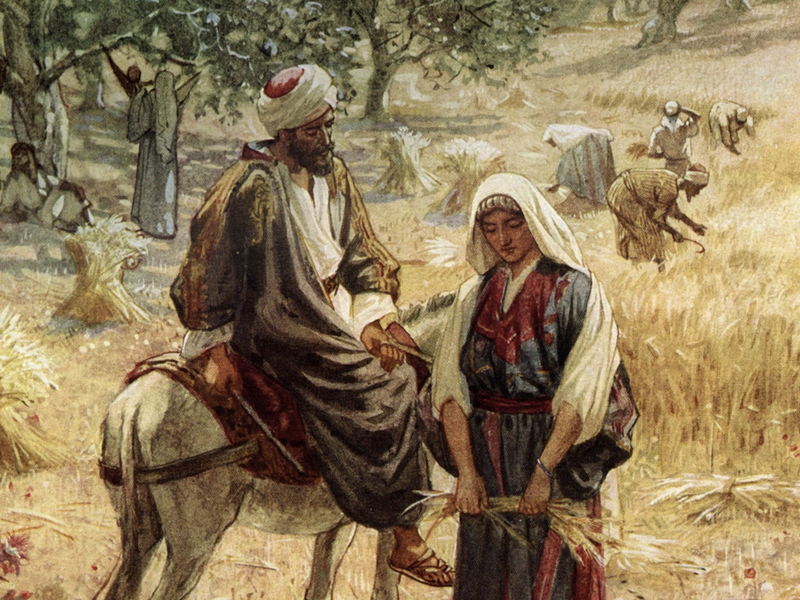
The Structures of Ruth

V. Propp’s classic work Morphology of the Folktale (University of Texas, 1968) argues that one of the basic structures of folk literature is "lack, lack liquidated." A king sets out to look for a wife, and the tale ends with a wedding. Often, the hero sets out on some business…

by Peter LeithartJanuary 17, 1993
painting-of-saint-luke
Luke

Second Samuel

Luke’s gospel begins and ends in the temple. It opens with Gabriel’s annunciation to the priest Zacharias (whose name, appropriately, means "Yahweh remembers") of the coming of a forerunner. Zacharias is performing priestly service at the time. The book ends with the joyful worship of a new priesthood in the…

by Peter LeithartJanuary 17, 1993
screen-shot-2023-01-26-at-3-44-00-pm
Biblical Chronology

Problems With New Testament History

Last time we arrived at the year A.M. 3960 as the date for the inauguration of the New Creation through the death, resurrection, ascension, and session of Christ, and the sending of the Holy Spirit. We also saw that this is most likely the year of Paul’s conversion. Fourteen years…

by James B. JordanJanuary 4, 1993

Showing page 286 of 309

See all

Showing page 6 of 43

See all
Theology

Sade and the cross

Notoriously, the Marquis de Sade stole some consecrated wafers, pushed them into a prostitute’s vagina, and had sex, saying, “Avenge yourself, if you are God.” He meant this as blasphemy, and it is. But his blasphemy only shows just how insurmountable Jesus is. Sade thought himself innovative, but he only…

January 19, 2007

Holes

Individualism treats us as splendidly isolated beings, our real selves fountains of ideas and desires but impenetrable to anything from the outside. How ever did we get this idea? By ignoring the body. If the body is at all a clue to the secret of human life, it shows us…

January 18, 2007
History

Tribalism

To grasp what Rosenstock-Huessy says about tribalism, we need to recognize that he sees the tribe as one moment in the development of ancient civilization. In The Fruit of Lips, he describes the origin of the tribe: “The ancient cycle began in the primitive tribe, among a little group of…

January 18, 2007
Economics

Marxism

In his chapter on the Bolshevik Revolution, Rosenstock-Huessy spends a number of pages digressing about Marx and Marxism. The following notes summarize his treatment of Marxism. Marx, Rosenstock-Huessy begins, is the culmination of the protest against the “order of things” from within Western civilization itself. Marx is biographically well-positioned for…

January 18, 2007
Philosophy

Farewell to Descartes

Rosenstock-Huessy’s brief essay on Descartes (included in I Am An Impure Thinker, extracted from Out of Revolution) highlights a number of recurring themes in Rosenstock-Huessy’s work: He discusses his own formula, Respondeo etsi mutabor, in contrast to the cogito of Descartes; he attacks the abstractions of science and modern thought;…

January 18, 2007

Unbearable burden of Evangelicalism

Anti-sacramental, anti-ritual evangelicalism emphasizes a personal relationship with God, but tends to encourage what Anthony Giddens calls “pure relationship,” a relationship that is not tacked down with external anchors and supports. A live-in relationship, without benefit of the rites and legalities of marriage, is a pure relationship. Evangelicalism tends to…

January 18, 2007

Showing page 1733 of 2212

Browse by Category

In Medias Res

Your weekly digest for all things Theopolis.

Donate

Theopolis is nearly 100% donor-supported. Consider joining us on our mission.