Theopolis Logo

Writing

Explore our collection of theological essays, biblical studies, and reflections on faith and culture.

See all
screen-shot-2022-05-12-at-12-07-23-pm
Leviticus

The Theology of the Drink Offering

The drink offering or libation ( nesek ) is mentioned in only three places in the book of Leviticus. When the sheaf of the firstfruits was waved before the Lord, a grain offering was to be burned, along with "its libation, a fourth of a hin of wine [approx. one…

by Peter LeithartJuly 17, 2018

aaron-burden-qjdzyt_k8xg-unsplash
Atonement

Limited Atonement & J. I. Packer

When I became a Calvinist it wasn't long before I learned that John Owen’s The Death of Death in the Death of Christ was regarded as the masterful treatise on what is known as "Limited Atonement"--the "L" in the TULIP mnemonic device for "the five points of Calvinism." This wasn't…

by Mark HorneJuly 12, 2018
30211-bathsheba-800w-tn
Hermeneutics

Bathsheba: The Real Story

One of the advantages of paying very close attention to the details in the Bible, especially chronological and genealogical details, is that they can shed light on situations that don’t seem to make much sense apart from them. One such situation is that of Bathsheba. It appears that Bathsheba willingly…

by James B. JordanJuly 10, 2018
img_7664
Leviticus

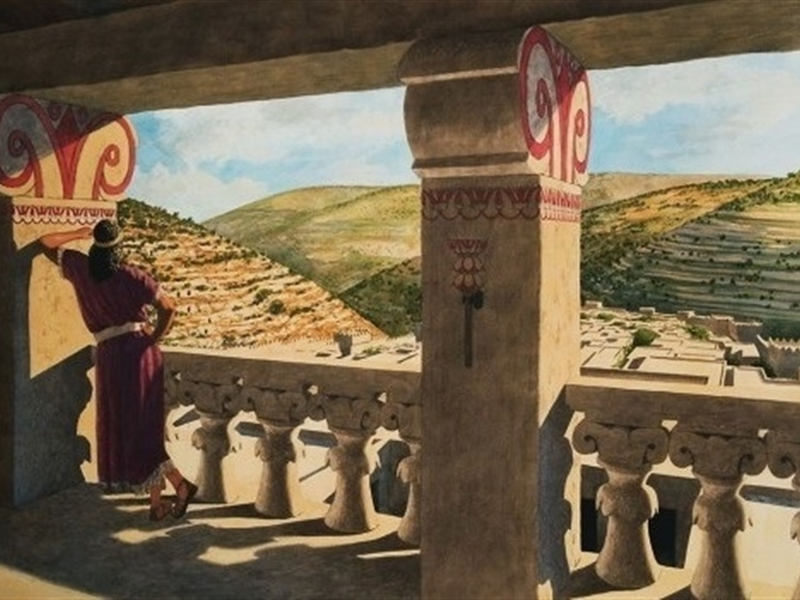
The Oddness of the Feast of Booths

The Feast of Ingathering in the seventh month of the Sinaitic calendar is also called the Feast of Sukkoth, of Booths, also called Feast of Tabernacles. I have usually called it by that last phrase, and it is the most common today; but there is a problem: A tabernacle is…

by James B. JordanJuly 5, 2018
alec-guinness-with-george-lucas
Matthew

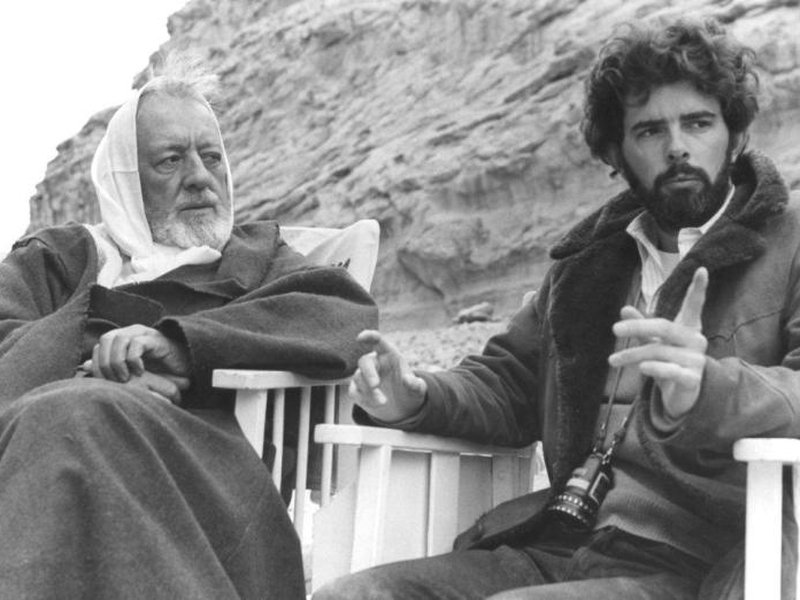
A Universe Less Expanded

When Matthew’s Gospel was first read aloud to the fledgling Christian congregations, the experience must have been like seeing the words “A long time ago in a galaxy far, far away…” appear afresh on cinema screens in 1999. Yet, unlike The Phantom Menace, the New Testament did not disappoint. Why?…

by Mike BullJuly 3, 2018
screen-shot-2018-06-28-at-9-29-39-am
Art

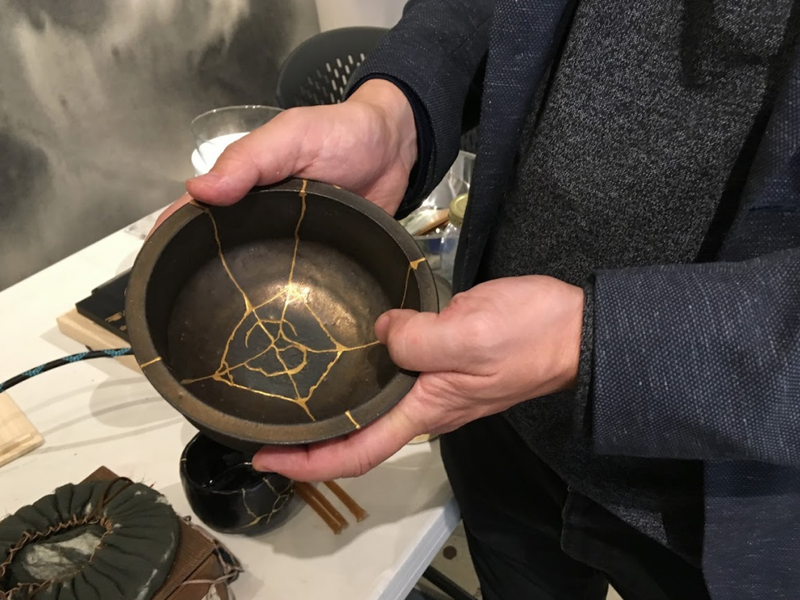
Seeking Integration in a Fragmented World: Kintsugi Integration

Fragmentation and integration are phenomena which artist Makoto Fujimura feels bodily, and about which he is concerned profoundly. What do these mean for him? How may we draw his insights into this ongoing consideration—itself integrative—of integration in a fragmented world? Thus far I have been acquainting you with matters already…

by Esther Lightcap MeekJune 28, 2018

Showing page 91 of 309

See all

Showing page 6 of 43

See all

Jihad

Despite the evidence of the past half-decade (longer, actually), many Muslims still insist on portraying Islam as fundamentally peaceful, tolerant of non-Muslims, and claim the holy-war interpretation of jihad as an aberration of a few fanatics. Perhaps not surprisingly, these apologists are found not only in Arab and Iranian mosques…

December 30, 2006

History of texts

One way to characterize the modern innovation in biblical interpretation is that it changes the Bible from a history of salvation into a history of documents. The Bible does not give access to history or the acts of God; it only gives us access to itself - the Bible as…

December 30, 2006
Literature

Oxford Companion

The new edition of the Oxford Companion to English Literature , edited by novelist Margaret Drabble, is a superb, entirely updated reference work. The range is astonishing: As one would expect, it includes biographical entries for British poets and novelists from the earliest times to yesterday, but also reviews the…

December 30, 2006
History

Allegory and the West

Gadamer traces the development of the notion of symbol and the corresponding, and contemporaneous, devaluation of allegory. Allegory came to be identified with “non-art” as experiential-expressive notions of art and poetry developed in post-Kantian romanticism. Along the way, he notes the importance that allegory played in the formation of Western…

December 29, 2006

Advice to young scholars, and old

In the same 1962 interview, Rosenstock-Huessy has some shrewd advice about the corrupting power of grant money on youn scholars. “If I have to solicit great foundations for money for my research,” he says, “then I have to propose something which is already obsolete for me. I know no researcher…

December 29, 2006

Masculine education

Rosenstock-Huessay notes that the differences between European and American elementary education have much to do with the fact that “The teaching function in America, until recent years [this from a 1962 interview], had been women’s work. All teaching up to higher education, therefore, had a completely different appearance than in…

December 29, 2006

Showing page 1745 of 2212

Browse by Category

In Medias Res

Your weekly digest for all things Theopolis.

Donate

Theopolis is nearly 100% donor-supported. Consider joining us on our mission.