Theopolis Logo

Writing

Explore our collection of theological essays, biblical studies, and reflections on faith and culture.

See all
tanner-mardis-xuxghzhibn4-unsplash-1-2
Biblical Studies

Tweets-turned-Notes on the Bible’s Chronology

Summary In what follows, I will consider the “year-stamps” employed in Scripture, i.e., statements of the form, “Such-and-such an event took place in the Xth year of Y.” In the process, I will suggest some ways in which the Biblical narrative might relate to events in the extra-Biblical world, though…

by James BejonJuly 16, 2019
durer-prodigal-son-2
Luke

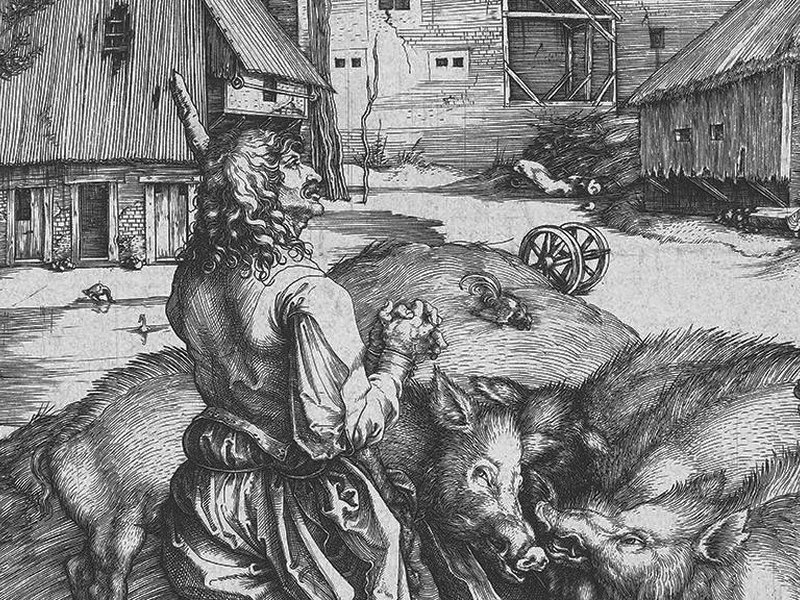
Perspectives on the Prodigal, (Part 2)

In the first essay on the parable of the Prodigal Son, I suggested that the problems commentators and others encounter in interpreting Jesus three-part parable are not accidental. These are not just problems in our ignorance of cultural background. They are intentional features of the stories —stories designed to poke…

by Ralph Allan SmithJuly 11, 2019
durer-prodigal-son-2
Luke

Perspectives on the Prodigal, (Part 1)

The story of the Prodigal Son is perhaps the most well-known story in the Bible. As others have observed, it may also be one of the most misunderstood. In two short essays, I will point out features of this story that are commonly neglected, aspects of Jesus’ parable that might…

by Ralph Allan SmithJuly 9, 2019
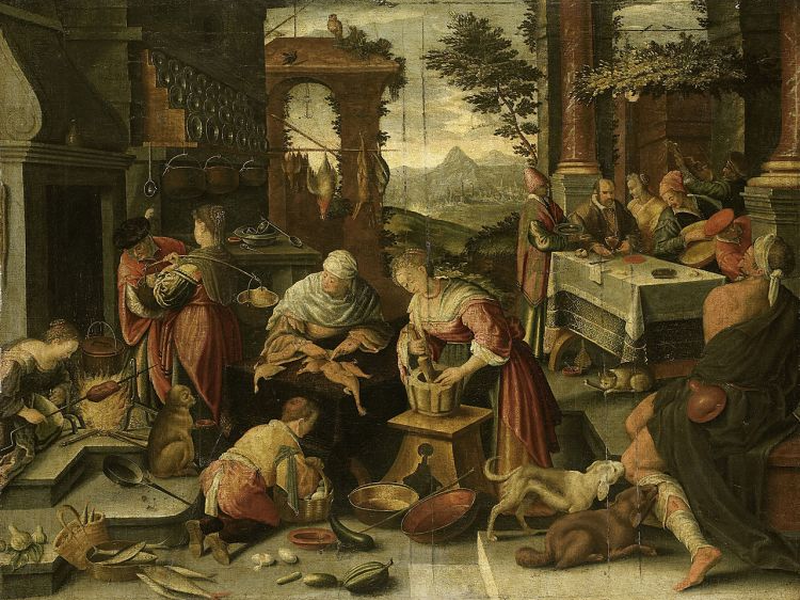
de-rijke-man-en-de-arme-lazarus-by-jacopo-da-ponte-16th-century
Luke

Lazarus and the Rich Man

The parable of Lazarus and the nameless rich man is not an independent story. It is part of a long context that begins in Luke 15:1, where Jesus is eating with tax collectors and sinners and the scribes and Pharisees grumble. In response to their hardheartedness, Jesus tells a three-part…

by Ralph Allan SmithJuly 4, 2019
aaron-burden-uynrnfdkjwg-unsplash
Luke

Everybody has Dropsy - Luke 14:1-24

The Bible is written so that even when a reader cannot pick up on what might be deeper or more detailed aspects of a text, there is virtually always a message to be heard. In the ancient world, where the “reader” of Scripture would likely be a church official facing…

by Ralph Allan SmithJuly 2, 2019
communion
Biblical Theology

Fruit Trees and Grain Plants

The distinction between garden (or vineyard) and field begins in Genesis 2. This relates to the ordering of the formless world. Plants of the field are contrasted with the garden planted by God in Genesis 2:5&8. Later on, under the Old Covenant the Israelites will be required to keep their…

by James B. JordanJune 27, 2019

Showing page 77 of 309

See all

Showing page 6 of 43

See all
Biblical Studies

Scripture’s eloquence

De Lubac cites this passage near the beginning of his Medieval Exegesis : “The eloquence of Sacred Scripture takes many shapes, and its meanings are many and varied. For this reason someone has said: He compares things that are celestial with things that are earthly, so that likenesses that we…

December 7, 2006

Sadnesses

In his study of the influence of medievalism on postmodern theory, Bruce Holsinger briefly reviews the reception of de Lubac’s work: “a number of his books were officially withdrawn from institutional libraries across the Catholic world, hundreds of copies of the just-published Corpus Mysticum lay rotting in a Lyons warehouse,…

December 7, 2006

Sermon Notes, Second Sunday of Advent

INTRODUCTION Jesus’ birth was announced by angelic choirs. It was also greeted by shepherds, to whom the angels first announced the birth of the Christ. Why would the news go to shepherds first? THE TEXT “And it came to pass in those days that a decree went out from Caesar…

December 5, 2006

Eucharistic meditation, First Sunday of Advent

John 7:37-38: Now on the last day, the great day of the feast, Jesus stood and cried out, saying, If any many is thirsty, let him come to Me and drink. He who believes in Me, as the Scripture says, from his innermost being will flow rivers of living water.…

December 3, 2006

Exhortation, First Sunday of Advent

When Jesus ascended into heaven, He poured out His Spirit on the church. According to Paul, He also gave gifts to men. These gifts included apostles, prophets, evangelists, pastors, and teachers, given to the church to equip the saints for their work of service. Paul gives us this picture of…

December 3, 2006
Biblical Studies

Philosopher or poet?

The doctrine of accommodation (which is rife in the tradition, as basic to Thomas as to Calvin) says: When God speaks in His natural voice, He speaks like a philosopher. He speaks like a poet in Scripture because He’s dumbing it down for humans imprisoned in a sensible world. Scripture,…

December 1, 2006

Showing page 1756 of 2212

Browse by Category

In Medias Res

Your weekly digest for all things Theopolis.

Donate

Theopolis is nearly 100% donor-supported. Consider joining us on our mission.