Theopolis Logo

Writing

Explore our collection of theological essays, biblical studies, and reflections on faith and culture.

See all
tanner-mardis-xuxghzhibn4-unsplash-1-2
Biblical Studies

Tweets-turned-Notes on the Bible’s Chronology

Summary In what follows, I will consider the “year-stamps” employed in Scripture, i.e., statements of the form, “Such-and-such an event took place in the Xth year of Y.” In the process, I will suggest some ways in which the Biblical narrative might relate to events in the extra-Biblical world, though…

by James BejonJuly 16, 2019
durer-prodigal-son-2
Luke

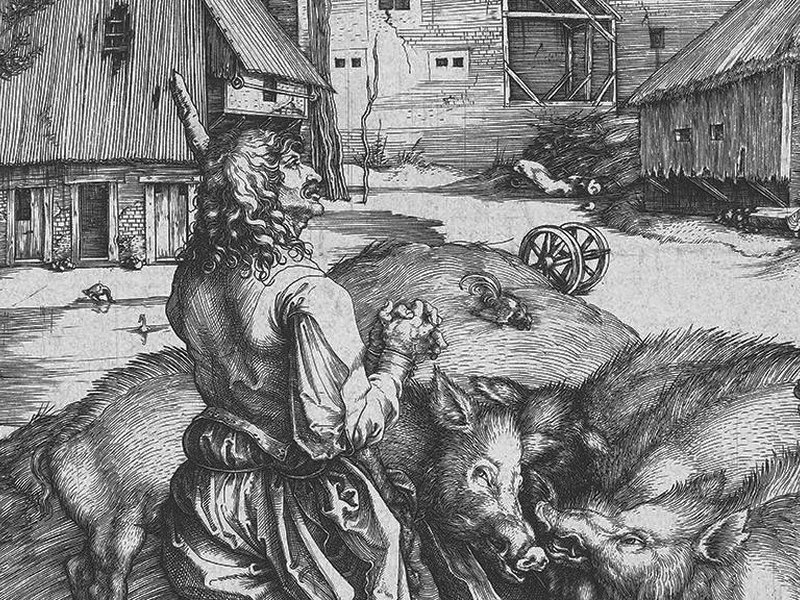
Perspectives on the Prodigal, (Part 2)

In the first essay on the parable of the Prodigal Son, I suggested that the problems commentators and others encounter in interpreting Jesus three-part parable are not accidental. These are not just problems in our ignorance of cultural background. They are intentional features of the stories —stories designed to poke…

by Ralph Allan SmithJuly 11, 2019
durer-prodigal-son-2
Luke

Perspectives on the Prodigal, (Part 1)

The story of the Prodigal Son is perhaps the most well-known story in the Bible. As others have observed, it may also be one of the most misunderstood. In two short essays, I will point out features of this story that are commonly neglected, aspects of Jesus’ parable that might…

by Ralph Allan SmithJuly 9, 2019
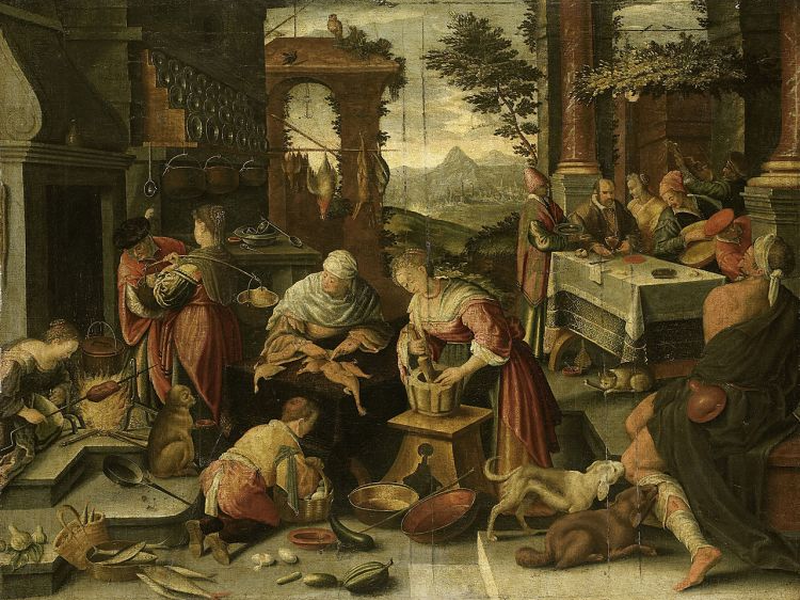
de-rijke-man-en-de-arme-lazarus-by-jacopo-da-ponte-16th-century
Luke

Lazarus and the Rich Man

The parable of Lazarus and the nameless rich man is not an independent story. It is part of a long context that begins in Luke 15:1, where Jesus is eating with tax collectors and sinners and the scribes and Pharisees grumble. In response to their hardheartedness, Jesus tells a three-part…

by Ralph Allan SmithJuly 4, 2019
aaron-burden-uynrnfdkjwg-unsplash
Luke

Everybody has Dropsy - Luke 14:1-24

The Bible is written so that even when a reader cannot pick up on what might be deeper or more detailed aspects of a text, there is virtually always a message to be heard. In the ancient world, where the “reader” of Scripture would likely be a church official facing…

by Ralph Allan SmithJuly 2, 2019
communion
Biblical Theology

Fruit Trees and Grain Plants

The distinction between garden (or vineyard) and field begins in Genesis 2. This relates to the ordering of the formless world. Plants of the field are contrasted with the garden planted by God in Genesis 2:5&8. Later on, under the Old Covenant the Israelites will be required to keep their…

by James B. JordanJune 27, 2019

Showing page 77 of 309

See all

Showing page 6 of 43

See all
Biblical Studies

Incarnational revelation

Westminster OT professor Pete Enns has been a friend since he taught me German at seminary nearly twenty years ago, and as editor of the Westminster Journal he regularly published my work. I have raised questions to him in private in the past, and we have had our friendly disagreements.…

November 17, 2006

Cleanse, consecrate, atone

Jay Sklar of Covenant Seminary carefully examined the uses of various terms for cleansing, consecrating, and atonement, particularly aiming to distinguish “atone” (Heb kpr) from the others. He took aim particularly at Milgrom’s claim that kipper “means purge and nothing else,” and is synonymous with other terms for purging. Against…

November 17, 2006

Eternity in the heart

Brian Gault gave a carefully-argued paper on the meaning of “ha-olam” in Ecclesiastes 3:11 - normally translated as “eternity.” Gault ran through a number of possible interpretations of the verse, finally suggesting a repointing leads to a translation as “darkness” or “ignorance.” The point is that God makes the world…

November 17, 2006

Vestigia trinitatis

Keith Johnson gave a solid exposition of Augustine’s views on the vestigia trinitatis in an ETS session this morning. He argued that Augustine is not using the vestigia to prove the Trinity or as a “second root” (Barth) in addition to the economic revelation of the Trinity. In fact, Augustine…

November 16, 2006
Politics

True Toleration

J. Budziszewski gave a sharply argued and spryly humorous deconstruction of liberalism’s neutralist view of tolerance, arguing that liberal states are confessional states that pretend not to be and that liberalism leads to a disguised dictatorship (a plenary ETS session). He suggested that a confessional state that follows what he…

November 16, 2006
History

Purity

No doubt it goes without saying after the previous few posts, but Latour’s anthropological assessment of modernity provides a lot of ammo for a study of modernity that would treat it as the creation of a purity culture, as dirt-avoidance.

November 15, 2006

Showing page 1762 of 2212

Browse by Category

In Medias Res

Your weekly digest for all things Theopolis.

Donate

Theopolis is nearly 100% donor-supported. Consider joining us on our mission.