Theopolis Logo

Writing

Explore our collection of theological essays, biblical studies, and reflections on faith and culture.

See all
702827ansdl
Psalms

Reimagining Psalm 23

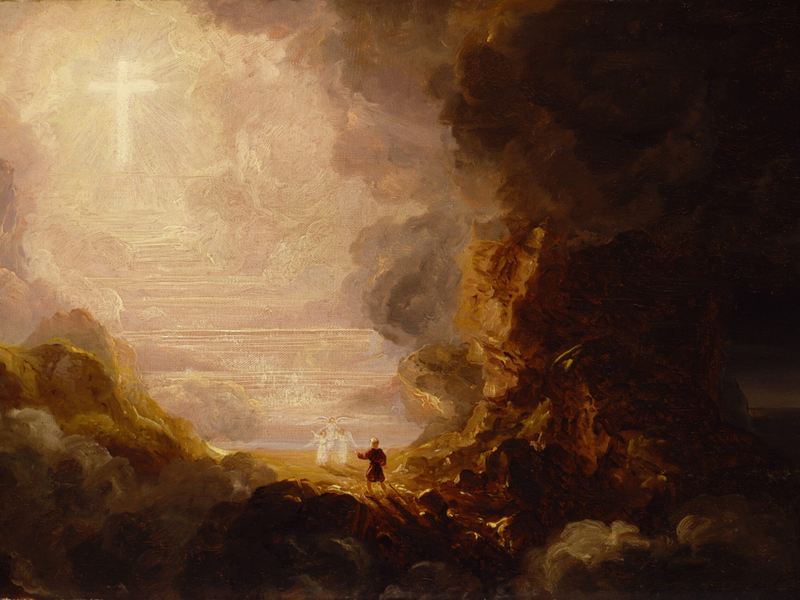
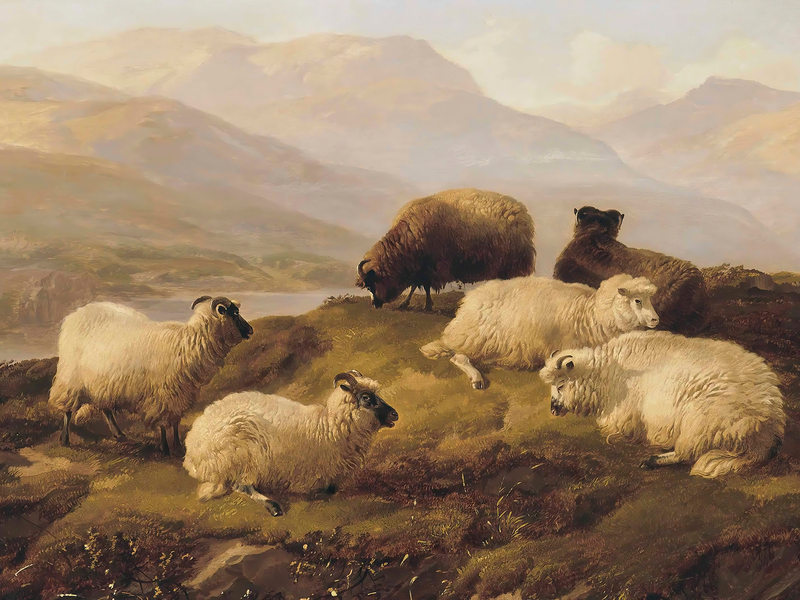
The Bible depicts Man’s transformation from beas t to priest in and through Jesus Christ. Two sets of people have their garments designed by God in the Torah: Adam and Eve and priests (of which the High Priest’s garments garner most attention). The first garment is beastly, while the second…

by Ben LoveladyApril 19, 2023
523501ldsdl
Church Government

The Rise and Dangers of Presbyterialism

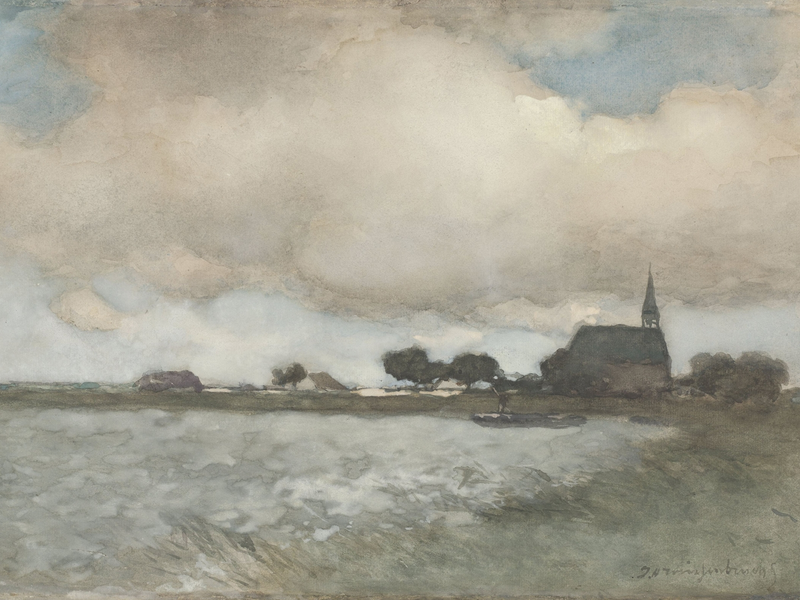
I became the pastor of Westminster Bible Church in Bowling Green, Kentucky soon after completing my Ph.D. in church history. On paper, it was the ideal church for me. Even the name, I thought smacked of my preferences: the Westminster Confession with idealistic Biblicism. I didn’t know it had been,…

by John CarpenterApril 11, 2023
509477ldsdl
Luke

An Easter Meditation

Why do we believe in the resurrection of Jesus? It itself, it is utterly unbelievable, as the two disciples on the road to Emmaus also concluded (Luke 24:19-24). But why is it so unbelievable? Are there not many stories of a dead man or woman coming back to life? Stories…

by Ralph Allan SmithApril 9, 2023
screen-shot-2023-04-04-at-5-01-54-pm
Hope

Political Hope in the Negative World (Part 2)

In the first installment of this two-part essay, we provided a rough outline of a thick theological account of Christian hope. We concluded with mention of important critiques of such traditional views on hope, that by orienting Christians to place their ultimate hope in God and the future consummation of…

by James WoodApril 5, 2023
john-towner-3kv48ns4wuu-unsplash
Hope

Political Hope in the Negative World (Part 1)

Dare we hope in the midst of “ negative world ”? The idea of the “negative world” has recently served as a helpful framework for many to come to terms with the fact that Western societies (particularly the United States) are aggressively turning against their Christian roots and moral values.…

by James WoodMarch 28, 2023
frankie-lopez-yct5sucy6c0-unsplash
Biblical Studies

Luke’s Gospel of Seven

In his prologue, Luke tells us that his gospel history is an “orderly account” (1:3). Although generally chronological, time is not the only or the main organizing principle for his history. To argue for Luke’s main theme would take up too much space, but instead I want to explore one…

by Ryan HandermannMarch 24, 2023

Showing page 32 of 309

See all

Showing page 6 of 43

See all
Philosophy

Heidegger in his woods

Latour is tired of being accused of having forgotten Being, and offers this clever brush-off of Heidegger: “If, scorning empiricism, you opt out of the exact sciences, then the human sciences,, then traditional philosophy, then the sciences of language, and you hunker down in your forest - then you will…

November 15, 2006
History

Semi-modernism

Postmoderns, Latour suggests, think they are still modern, but in fact they have greatly oversimplified the modern Constitution. Postmoderns might emphasize the separation of subject and world, and stretch that opposition to a breaking point (Latour vividly describes them as doing the splits to keep subject and world apart); but…

November 15, 2006
History

Modern temporality

In his very good section on modern temporality, Latour argues that modernity assumes that everything in the present, modern moment, is purely modern, novel. Anything that appears that is not up-to-date is a “archaism,” and moderns worry constantly that this or that event or trend might “turn back the clock.”…

November 15, 2006
History

Representation

One of the key moves made since the 17th century, Latour argues, is a distinction between modes of “representation.” In the laboratory Boyle is representing things before selected witnesses through scientific experiments, giving mute nature a voice through the scientist, while in politics Hobbes suggests that the Sovereign speaks for…

November 15, 2006
History

We Have Never Been Modern

Bruno Latour’s We Have Never Been Modern (Harvard 1993) is a rich study. He describes modernity in terms of a dual process of “purification” and “hybridization.” Purification involves the clean construction of a nature (and science) separated off from society and the self, while hybridization involves mixtures of nature and…

November 15, 2006

Tears of things

And/Or: Virgil is aware that the furor of civil war can be curbed only by an opposing, and more intense, furor. That, as Milbank says, is the way of paganism - peace established only by superior violence against violence. But in those tears Virgil expresses the the painful recognition -…

November 13, 2006

Showing page 1763 of 2212

Browse by Category

In Medias Res

Your weekly digest for all things Theopolis.

Donate

Theopolis is nearly 100% donor-supported. Consider joining us on our mission.