Theopolis Logo

Writing

Explore our collection of theological essays, biblical studies, and reflections on faith and culture.

See all
screen-shot-2020-03-05-at-9-00-10-am
Motherhood

Raising Children in a Gender Confused World

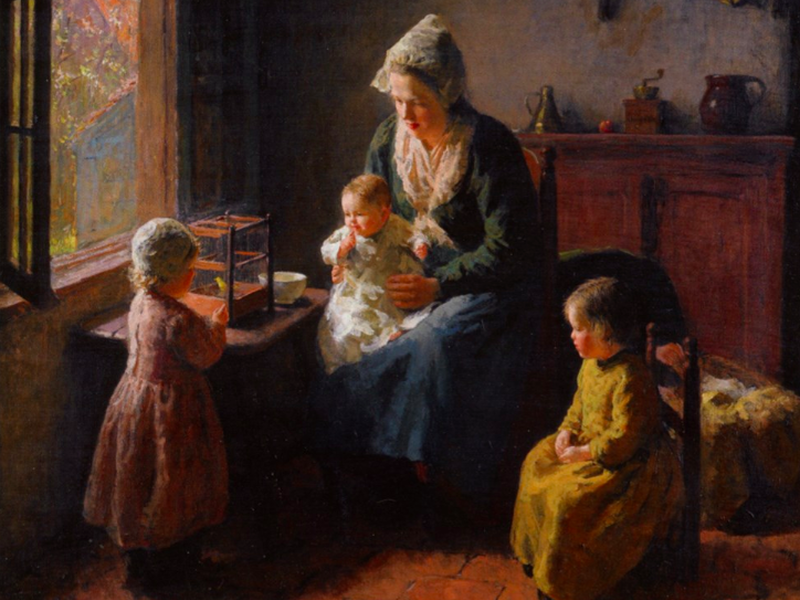
Raising children in a world that is increasingly rebellious against God-given gender is quite a challenge. I believe that every generation has their own unique challenges to face, and LGBTQ is ours. It is the movement that steals our terminology (love, kindness, community) and our symbol of promise (the rainbow)…

by Lindsey TollefsonJune 29, 2021
herode-tissot-crop
2 Thessalonians

The Lawless Man: When Christ Exposed a Conspiracy

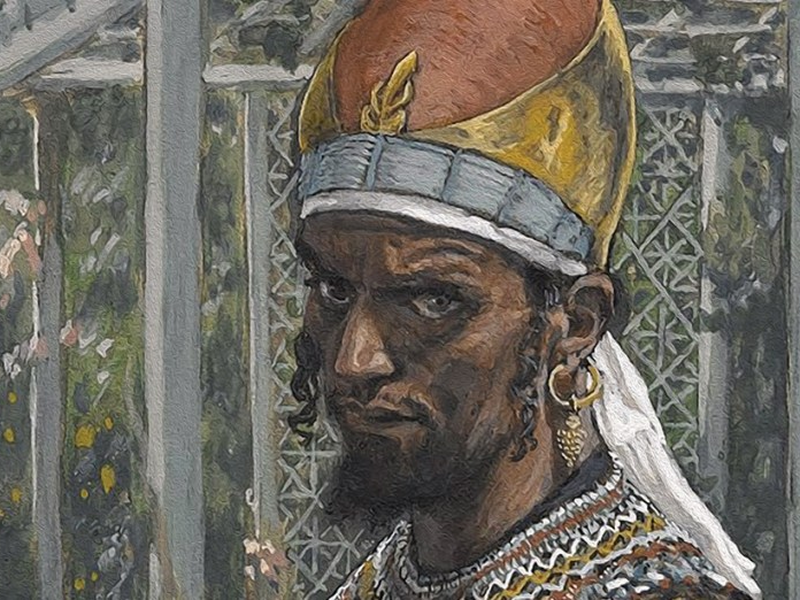
While there are many tricky verses in the Bible, it’s clear that some of them were never intended to give us so much trouble. Paul’s mysterious mention of the “restrainer” in 2 Thessalonians 2 is a perfect example, but perhaps we have been looking at it the wrong way. Reading…

by Mike BullJune 22, 2021
mark-rabe-p0gsveiycqu-unsplash
Christian Nationalism

Catholicity, the Church, and Christian Nationalism?

A common assumption of those most critical of “Christian nationalism” is that such a conception is inherently racist and opposed to the universal nature of the Christian faith. Many argue that Christian nationalism undermines a catholic sensibility by tethering Christianity to the particularities of the nation, and usually to a…

by James WoodJune 17, 2021
paul-the-apostle-epistle-prison-ephesians
Galatians

Ahab in Galatia

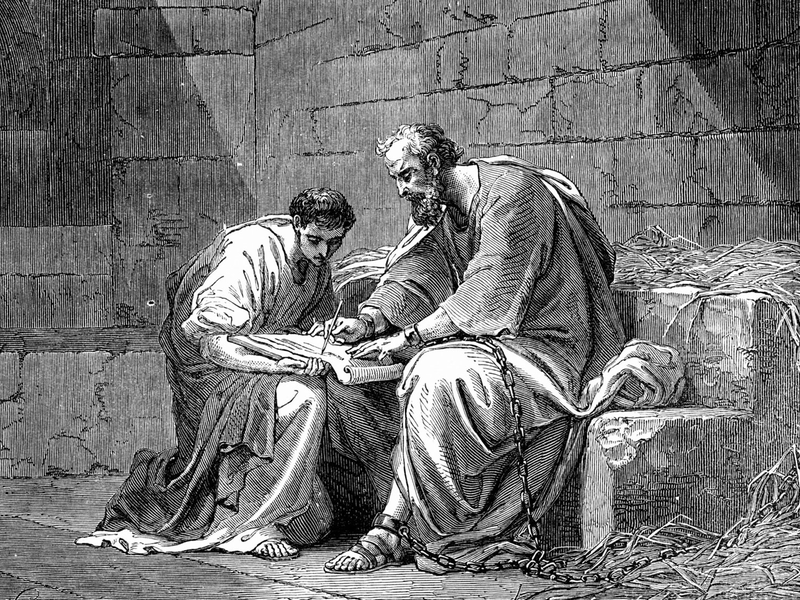
In his letter to the Galatians, Paul speaks of those who “trouble” their congregations: “[T]here are some who trouble you and want to distort the gospel of Christ” (1:7). 1 The word “trouble” caught my attention here, because in 1 Kings 18:17, King Ahab refers to Elijah the prophet as…

by Daniel HoffmanJune 15, 2021
margaux-bellott-r5tmusupjwa-unsplash
American Culture

What To Do When Your Boss Encourages You To Support The Moral Revolution

Many Christians find themselves working for businesses or corporations that encourage compliance with the moral revolution. Perhaps their company wants them to participate in gay pride month. Perhaps they require employees to use the preferred gender pronouns of their co-workers. Or maybe they require them to sign a statement affirming…

by Jason CherryJune 11, 2021
tim-marshall-k2u71wv2ei4-unsplash-1
Matthew

Masculinity in Jesus and John

“For John came neither eating nor drinking, and they say, He hath a devil. The Son of man came eating and drinking, and they say, Behold a man gluttonous, and a winebibber, a friend of publicans and sinners. But wisdom is justified of her children.” – Matthew 11:18-19 When conservative…

by Matthew CarpenterJune 10, 2021

Showing page 54 of 309

See all

Showing page 6 of 43

See all
Philosophy

Heidegger in his woods

Latour is tired of being accused of having forgotten Being, and offers this clever brush-off of Heidegger: “If, scorning empiricism, you opt out of the exact sciences, then the human sciences,, then traditional philosophy, then the sciences of language, and you hunker down in your forest - then you will…

November 15, 2006
History

Semi-modernism

Postmoderns, Latour suggests, think they are still modern, but in fact they have greatly oversimplified the modern Constitution. Postmoderns might emphasize the separation of subject and world, and stretch that opposition to a breaking point (Latour vividly describes them as doing the splits to keep subject and world apart); but…

November 15, 2006
History

Modern temporality

In his very good section on modern temporality, Latour argues that modernity assumes that everything in the present, modern moment, is purely modern, novel. Anything that appears that is not up-to-date is a “archaism,” and moderns worry constantly that this or that event or trend might “turn back the clock.”…

November 15, 2006
History

Representation

One of the key moves made since the 17th century, Latour argues, is a distinction between modes of “representation.” In the laboratory Boyle is representing things before selected witnesses through scientific experiments, giving mute nature a voice through the scientist, while in politics Hobbes suggests that the Sovereign speaks for…

November 15, 2006
History

We Have Never Been Modern

Bruno Latour’s We Have Never Been Modern (Harvard 1993) is a rich study. He describes modernity in terms of a dual process of “purification” and “hybridization.” Purification involves the clean construction of a nature (and science) separated off from society and the self, while hybridization involves mixtures of nature and…

November 15, 2006

Tears of things

And/Or: Virgil is aware that the furor of civil war can be curbed only by an opposing, and more intense, furor. That, as Milbank says, is the way of paganism - peace established only by superior violence against violence. But in those tears Virgil expresses the the painful recognition -…

November 13, 2006

Showing page 1763 of 2212

Browse by Category

In Medias Res

Your weekly digest for all things Theopolis.

Donate

Theopolis is nearly 100% donor-supported. Consider joining us on our mission.