Theopolis Logo

Writing

Explore our collection of theological essays, biblical studies, and reflections on faith and culture.

See all
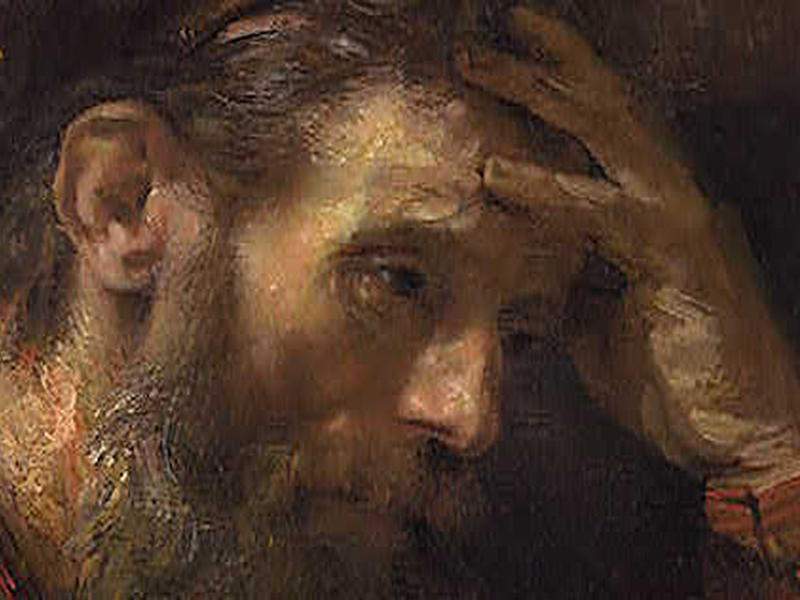
paul-rembrandt
Apostle Paul

Paul Among the People

We've all heard it, too often to count. The Apostle Paul was a misgynistic homophobic pro-slavery authoritarian, probably a repressed homosexual himself, the first Puritan - Puritan here defined as "someone who cannot sleep if someone in the world is having fun." To call this a caricature is too generous.…

by Peter LeithartAugust 28, 2018
img_1043
How to Worship

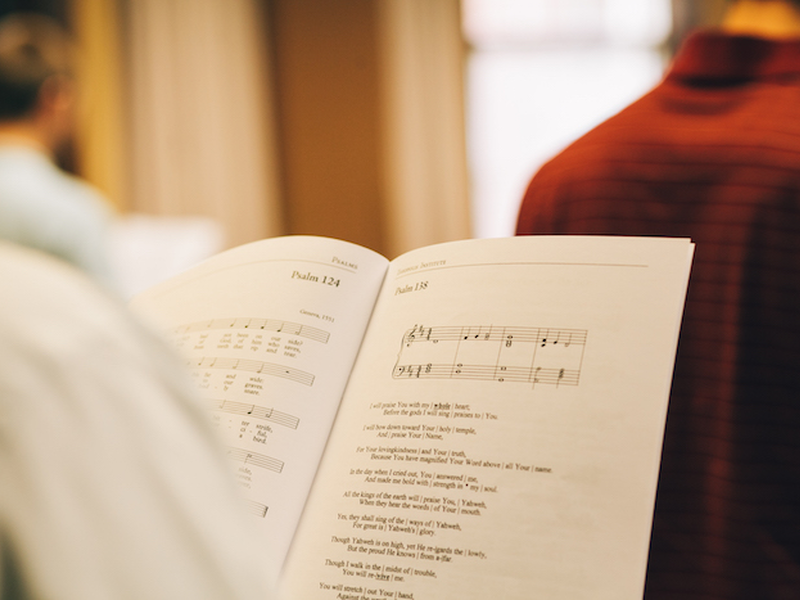
Psalms for Exile: The Narrative Progression in the Fifth Book of the Psalter

Some of our forefathers believed in reading/singing the psalms in order. Today, when the psalms are even used at all, they tend to be used randomly, though sometimes tied to a church calendar or to the pastor’s sermon. The Bible does not bind us to any particular practice, but there…

by James B. JordanAugust 23, 2018
screen-shot-2018-08-21-at-7-30-52-am
1 Corinthians

The Rock That Followed Them

". . . and all drank the same spiritual drink, for they were drinking from a spiritual rock that followed them; and the rock was Christ" (1 Corinthians 10:4). Paul’s passing comment about the rock that followed the Israelites in the wilderness has often been treated as a bit of…

by Peter LeithartAugust 21, 2018
sixteen-miles-out-al48tflf4e8-unsplash
Biblical Theology

Hezekiah’s Sign

The story of Hezekiah’s illness and recovery is familiar to every child who has attended Sunday School. Informed that he would die, faithful King Hezekiah pleaded in tears for a longer life. God heard his prayers and saw his tears, and promised fifteen more years. As a sign that He…

by Peter LeithartAugust 16, 2018
sunshine
Movies

The Last Man: Herod and Jesus in “Sunshine”

When viewed as an allegory of biblical history, the controversial third act of Danny Boyle’s gripping sci-fi adventure is transformed from an illogical divergence into a blinding revelation. The following analysis contains spoilers for the movie “Sunshine.” The Creation Week is the elementary type that orders everything God has said…

by Mike BullAugust 14, 2018
resveralife-night-blooming-cereus-1014x487
Epistemology

Seeking Integration in a Fragmented World: Integration…and Things

In my last post , I told you the story of my current desire to understand philosopher D.C. Schindler’s metaphysical work. With this post, I start in to the venture. I begin by reflecting on what it is to be a thing. This matter always makes me laugh, and makes…

by Esther Lightcap MeekAugust 9, 2018

Showing page 89 of 309

See all

Showing page 6 of 43

See all
Philosophy

Heidegger in his woods

Latour is tired of being accused of having forgotten Being, and offers this clever brush-off of Heidegger: “If, scorning empiricism, you opt out of the exact sciences, then the human sciences,, then traditional philosophy, then the sciences of language, and you hunker down in your forest - then you will…

November 15, 2006
History

Semi-modernism

Postmoderns, Latour suggests, think they are still modern, but in fact they have greatly oversimplified the modern Constitution. Postmoderns might emphasize the separation of subject and world, and stretch that opposition to a breaking point (Latour vividly describes them as doing the splits to keep subject and world apart); but…

November 15, 2006
History

Modern temporality

In his very good section on modern temporality, Latour argues that modernity assumes that everything in the present, modern moment, is purely modern, novel. Anything that appears that is not up-to-date is a “archaism,” and moderns worry constantly that this or that event or trend might “turn back the clock.”…

November 15, 2006
History

Representation

One of the key moves made since the 17th century, Latour argues, is a distinction between modes of “representation.” In the laboratory Boyle is representing things before selected witnesses through scientific experiments, giving mute nature a voice through the scientist, while in politics Hobbes suggests that the Sovereign speaks for…

November 15, 2006
History

We Have Never Been Modern

Bruno Latour’s We Have Never Been Modern (Harvard 1993) is a rich study. He describes modernity in terms of a dual process of “purification” and “hybridization.” Purification involves the clean construction of a nature (and science) separated off from society and the self, while hybridization involves mixtures of nature and…

November 15, 2006

Tears of things

And/Or: Virgil is aware that the furor of civil war can be curbed only by an opposing, and more intense, furor. That, as Milbank says, is the way of paganism - peace established only by superior violence against violence. But in those tears Virgil expresses the the painful recognition -…

November 13, 2006

Showing page 1763 of 2212

Browse by Category

In Medias Res

Your weekly digest for all things Theopolis.

Donate

Theopolis is nearly 100% donor-supported. Consider joining us on our mission.