Theopolis Logo

Writing

Explore our collection of theological essays, biblical studies, and reflections on faith and culture.

See all
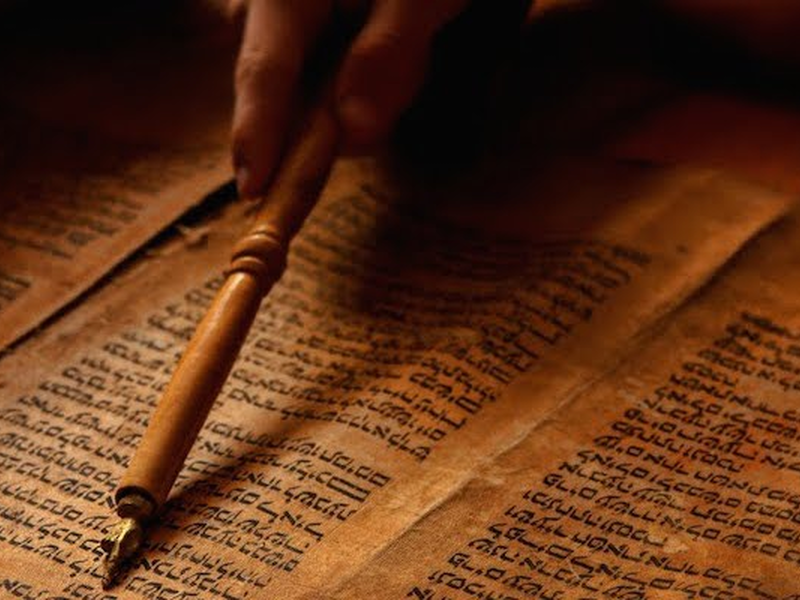
hebrew-manuscript-2
Atonement

Footstool of His Feet

The translation and theology of the Hebrew term kapporet have long been puzzling to scholars. On the translation of the term, I have nothing new to offer. I wish instead to concentrate on the theological symbolism of the kapporet . The kapporet was the solid gold slab that laid "above"…

by Peter LeithartMarch 9, 2017

screen-shot-2016-03-31-at-9-32-11-am
Art

The Hermeneutics of Haiku

“Three lines are enough” -Rabindranath Tagore My second favorite((I frequently use the “my second favorite” as a figure of speech meaning: “here’s a good one” and to also prompt the question, “What’s your first favorite?”)) haiku was written by some internet wag: Haikus are easy But sometimes they don’t make…

by Remy WilkinsMarch 7, 2017
neon-bible
Biblical Studies

The Scriptures Made Strange

The history of the Reformation couldn’t adequately be recounted without discussing the remarkable role played by the relatively recent innovations and developments in book production and printing. The printing press facilitated the rapid production and dissemination of multiple copies of pamphlets and books, which enabled the Reformers to circulate their…

by Alastair RobertsMarch 2, 2017
cross-grunwald
Church Calendar

School of Suffering

As evangelicals, we’re convinced that Christ’s work is finished, complete, and utterly sufficient. For many evangelicals, this is the gospel: Nothing can take away from Christ’s work, and surely nothing can be added to it by my works or my penance, by self-denial or sacraments or sacrifice. Nothing is lacking…

by Peter LeithartFebruary 28, 2017
img_0166
Eucharist

Worship and Ceremony: Part 1

Evangelicalism needs a return to formal and Biblical worship. Worship is a public act, performed on the surface of God's true altar, the world, before His throne. Man's chief end is to glorify and enjoy God, and worship is done for God's pleasure. It is man's highest privilege to dance…

by James B. JordanFebruary 23, 2017
paul
Romans

Grace Reigns In Death

The evidence of sin and its death ruling in the world is clear. Paul describes the situation vividly in the opening section of his letter to the Romans. No matter who you are, Jew or Gentile, you have the same problem: you are “under sin” (Romans 3:9). Being under sin…

by Bill SmithFebruary 21, 2017

Showing page 116 of 309

See all

Showing page 6 of 43

See all
Literature

The Politics of Playing

Plays might be promoted as a kind of opiate of the masses: Mass entertainment that keeps them from more violent entertainments like rioting and pillaging. This could be problematic, if the entertainments were too heady for most people to follow. Thomas Heywood (1612) suggested that playwrights should “ayme . .…

September 28, 2006
Literature

Shakespeare regulated

How regulated was Shakespeare’s own theater? And for what reasons? Patterson highlights various reasons for closing or permitting theaters: audience composition, including the fear that a large collection of workers might be distruptive; public health; economic concerns; religious and moral concerns, especially Sabbatarian; and “a shifting and elusive imperative to…

September 28, 2006
Literature

American Shakespeare

Shakespeare’s fortunes in the US were, understandably, different from in England. Initially, Shakespeare was America’s most popular playwright, appealing to a wide sector of the American populace. Patterson notes that “by the end of the nineteenth century ‘Shakespeare’ had become a cultural icon, the property only of the ‘legitimate theater,’…

September 28, 2006
Literature

Popular Shakespeare

Annabel Patterson notes ( Shakespeare and the Popular Voice ) that contemporary critics, whatever their own political outlook, assume that Shakespeare was an advocate of Elizabethan hierarchy. This view, however, is a product of the 19th century. Dryden, Johnson, and others criticize Shakespeare for violating the conventions of his genre,…

September 28, 2006
Literature

Courtly Shakespeare, IV

By the 18th century, acting styles also invested Shakespeare with “courtly” virtues of control, dignity, stateliness. Dobson writes, “Shakespearian acting . . . in the decades following Betterton’s death in 1710, seems to have settled into a grandiloquent vein of static declamation, best exemplified by the stout James Quin (1693-1766)…

September 28, 2006
Literature

Courtly Shakespeare, III

Dobson again: “after Charles II’s death in 1685 England would never again have another monarch with such an informed interest in the drama (or, mercifully, such a lascivious one), and deprived of royal patronage and protection the playhouses came under renewed attack from the moralists (led by the redoubtable clergyman…

September 28, 2006

Showing page 1785 of 2212

Browse by Category

In Medias Res

Your weekly digest for all things Theopolis.

Donate

Theopolis is nearly 100% donor-supported. Consider joining us on our mission.