Theopolis Logo

Writing

Explore our collection of theological essays, biblical studies, and reflections on faith and culture.

See all
tom-bradley-eoiscqxpmkm-unsplash
Liturgy

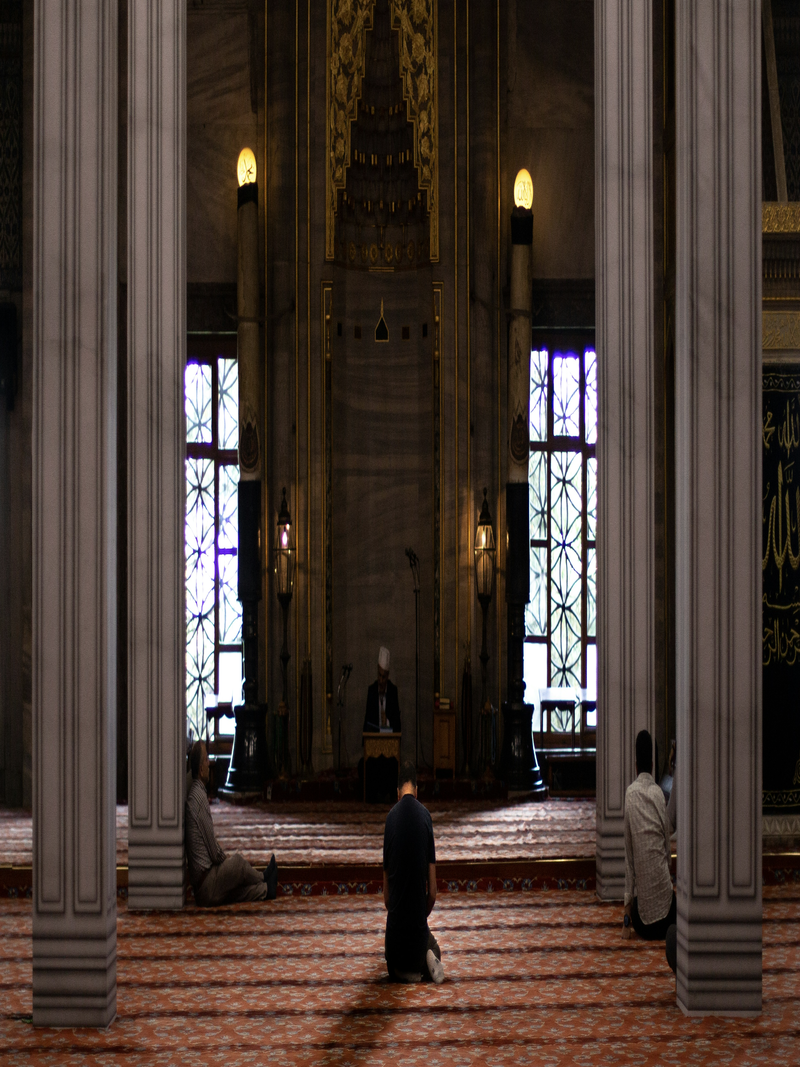
The Temple Singers

Who were the company of singers who sang in the Temple built by Solomon? I think many people might answer “the Levitical singers.” That is not correct, because the Levites were not allowed inside the Temple; only the priests were. The Levitical choir and orchestra performed for Yahweh outside the…

by James B. JordanJuly 2, 2015
same-sex-celebrations-2
Homosexuality

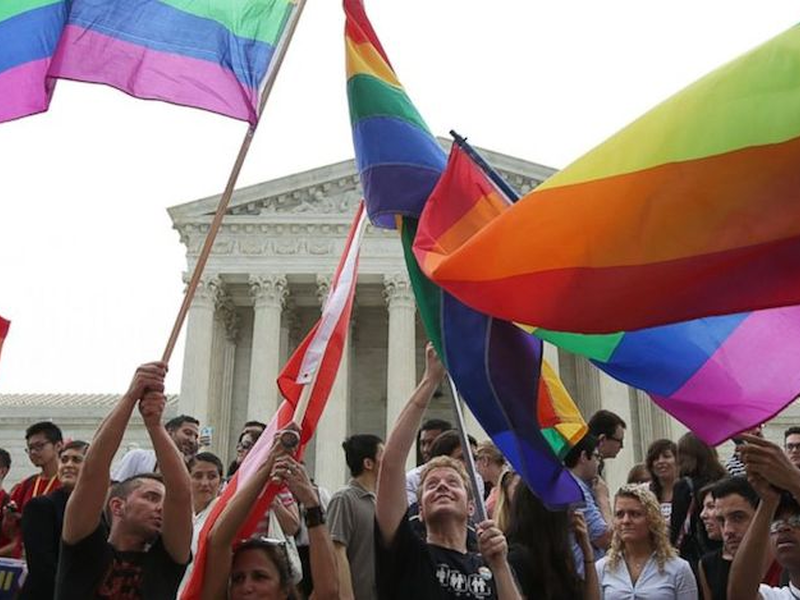
After Obergefell - A Pastoral Letter

Dear Congregation, Social media is awash with rants for and against the ruling from the Supreme Court (SCOTUS) yesterday regarding homosexual marriage ( Obergefell v. Hodges ). My contribution on Facebook was simply to quote relevant sections of the dissents written by the four judges in the minority. Even though…

by Jeff MeyersJuly 1, 2015
egyptian-slaves
Biblical Law

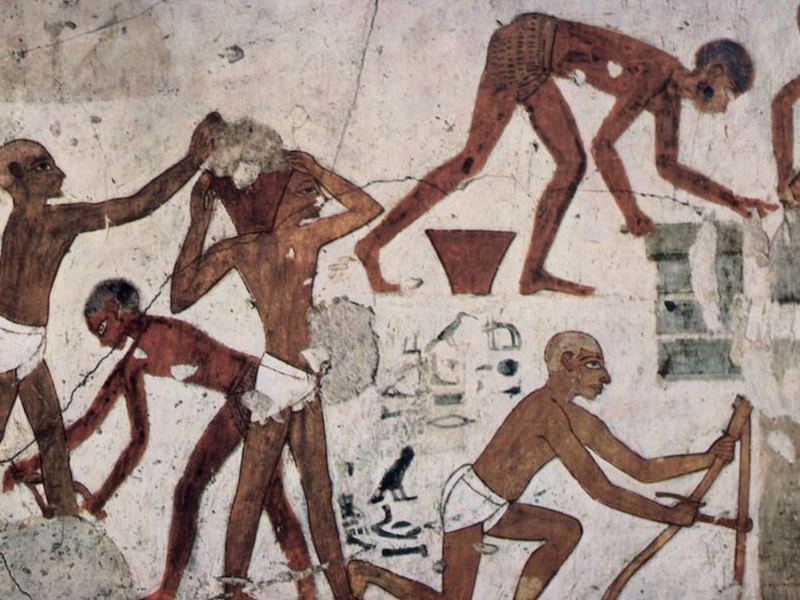
Law and Imagination

After the Civil War, the hobbled nation and fractured races looked about for leadership; animosity was high and envy was crouching at the door. Booker Taliaferro Washington, up from slavery, surveyed the rising tension and injustice, foreseeing civil unrest and chafing inequalities, eschewed, remarkably, a legislative remedy and advised a…

by Remy WilkinsJune 30, 2015
same-sex-celebration
Homosexuality

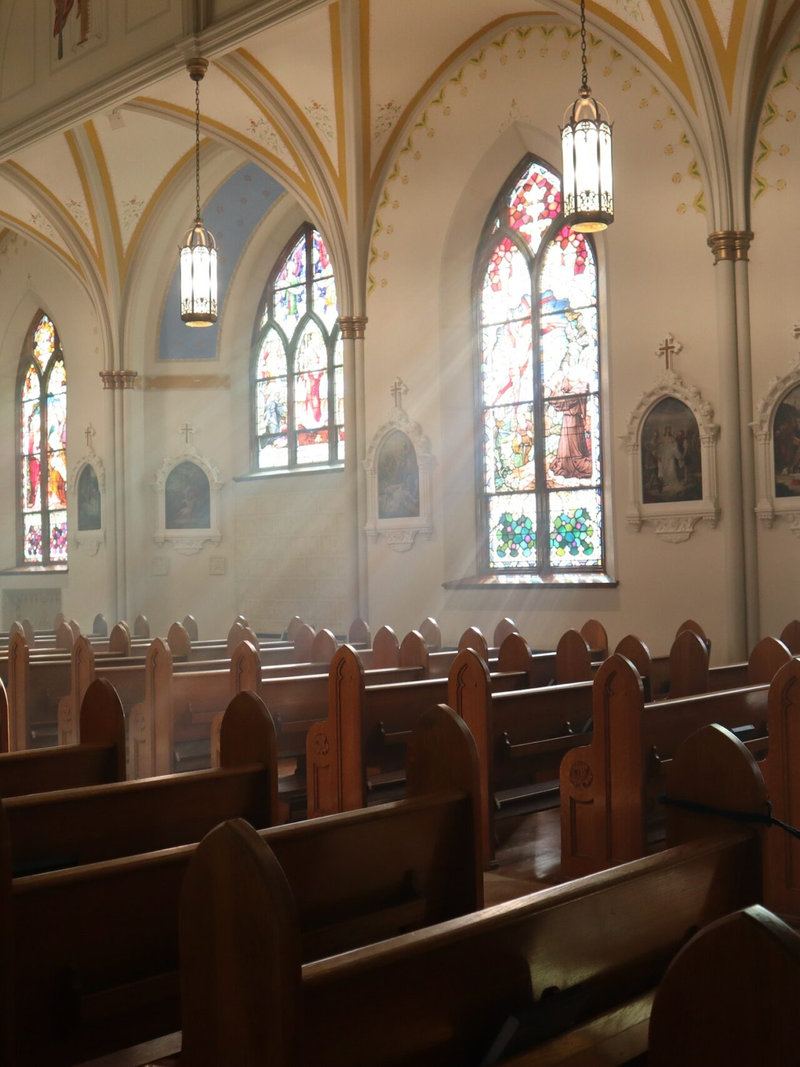
They Played the Flute for Me - But I Couldn't Dance

The ruling on Obergefell v. Hodges “came down” on Friday morning, June 26, 2015, like a bolt from Zeus. Many who refuse to bow to the dictates of our Olympians will write trenchant legal, theological, and cultural/political analyses of the court’s ruling. What I’m comfortable contributing to the historical record,…

by Jonathan BarlowJune 29, 2015
stonewall
American Culture

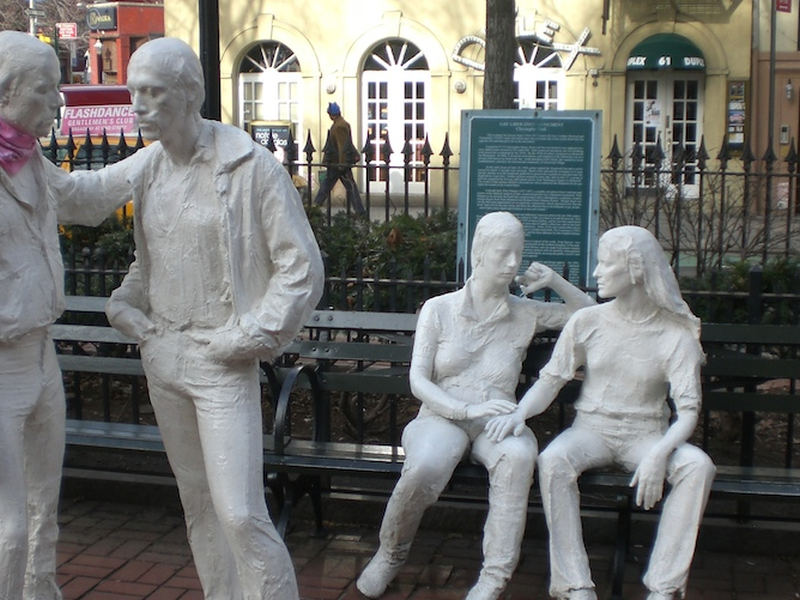
After Obergefell

Orthodox Christianity has lost all cultural potency in the U.S. No one defending traditional marriage before the court dared raise the fundamental question: Who creates marriage, God or the state? Theology has no public standing, no persuasive force in the culture at large. Obergefell is another nail in the coffin…

by Peter LeithartJune 27, 2015
photikus-production-mvh_6_yq7uo-unsplash
Poetry

Dust of Snow

One will rarely come upon a classical allusion in a Robert Frost poem. His poetic scheme was to follow the speaking patterns of common folk, to use their words and images to achieve his point. Despite this simplicity, there is a depth and richness to his poetry that can be…

by Remy WilkinsJune 25, 2015

Showing page 150 of 309

See all

Showing page 6 of 43

See all
Literature

The Politics of Playing

Plays might be promoted as a kind of opiate of the masses: Mass entertainment that keeps them from more violent entertainments like rioting and pillaging. This could be problematic, if the entertainments were too heady for most people to follow. Thomas Heywood (1612) suggested that playwrights should “ayme . .…

September 28, 2006
Literature

Shakespeare regulated

How regulated was Shakespeare’s own theater? And for what reasons? Patterson highlights various reasons for closing or permitting theaters: audience composition, including the fear that a large collection of workers might be distruptive; public health; economic concerns; religious and moral concerns, especially Sabbatarian; and “a shifting and elusive imperative to…

September 28, 2006
Literature

American Shakespeare

Shakespeare’s fortunes in the US were, understandably, different from in England. Initially, Shakespeare was America’s most popular playwright, appealing to a wide sector of the American populace. Patterson notes that “by the end of the nineteenth century ‘Shakespeare’ had become a cultural icon, the property only of the ‘legitimate theater,’…

September 28, 2006
Literature

Popular Shakespeare

Annabel Patterson notes ( Shakespeare and the Popular Voice ) that contemporary critics, whatever their own political outlook, assume that Shakespeare was an advocate of Elizabethan hierarchy. This view, however, is a product of the 19th century. Dryden, Johnson, and others criticize Shakespeare for violating the conventions of his genre,…

September 28, 2006
Literature

Courtly Shakespeare, IV

By the 18th century, acting styles also invested Shakespeare with “courtly” virtues of control, dignity, stateliness. Dobson writes, “Shakespearian acting . . . in the decades following Betterton’s death in 1710, seems to have settled into a grandiloquent vein of static declamation, best exemplified by the stout James Quin (1693-1766)…

September 28, 2006
Literature

Courtly Shakespeare, III

Dobson again: “after Charles II’s death in 1685 England would never again have another monarch with such an informed interest in the drama (or, mercifully, such a lascivious one), and deprived of royal patronage and protection the playhouses came under renewed attack from the moralists (led by the redoubtable clergyman…

September 28, 2006

Showing page 1785 of 2212

Browse by Category

In Medias Res

Your weekly digest for all things Theopolis.

Donate

Theopolis is nearly 100% donor-supported. Consider joining us on our mission.