Theopolis Logo

Writing

Explore our collection of theological essays, biblical studies, and reflections on faith and culture.

See all
brian-moats-2
Theopolis News

Meet Brian Moats

Theopolis is delighted to announce that we have hired Brian Moats as Assistant to President Peter Leithart. An Alabama native and graduate of Boyce College in Louisville, Brian is a professional photographer who has also worked as a salesman and dispatcher for Charter Communications and Wayne's Environmental Services. Brian and…

by TheopolisJune 10, 2015
theopolis-liturgy
History

Christians, Liturgy, and the Past, (Part 1)

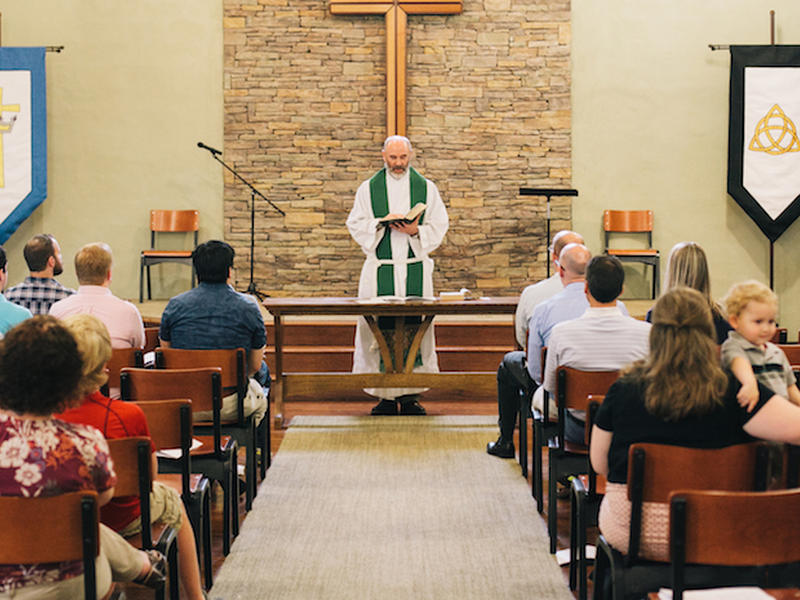
Over the last few years, I have had frequent cause to return to the question of the ways in which the past and its forms of liturgy should be handled within the Church today. Keeping faith with the past is seldom as straightforward an endeavour as it might initially appear,…

by Alastair RobertsJune 9, 2015
medievalilluminatedmanuscript
Hermeneutics

The Dramatic Structure of Proverbs

The book of Proverbs appears as a largely random collection of aphorisms drawn from experience saturated in law. Despite its random arrangement, however, the book does have an over-arching structure that reinforces its main themes. One way to gather clues regarding the structure of a biblical book (or any book)…

by Peter LeithartJune 4, 2015
milwaukee
Charity

Mission to Milwaukee

Prior to attending the week-long intensive course on Holistic Mission, my wife and I were living two counties away from Milwaukee, in the comfortably quiet and rural village of Slinger, Wisconsin. In God’s providence, after nearly ten years of living in Slinger, we realized some changes to our comfortable and…

by Jonathan SedlakJune 2, 2015
james-coleman-orks2dpueo0-unsplash
Bonaventure

One Body and One Loaf: Eucharistic Unity Through the Theology of St. Bonaventure

I have many Roman Catholic friends. Leading from my time at Saint Louis University and continuing through various scholarly engagements I often get an opportunity to discuss history and theology with Roman Catholics who are very well educated in their tradition and practice, some of whom are leading scholars in…

by Timothy LeCroyMay 28, 2015
107394ab
Theopolis News

Music in Life and Liturgy

Theopolis ended its second year of operation with its Pentecost Term course on Music in Life and Liturgy last week. Co-taught by Ken Myers of Mars Hill Audio and scholar-in-residence James Jordan, the Music course was the largest Theopolis course yet. Sixteen pastors, seminary students, and music ministers from nine…

by TheopolisMay 26, 2015

Showing page 152 of 309

See all

Showing page 6 of 43

See all
Literature

The Politics of Playing

Plays might be promoted as a kind of opiate of the masses: Mass entertainment that keeps them from more violent entertainments like rioting and pillaging. This could be problematic, if the entertainments were too heady for most people to follow. Thomas Heywood (1612) suggested that playwrights should “ayme . .…

September 28, 2006
Literature

Shakespeare regulated

How regulated was Shakespeare’s own theater? And for what reasons? Patterson highlights various reasons for closing or permitting theaters: audience composition, including the fear that a large collection of workers might be distruptive; public health; economic concerns; religious and moral concerns, especially Sabbatarian; and “a shifting and elusive imperative to…

September 28, 2006
Literature

American Shakespeare

Shakespeare’s fortunes in the US were, understandably, different from in England. Initially, Shakespeare was America’s most popular playwright, appealing to a wide sector of the American populace. Patterson notes that “by the end of the nineteenth century ‘Shakespeare’ had become a cultural icon, the property only of the ‘legitimate theater,’…

September 28, 2006
Literature

Popular Shakespeare

Annabel Patterson notes ( Shakespeare and the Popular Voice ) that contemporary critics, whatever their own political outlook, assume that Shakespeare was an advocate of Elizabethan hierarchy. This view, however, is a product of the 19th century. Dryden, Johnson, and others criticize Shakespeare for violating the conventions of his genre,…

September 28, 2006
Literature

Courtly Shakespeare, IV

By the 18th century, acting styles also invested Shakespeare with “courtly” virtues of control, dignity, stateliness. Dobson writes, “Shakespearian acting . . . in the decades following Betterton’s death in 1710, seems to have settled into a grandiloquent vein of static declamation, best exemplified by the stout James Quin (1693-1766)…

September 28, 2006
Literature

Courtly Shakespeare, III

Dobson again: “after Charles II’s death in 1685 England would never again have another monarch with such an informed interest in the drama (or, mercifully, such a lascivious one), and deprived of royal patronage and protection the playhouses came under renewed attack from the moralists (led by the redoubtable clergyman…

September 28, 2006

Showing page 1785 of 2212

Browse by Category

In Medias Res

Your weekly digest for all things Theopolis.

Donate

Theopolis is nearly 100% donor-supported. Consider joining us on our mission.