Theopolis Logo

Writing

Explore our collection of theological essays, biblical studies, and reflections on faith and culture.

See all
screenshot-2024-10-15-at-10-54-38-am
Romans

Robbing Temples

Paul writes to Jews, “You who abhor idols, do you rob temples?” (Romans 2:22b) The English translation “rob temples” makes readers think of pagan temples. There was only one Temple for Israel, so robbing more than one would indicate other temples are in view. And if the Jews wanted to…

by Mark HorneOctober 15, 2024
screenshot-2024-10-03-at-12-59-20-pm
Genesis

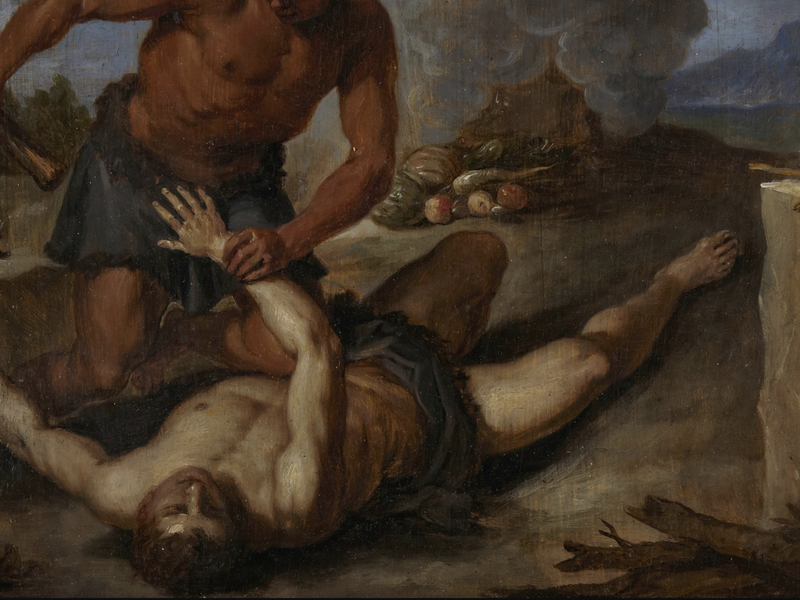
Regarding Abel’s Offering

Two offerings Humanity’s first vocation involves guarding and serving the trees that emerge from the ground (Genesis 2:15). God provides these trees to humanity for food. A serpent appears and tempts the couple to eat from a special forbidden tree, the tree of the knowledge of good and evil. Humanity…

by Scott FairbanksOctober 3, 2024
jeremy-thomas-e0ahdsenmdg-unsplash
Hermeneutics

The Trinity and Cross in Creation

At the outset of the Torah (as Christians understand it), a triune God creates the heavens and earth over the course of a seven-day week. Why? What’s the connection between the three and the seven? Could a triune God have created the world over any period of time he chose?…

by James BejonOctober 1, 2024
dan-edwards-sid-lmfxsdu-unsplash
Deuteronomy

Axe Heads and Parapets: Legal Edge Cases?

How relevant to the modern reader are the flying axe head of Deuteronomy 19:5 and the roof parapet of Deuteronomy 22:8? Indeed, how relevant were they to the daily lives of Israelites thirty-five hundred years ago? Suppose that accidental falls from rooftops were exceedingly uncommon in ancient Israel, or that…

by Josh JensenSeptember 24, 2024
matt-cramblett-fbg4owazcd8-unsplash
Political Theology

The Church Builds the World

1 For most of my life, the standing of the American church as a source of national social and political order was measured by reports from the front of the so-called “culture wars.” 2 Memory brings to mind battles over feminism and the ERA, so-called gay rights, the breakdown of…

by Gary YoungSeptember 17, 2024
sixteen-miles-out-al48tflf4e8-unsplash
Matthew

That He would be called a Nazarene

But when Herod died, behold, an angel of the Lord appeared in a dream to Joseph in Egypt, saying, ‘Rise, take the child and his mother and go to the land of Israel…’ And he went and lived in a city called Nazareth, so that what was spoken by the…

by Lyndon JostSeptember 10, 2024

Showing page 17 of 309

See all

Showing page 6 of 43

See all
Literature

The Politics of Playing

Plays might be promoted as a kind of opiate of the masses: Mass entertainment that keeps them from more violent entertainments like rioting and pillaging. This could be problematic, if the entertainments were too heady for most people to follow. Thomas Heywood (1612) suggested that playwrights should “ayme . .…

September 28, 2006
Literature

Shakespeare regulated

How regulated was Shakespeare’s own theater? And for what reasons? Patterson highlights various reasons for closing or permitting theaters: audience composition, including the fear that a large collection of workers might be distruptive; public health; economic concerns; religious and moral concerns, especially Sabbatarian; and “a shifting and elusive imperative to…

September 28, 2006
Literature

American Shakespeare

Shakespeare’s fortunes in the US were, understandably, different from in England. Initially, Shakespeare was America’s most popular playwright, appealing to a wide sector of the American populace. Patterson notes that “by the end of the nineteenth century ‘Shakespeare’ had become a cultural icon, the property only of the ‘legitimate theater,’…

September 28, 2006
Literature

Popular Shakespeare

Annabel Patterson notes ( Shakespeare and the Popular Voice ) that contemporary critics, whatever their own political outlook, assume that Shakespeare was an advocate of Elizabethan hierarchy. This view, however, is a product of the 19th century. Dryden, Johnson, and others criticize Shakespeare for violating the conventions of his genre,…

September 28, 2006
Literature

Courtly Shakespeare, IV

By the 18th century, acting styles also invested Shakespeare with “courtly” virtues of control, dignity, stateliness. Dobson writes, “Shakespearian acting . . . in the decades following Betterton’s death in 1710, seems to have settled into a grandiloquent vein of static declamation, best exemplified by the stout James Quin (1693-1766)…

September 28, 2006
Literature

Courtly Shakespeare, III

Dobson again: “after Charles II’s death in 1685 England would never again have another monarch with such an informed interest in the drama (or, mercifully, such a lascivious one), and deprived of royal patronage and protection the playhouses came under renewed attack from the moralists (led by the redoubtable clergyman…

September 28, 2006

Showing page 1785 of 2212

Browse by Category

In Medias Res

Your weekly digest for all things Theopolis.

Donate

Theopolis is nearly 100% donor-supported. Consider joining us on our mission.