Theopolis Logo

Writing

Explore our collection of theological essays, biblical studies, and reflections on faith and culture.

See all
306124rgsdl
Job

Job: The Baiting of Satan

Job appears in the Bible as a true story and it is regarded as such in other Scripture: As an example of suffering and patience, brothers, take the prophets who spoke in the name of the Lord. Behold, we consider those blessed who remained steadfast. You have heard of the…

by Mark HorneNovember 29, 2023

jed-owen-q6y8xr3soqa-unsplash
Feast

Gratitude is a Weapon

Thanksgiving is warfare. Gratitude is a weapon. Wield it well. Give thanks for the preparation. The hustle and bustle, the messy kitchen, the endless cleaning, the extra chairs, and stained tablecloths sing the song of hospitality. God desires that we prepare a place for friends and strangers, feasting and laughing,…

by Kyle LammottNovember 23, 2023
james-coleman-tcgu1vactdw-unsplash
Ecclesiastes

Notes on Ecclesiastes 2

We often hear that, along with Leviticus, Ecclesiastes is the “most peculiar book,” lurking in the Bible’s back alley. 1 But it is high time that we retire this old dirge. God has concealed much gold here, therefore much glory is ours if we are careful to read Solomon’s wisdom…

by Gage CrowderNovember 22, 2023
306124rgsdl
Job

Dominion Mandate Scorecard

1 Do you know when the mountain goats give birth? Do you observe the calving of the does? 2 Can you number the months that they fulfill, and do you know the time when they give birth? Job 39 We have and we do, Lord God. Spring is calving season.…

by Jonathan WhiteNovember 15, 2023
kelly-sikkema-ggs0_g6wi-i-unsplash
Exodus

The Christian Week is a Melody

For six days work may be done, but on the seventh day you shall have a holy day, a Sabbath of complete rest to Yahweh. - Exodus 35:2 The instructions for building the tabernacle end with a Sabbath command and the narrative about building begins with a Sabbath command, before…

by Peter LeithartNovember 8, 2023
giotto_-_scrovegni_-_-31-_-_kiss_of_judas
Sin

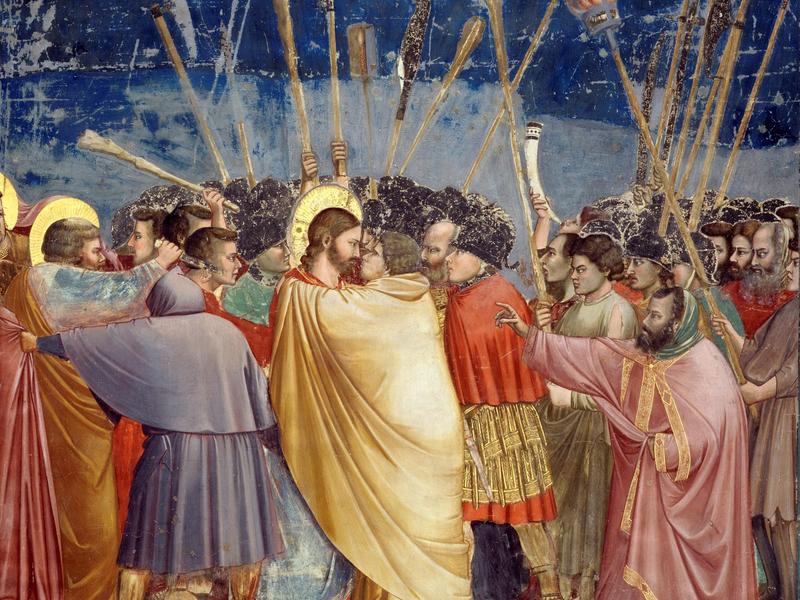
Simoniacs in the Bible

High in the list of now forgotten sins is simony. It was not always so: the medieval schoolmen believed simony to be the worst of ecclesiastical crimes and waged a centuries long campaign to purge the Church of this financial and spiritual corruption. As the schoolmen robustly defined it, “simony…

by Samuel KlumpenhouwerNovember 3, 2023

Showing page 26 of 309

See all

Showing page 6 of 43

See all
Literature

The Politics of Playing

Plays might be promoted as a kind of opiate of the masses: Mass entertainment that keeps them from more violent entertainments like rioting and pillaging. This could be problematic, if the entertainments were too heady for most people to follow. Thomas Heywood (1612) suggested that playwrights should “ayme . .…

September 28, 2006
Literature

Shakespeare regulated

How regulated was Shakespeare’s own theater? And for what reasons? Patterson highlights various reasons for closing or permitting theaters: audience composition, including the fear that a large collection of workers might be distruptive; public health; economic concerns; religious and moral concerns, especially Sabbatarian; and “a shifting and elusive imperative to…

September 28, 2006
Literature

American Shakespeare

Shakespeare’s fortunes in the US were, understandably, different from in England. Initially, Shakespeare was America’s most popular playwright, appealing to a wide sector of the American populace. Patterson notes that “by the end of the nineteenth century ‘Shakespeare’ had become a cultural icon, the property only of the ‘legitimate theater,’…

September 28, 2006
Literature

Popular Shakespeare

Annabel Patterson notes ( Shakespeare and the Popular Voice ) that contemporary critics, whatever their own political outlook, assume that Shakespeare was an advocate of Elizabethan hierarchy. This view, however, is a product of the 19th century. Dryden, Johnson, and others criticize Shakespeare for violating the conventions of his genre,…

September 28, 2006
Literature

Courtly Shakespeare, IV

By the 18th century, acting styles also invested Shakespeare with “courtly” virtues of control, dignity, stateliness. Dobson writes, “Shakespearian acting . . . in the decades following Betterton’s death in 1710, seems to have settled into a grandiloquent vein of static declamation, best exemplified by the stout James Quin (1693-1766)…

September 28, 2006
Literature

Courtly Shakespeare, III

Dobson again: “after Charles II’s death in 1685 England would never again have another monarch with such an informed interest in the drama (or, mercifully, such a lascivious one), and deprived of royal patronage and protection the playhouses came under renewed attack from the moralists (led by the redoubtable clergyman…

September 28, 2006

Showing page 1785 of 2212

Browse by Category

In Medias Res

Your weekly digest for all things Theopolis.

Donate

Theopolis is nearly 100% donor-supported. Consider joining us on our mission.