Theopolis Logo

Writing

Explore our collection of theological essays, biblical studies, and reflections on faith and culture.

See all
ben-white-mo9vkbg5csg-unsplash
Masculinity

Ringing the Brothel Door

Bruce Marshall once wrote that every young man who rings the bell at a brothel is unconsciously looking for God. While it is not necessarily true that the inward desire of every man is ultimately a thirst for righteousness, it is true that every sin is the disordering of a…

by Garrett SoucyOctober 31, 2023
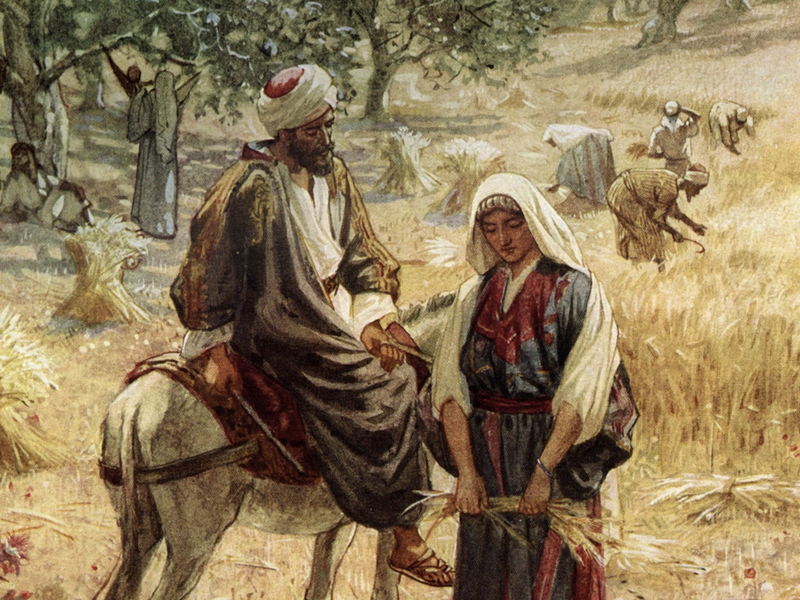
screenshot-2023-08-08-at-11-13-28-am
Ruth

Work and Gratitude in Ruth

In a previous essay , I argued that the story which begins with Lot and culminates in Ruth’s great-grandson David follows God’s five-fold pattern of creative work as laid out by Jim Jordan: taking something in hand (in this case, the Abrahamic family), restructuring it, distributing the product of labor,…

by Josh JensenOctober 27, 2023
screenshot-2023-10-17-at-11-05-18-am
Books

Men, Marriage, and the Feminine Imperative: A Review of "Men and Marriage"

Gilder, George. Men and Marriage. Moscow, ID: Canon Press, 2023. 1 By 1973, the hightide of second-wave feminism had flooded the beaches of American culture. Betty Friedan’s The Feminine Mystique eroded the shores of traditional female roles by naming and stirring up further domestic discontentment. Kate Millet wrote her dissertation-turned-book,…

by Bill SmithOctober 17, 2023
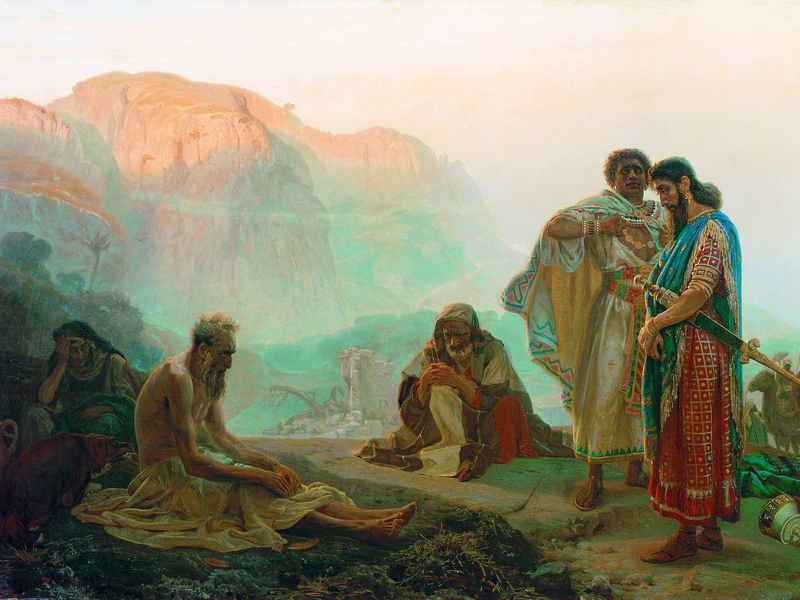
job_and_his_friends
Galatians

Get Behind Me, Eliphaz!

The Book of Job is a very tortuous book. The arguments of Job and his friends are shot through with truth and error hopelessly mixed together. Every line of contentious poetry stands locked in deadly battle with every other line. As maddening as this can be for a reader who…

by Jonathan WhiteOctober 10, 2023
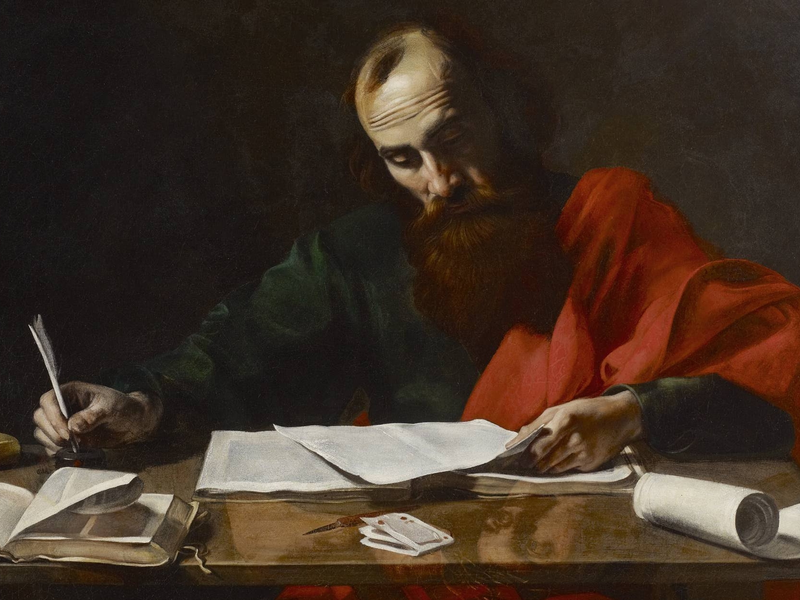
13071-probablyvalentindeboulogne-saintpaulwritinghi-1
Apostle Paul

Before His Conversion, Paul Knew Jesus

More than once in the last 50 years it has occurred to me that Paul might have known Jesus before He appeared to Paul on the Damascus road, but I had never taken up the notion in earnest until recently when I ran into a book by Stanley Porter titled…

by Ralph Allan SmithOctober 4, 2023
mathew-schwartz-s87bbfzviau-unsplash
Acts

Did Peter Found the Church in Rome?

The question in the title is genuine, not polemic. I could be perfectly happy to follow an ancient — and what is regarded as a well-attested — tradition. But I do not feel compelled to follow it simply because it is tradition. I would like to have arguments that Peter…

by Ralph Allan SmithSeptember 26, 2023

Showing page 27 of 309

See all

Showing page 6 of 43

See all
Literature

The Politics of Playing

Plays might be promoted as a kind of opiate of the masses: Mass entertainment that keeps them from more violent entertainments like rioting and pillaging. This could be problematic, if the entertainments were too heady for most people to follow. Thomas Heywood (1612) suggested that playwrights should “ayme . .…

September 28, 2006
Literature

Shakespeare regulated

How regulated was Shakespeare’s own theater? And for what reasons? Patterson highlights various reasons for closing or permitting theaters: audience composition, including the fear that a large collection of workers might be distruptive; public health; economic concerns; religious and moral concerns, especially Sabbatarian; and “a shifting and elusive imperative to…

September 28, 2006
Literature

American Shakespeare

Shakespeare’s fortunes in the US were, understandably, different from in England. Initially, Shakespeare was America’s most popular playwright, appealing to a wide sector of the American populace. Patterson notes that “by the end of the nineteenth century ‘Shakespeare’ had become a cultural icon, the property only of the ‘legitimate theater,’…

September 28, 2006
Literature

Popular Shakespeare

Annabel Patterson notes ( Shakespeare and the Popular Voice ) that contemporary critics, whatever their own political outlook, assume that Shakespeare was an advocate of Elizabethan hierarchy. This view, however, is a product of the 19th century. Dryden, Johnson, and others criticize Shakespeare for violating the conventions of his genre,…

September 28, 2006
Literature

Courtly Shakespeare, IV

By the 18th century, acting styles also invested Shakespeare with “courtly” virtues of control, dignity, stateliness. Dobson writes, “Shakespearian acting . . . in the decades following Betterton’s death in 1710, seems to have settled into a grandiloquent vein of static declamation, best exemplified by the stout James Quin (1693-1766)…

September 28, 2006
Literature

Courtly Shakespeare, III

Dobson again: “after Charles II’s death in 1685 England would never again have another monarch with such an informed interest in the drama (or, mercifully, such a lascivious one), and deprived of royal patronage and protection the playhouses came under renewed attack from the moralists (led by the redoubtable clergyman…

September 28, 2006

Showing page 1785 of 2212

Browse by Category

In Medias Res

Your weekly digest for all things Theopolis.

Donate

Theopolis is nearly 100% donor-supported. Consider joining us on our mission.