Theopolis Logo

Writing

Explore our collection of theological essays, biblical studies, and reflections on faith and culture.

See all
jephthahs-vow-by-edwin-long
Judges

The Jephthah-Jesus Connection

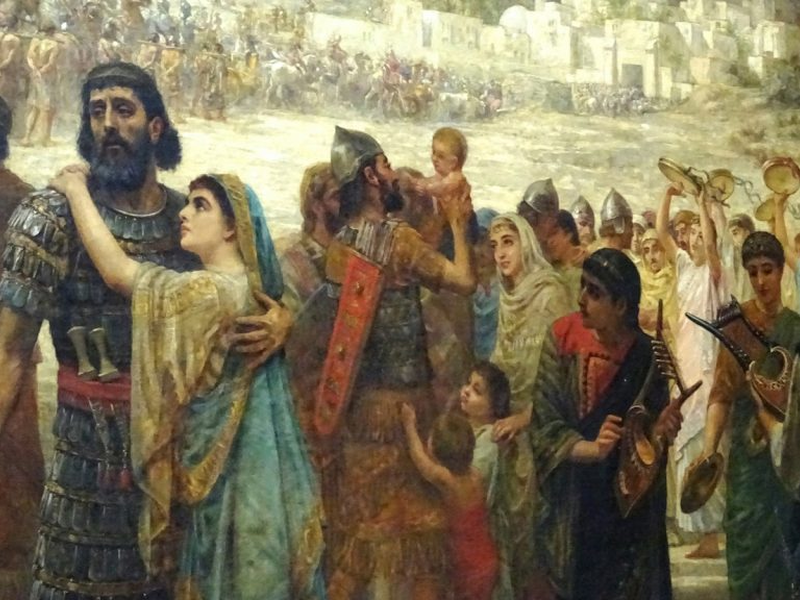
Why there is more to Jephthah than meets than eye It was not that long ago that I realized the Jephthah-story and the Jesus-story were basically the same story. Sounds crazy, I know. But here is a one-paragraph synopsis of both: The people of God have gone their own way,…

by Eric RobinsonDecember 27, 2018
nativity-2
Advent

Jesus Rejoiced

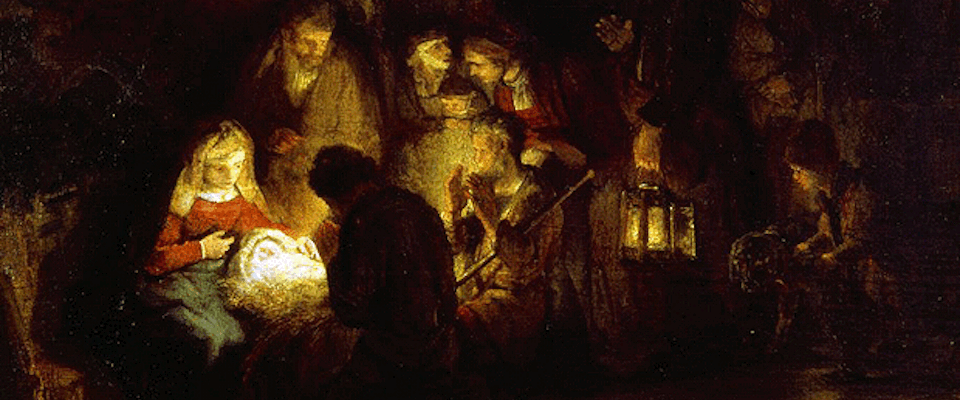
G.K. Chesterton famously said that the Gospels don’t reveal Jesus’ mirth. It’s true we never catch Jesus laughing. But can we believe He never did? I don’t think so. Laughter is human, and Jesus was fully human. Jesus promised that those who mourned would laugh. He mourned; would He not…

by Peter LeithartDecember 25, 2018
74686
Advent

New Exodus

Matthew 2 has all the elements of an exodus story. There’s a murderous king, who slaughters Jewish babies. There’s a infant who will be Israel’s future deliverer, saved from the murderous king so He can later return to save His people and lead them to the Promised land. There’s an…

by Peter LeithartDecember 20, 2018
tpc-worship
Church Calendar

Is the Church Calendar Desirable?

The calendar of Israel was primarily theological, centered on commemorating the salvific acts of God, but also agricultural, celebrating the creation-restoring effects of those salvific acts. The feasts of the first month celebrated the reviving of the world in the Spring, and typified the cutting off of the Savior in…

by James B. JordanDecember 18, 2018
hebrew-manuscript-2
Chiasm

Chiasms and Life

The chiastic shape corresponds to the shape of human life. This should not surprise us, because we are made in the image of God, and God is manifest in Word and Spirit. If we are living epistles, our lives will look a bit like the literary shape of the books…

by James B. JordanDecember 14, 2018
sailing-shop-storm-crop
Biblical Theology

Boat Stories

Back in January, Venkatesh Rao wrote a fascinating post on the Ribbonfarm blog, discussing different forms of models of narrative. Engaging with Ursula LeGuin’s talk ‘The Carrier Bag Theory of Fiction’ , Rao explores her contrast between the (male) ‘hero narrative’ and the (female) ‘carrier-bag story’, and suggests a third…

by Alastair RobertsDecember 11, 2018

Showing page 83 of 309

See all

Showing page 6 of 43

See all
Literature

The Politics of Playing

Plays might be promoted as a kind of opiate of the masses: Mass entertainment that keeps them from more violent entertainments like rioting and pillaging. This could be problematic, if the entertainments were too heady for most people to follow. Thomas Heywood (1612) suggested that playwrights should “ayme . .…

September 28, 2006
Literature

Shakespeare regulated

How regulated was Shakespeare’s own theater? And for what reasons? Patterson highlights various reasons for closing or permitting theaters: audience composition, including the fear that a large collection of workers might be distruptive; public health; economic concerns; religious and moral concerns, especially Sabbatarian; and “a shifting and elusive imperative to…

September 28, 2006
Literature

American Shakespeare

Shakespeare’s fortunes in the US were, understandably, different from in England. Initially, Shakespeare was America’s most popular playwright, appealing to a wide sector of the American populace. Patterson notes that “by the end of the nineteenth century ‘Shakespeare’ had become a cultural icon, the property only of the ‘legitimate theater,’…

September 28, 2006
Literature

Popular Shakespeare

Annabel Patterson notes ( Shakespeare and the Popular Voice ) that contemporary critics, whatever their own political outlook, assume that Shakespeare was an advocate of Elizabethan hierarchy. This view, however, is a product of the 19th century. Dryden, Johnson, and others criticize Shakespeare for violating the conventions of his genre,…

September 28, 2006
Literature

Courtly Shakespeare, IV

By the 18th century, acting styles also invested Shakespeare with “courtly” virtues of control, dignity, stateliness. Dobson writes, “Shakespearian acting . . . in the decades following Betterton’s death in 1710, seems to have settled into a grandiloquent vein of static declamation, best exemplified by the stout James Quin (1693-1766)…

September 28, 2006
Literature

Courtly Shakespeare, III

Dobson again: “after Charles II’s death in 1685 England would never again have another monarch with such an informed interest in the drama (or, mercifully, such a lascivious one), and deprived of royal patronage and protection the playhouses came under renewed attack from the moralists (led by the redoubtable clergyman…

September 28, 2006

Showing page 1785 of 2212

Browse by Category

In Medias Res

Your weekly digest for all things Theopolis.

Donate

Theopolis is nearly 100% donor-supported. Consider joining us on our mission.