Theopolis Logo

Writing

Explore our collection of theological essays, biblical studies, and reflections on faith and culture.

See all
e99a1883
Eucharist

According to the Ordinance

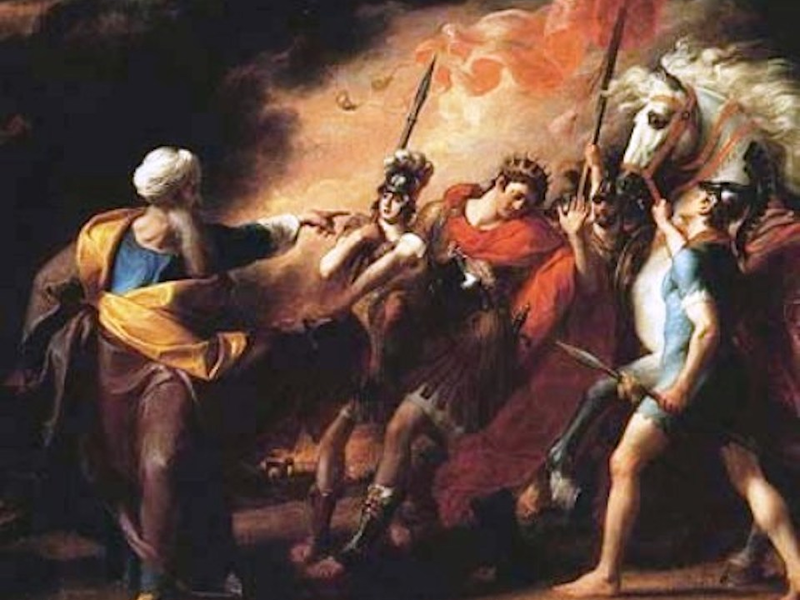
After 9 chapters of genealogy, the Chronicler begins his history with the death of Saul and the rise of David. The latter part of 1 Chronicles 12 describes the assembly of warriors from the twelve tribes to Hebron to celebrate David’s coronation as king. They have a three-day feast, with…

by Peter LeithartSeptember 1, 2016
pentecost
Baptism

Water, Spirit, and Fire, (Part 2)

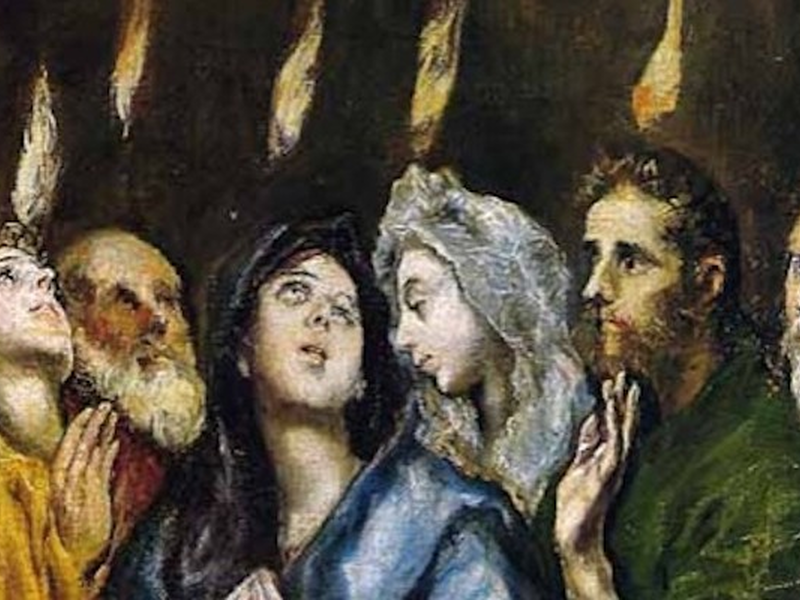
In the introduction we saw that Matthew and Luke are the only gospels which include “fire” in John the Baptist's narrative. If Matthew and Luke are the priestly and prophetic gospels, the inclusion of fire is of great importance. Priests are servants of the altar, working with fire every day.…

by Adam McIntoshAugust 30, 2016
city-heaven
Daniel

Brexit and the Binding of Satan: Part 3

The feet of the great statue in Nebuchadnezzar’s dream cannot be interpreted as a prediction of the states of modern Europe, but the lessons from their failure can certainly be applied . The statue in Nebuchadnezzar’s dream spoke of God’s ordaining of four empires which would rule in succession throughout…

by Mike BullAugust 25, 2016
istock_1475569697_1__9049d5f0-0813-44b1-9fa3-56fa65117e67
City

From Milwaukee

This past Sunday afternoon, I drove just a few miles west of my neighborhood to visit the corner of Sherman Blvd. and Burleigh St. in Milwaukee, Wisconsin. Amid a crowd I stood, looking at a huge gas station and multiple vehicles, all completely destroyed. Hundreds of feet of yellow caution…

by Jonathan SedlakAugust 23, 2016
david-men

Help

1 Chronicles 12 is a flashback. The Chronicler has told the story of Saul’s death at the battle of Mount Gilboa. He has described how “all Israel” gathered to David at Hebron to make him king over all Israel (11:1-3). At the beginning of chapter 12, we move back to…

by Peter LeithartAugust 18, 2016
e99a1834-2-6
Theopolis News

Leviticus Course Recap

A great story draws you into specific details while delivering an ending that keeps you coming back. It brings you into the minutiae of life in such a way that requires patience, only to deliver a breath of fresh air time and again. The climax of the biblical story comes…

by Brian MoatsAugust 17, 2016

Showing page 126 of 309

See all

Showing page 6 of 43

See all
History

Hermeticism and gnosticism

In his book on the hermeticist Hegel, Magee gives this helpful sketch of the differences between gnosticism and hermeticism: “Gnosticism and Hermeticism both believe that a divine ‘spark’ is implanted in man, and that man can come to know God. However, Gnosticism involves an absolutely negative account of creation. It…

August 16, 2006
Philosophy

Hegel and Hermes

In a 2001 book (Cornell), Glenn Magee argues that Hegel must be understood as a hermetic thinker. Hegel claims to have moved beyond the ancient notion of philosophy as “pursuit of wisdom” to an absolute knowledge that is simply identical with wisdom. As Magee says, “Hegel’s claim to have attained…

August 16, 2006

MacIntyre on Heroic virtue

In After Virtue , Alasdair MacIntyre provides a neat discussion of the virtue and selfhood in Greek antiquity. The unity of ARETE, virtue, “resides . . . in the concept of that which enables a man to discharge his role,” and refers to “excellence of any kind,” whether in a…

August 16, 2006
Philosophy

Logos: Harmony and Recipe

One Marc Cohen of the University of Washington, offers this account of the “logos” of Heraclitus in an online lecture outline: First, “There is an orderly, law-governed process of change in the universe. (Compare fragment 80 with Anaximander, who equates strife with injustice; for Heraclitus, strife is justice, and is…

August 16, 2006

Life of Heraclitus

Some selections from Diogenes Laertius’ “Life of Heraclitus, from his “Lives and Opinions of Eminent Philosophers: “He was above all men of a lofty and arrogant spirit, as is plain from his writings, in which he says, ‘Abundant learning does not form the mind; for if it did, it would…

August 16, 2006
History

Asocial sociability

Seigel devotes a fascinating section of his book ( Idea of the Self ) to a summary of Mandeville’s Fable of the Bees , in which Mandeville describes what Kant characterized as the “asocial sociability” of human nature. Social in the sense that even in a natural state, prior to…

August 15, 2006

Showing page 1809 of 2212

Browse by Category

In Medias Res

Your weekly digest for all things Theopolis.

Donate

Theopolis is nearly 100% donor-supported. Consider joining us on our mission.