Theopolis Logo

Writing

Explore our collection of theological essays, biblical studies, and reflections on faith and culture.

See all
cloister

Gatekeepers

1 Chronicles 9:1 seems to bring the genealogies of 1 Chronicles to an end. The Chronicler has recorded the genealogy of the human race from Adam, focusing on the descendants of Abraham through Jacob. Summing it all up, he says, “So all Israel was enrolled by genealogies; and behold, they…

by Peter LeithartJune 21, 2016
trinity-1-2
Trinity

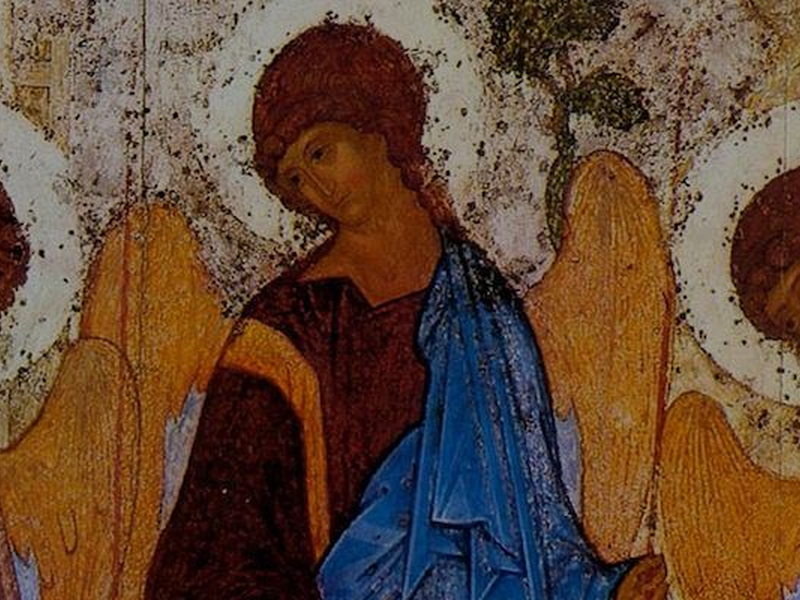
Are the Divine Persons Persons?

The “personalist” understanding of the Trinity, articulated most influentially in the work of John Zizioulas, has fallen on hard times. Recent scholars have attacked Zizioulas’s idea that Cappadocian Trinitarianism represented an ontological revolution, hammering on the distinction between divine and human personhood. Michel Barnes’s conclusion is the most drastic of…

by Peter LeithartJune 16, 2016
img_4660-2
Architecture

On Biblical Theology

Biblical Theology is often defined as the historical unfolding of God’s revelation, or of God’s revelation and of the history of his covenantal redemption and transformation of humanity and the world. In practice, Biblical Theology is usually broader than this, and also includes the study of literary structure and of…

by James B. JordanJune 14, 2016
laughing_statue_by_xxbobbiie-d5f0meh-2
Humor

Wise Laughter

We are made to be happy. Created to enter into the eternal joy of God, our whole being inclines to that end, but the fallen world has put forth barriers and by our own sin we bar ourselves from that endless delight, and death blinds us to that reality. Yet…

by Remy WilkinsJune 7, 2016
img_7664
Liturgy

Why Theopolis? Take Two

At the end of Revelation, John sees the heavenly city descending to earth. The city shines with the brilliance of God's glory, which lightens the nations, so that kings bring their glory to the city. This is not a vision of the final new heaven and new earth. It's a…

by Peter LeithartJune 2, 2016
trinity-1-2
Attributes of God

How Can We Talk About God?

“No one has ever seen God,” writes John (John 1:18). If this is the case, then how can we speak about God? Some people say we actually cannot. Or at least we cannot speak about God positively, i.e. who He is. We can only say who or what God is…

by Bogumil JarmulakMay 31, 2016

Showing page 130 of 309

See all

Showing page 6 of 43

See all
History

Hermeticism and gnosticism

In his book on the hermeticist Hegel, Magee gives this helpful sketch of the differences between gnosticism and hermeticism: “Gnosticism and Hermeticism both believe that a divine ‘spark’ is implanted in man, and that man can come to know God. However, Gnosticism involves an absolutely negative account of creation. It…

August 16, 2006
Philosophy

Hegel and Hermes

In a 2001 book (Cornell), Glenn Magee argues that Hegel must be understood as a hermetic thinker. Hegel claims to have moved beyond the ancient notion of philosophy as “pursuit of wisdom” to an absolute knowledge that is simply identical with wisdom. As Magee says, “Hegel’s claim to have attained…

August 16, 2006

MacIntyre on Heroic virtue

In After Virtue , Alasdair MacIntyre provides a neat discussion of the virtue and selfhood in Greek antiquity. The unity of ARETE, virtue, “resides . . . in the concept of that which enables a man to discharge his role,” and refers to “excellence of any kind,” whether in a…

August 16, 2006
Philosophy

Logos: Harmony and Recipe

One Marc Cohen of the University of Washington, offers this account of the “logos” of Heraclitus in an online lecture outline: First, “There is an orderly, law-governed process of change in the universe. (Compare fragment 80 with Anaximander, who equates strife with injustice; for Heraclitus, strife is justice, and is…

August 16, 2006

Life of Heraclitus

Some selections from Diogenes Laertius’ “Life of Heraclitus, from his “Lives and Opinions of Eminent Philosophers: “He was above all men of a lofty and arrogant spirit, as is plain from his writings, in which he says, ‘Abundant learning does not form the mind; for if it did, it would…

August 16, 2006
History

Asocial sociability

Seigel devotes a fascinating section of his book ( Idea of the Self ) to a summary of Mandeville’s Fable of the Bees , in which Mandeville describes what Kant characterized as the “asocial sociability” of human nature. Social in the sense that even in a natural state, prior to…

August 15, 2006

Showing page 1809 of 2212

Browse by Category

In Medias Res

Your weekly digest for all things Theopolis.

Donate

Theopolis is nearly 100% donor-supported. Consider joining us on our mission.