Theopolis Logo

Writing

Explore our collection of theological essays, biblical studies, and reflections on faith and culture.

See all
eyasu-etsub-hn7scs05pju-unsplash
Leviticus

Priestly Animals

The first commandment given in the Levitical sacrificial legislation has to do with the animals appropriate to sacrifice: "When any man of you brings an offering to the Lord, you shall bring your offering of cattle ( behemah ), from the herd or the flock" (Lev. 1:2). Cattle alone were…

by Peter LeithartSeptember 3, 2024

james-coleman-hoznesupplm-unsplash
Baptism

Rome Won't Have Me

This post was originally posted in 2004 The ultimate condemnation of a position in Reformed circles is to show that it “leads back to Rome.” Indeed, one gets the feeling that Rome is a worse destination for a Presbyterian than even hell itself. The accusation of Rome stings deeply, of…

by Rich LuskAugust 27, 2024
alex-guillaume-2k4du3r1giy-unsplash-2
Biblical Theology

It's About Time

There are countless scholars who have helped me in my reading of various passages of Scripture. I have gleaned insights and keys from them that have unlocked texts that once perplexed me. However, no scholar has done so much to teach me how to read the Scripture more generally than…

by Alastair RobertsAugust 15, 2024
nicki-eliza-schinow-mg3nb1l2kdm-unsplash

The Dangers of Getting Ahead

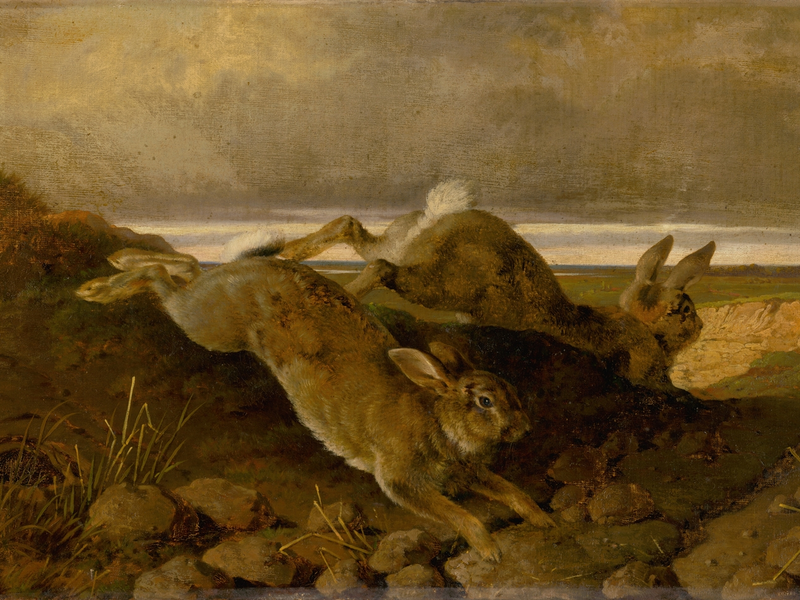
The Tortoise and the Hare is perhaps the most well-known of the Greek fables. Its story has been present in every era of human history. From the Indigenous retellings with hummingbirds and cranes to the Biblical account of David and Goliath, the basic furniture of an unlikely hero tale is…

by Garrett SoucyAugust 8, 2024
adam-and-eve-in-the-garden-of-eden-wenzel-peter
Genesis

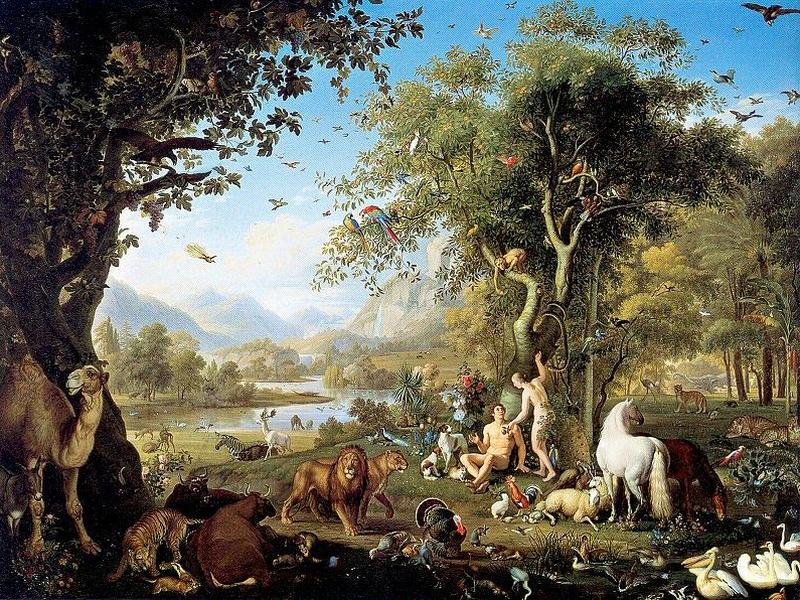
Sinning Naked: Double the Exposure, Double the Shame

Sexual sins are perhaps the most shame-inducing sins experienced by Christians and non-Christians alike. All sins can bring shame, but sexual sins are deeply personal and affect us in profound ways. For example, adultery leaves its victim devastated by betrayal; porn addiction leaves men feeling gross, pathetic, and lazy; losing…

by Adam McIntoshAugust 6, 2024
714368ansdl
Books

Lessons from Watership Down: What Rabbits Can Teach the Church

If the mark of a good book is how many times a person can re-read it with pleasure, Richard Adams’ novel Watership Down is one of the best books of the 20 th century. I’ve taught this book in my middle school literature class for the past three years, and…

by Christian LeithartJuly 30, 2024

Showing page 18 of 309

See all

Showing page 6 of 43

See all
History

Hermeticism and gnosticism

In his book on the hermeticist Hegel, Magee gives this helpful sketch of the differences between gnosticism and hermeticism: “Gnosticism and Hermeticism both believe that a divine ‘spark’ is implanted in man, and that man can come to know God. However, Gnosticism involves an absolutely negative account of creation. It…

August 16, 2006
Philosophy

Hegel and Hermes

In a 2001 book (Cornell), Glenn Magee argues that Hegel must be understood as a hermetic thinker. Hegel claims to have moved beyond the ancient notion of philosophy as “pursuit of wisdom” to an absolute knowledge that is simply identical with wisdom. As Magee says, “Hegel’s claim to have attained…

August 16, 2006

MacIntyre on Heroic virtue

In After Virtue , Alasdair MacIntyre provides a neat discussion of the virtue and selfhood in Greek antiquity. The unity of ARETE, virtue, “resides . . . in the concept of that which enables a man to discharge his role,” and refers to “excellence of any kind,” whether in a…

August 16, 2006
Philosophy

Logos: Harmony and Recipe

One Marc Cohen of the University of Washington, offers this account of the “logos” of Heraclitus in an online lecture outline: First, “There is an orderly, law-governed process of change in the universe. (Compare fragment 80 with Anaximander, who equates strife with injustice; for Heraclitus, strife is justice, and is…

August 16, 2006

Life of Heraclitus

Some selections from Diogenes Laertius’ “Life of Heraclitus, from his “Lives and Opinions of Eminent Philosophers: “He was above all men of a lofty and arrogant spirit, as is plain from his writings, in which he says, ‘Abundant learning does not form the mind; for if it did, it would…

August 16, 2006
History

Asocial sociability

Seigel devotes a fascinating section of his book ( Idea of the Self ) to a summary of Mandeville’s Fable of the Bees , in which Mandeville describes what Kant characterized as the “asocial sociability” of human nature. Social in the sense that even in a natural state, prior to…

August 15, 2006

Showing page 1809 of 2212

Browse by Category

In Medias Res

Your weekly digest for all things Theopolis.

Donate

Theopolis is nearly 100% donor-supported. Consider joining us on our mission.