Theopolis Logo

Writing

Explore our collection of theological essays, biblical studies, and reflections on faith and culture.

See all
tanner-mardis-xuxghzhibn4-unsplash-1-2
Biblical Studies

Tweets-turned-Notes on the Bible’s Chronology

Summary In what follows, I will consider the “year-stamps” employed in Scripture, i.e., statements of the form, “Such-and-such an event took place in the Xth year of Y.” In the process, I will suggest some ways in which the Biblical narrative might relate to events in the extra-Biblical world, though…

by James BejonJuly 16, 2019
durer-prodigal-son-2
Luke

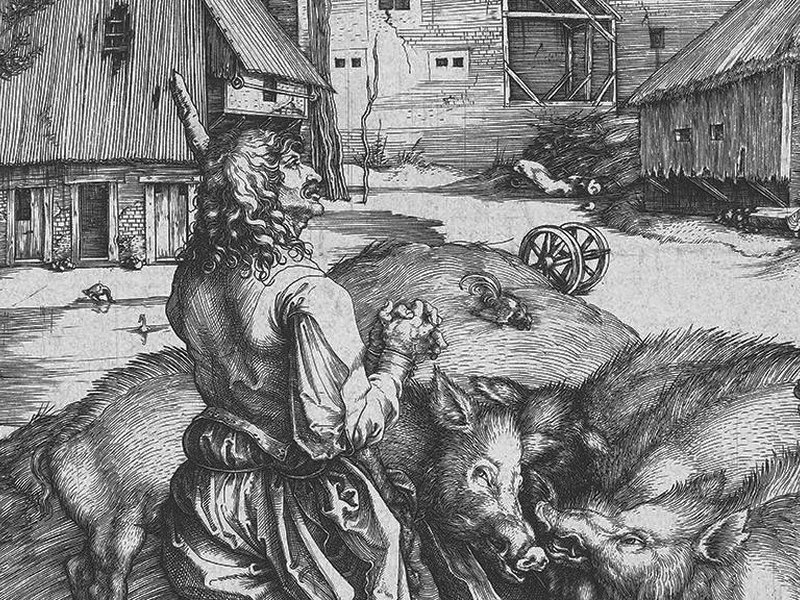
Perspectives on the Prodigal, (Part 2)

In the first essay on the parable of the Prodigal Son, I suggested that the problems commentators and others encounter in interpreting Jesus three-part parable are not accidental. These are not just problems in our ignorance of cultural background. They are intentional features of the stories —stories designed to poke…

by Ralph Allan SmithJuly 11, 2019
durer-prodigal-son-2
Luke

Perspectives on the Prodigal, (Part 1)

The story of the Prodigal Son is perhaps the most well-known story in the Bible. As others have observed, it may also be one of the most misunderstood. In two short essays, I will point out features of this story that are commonly neglected, aspects of Jesus’ parable that might…

by Ralph Allan SmithJuly 9, 2019
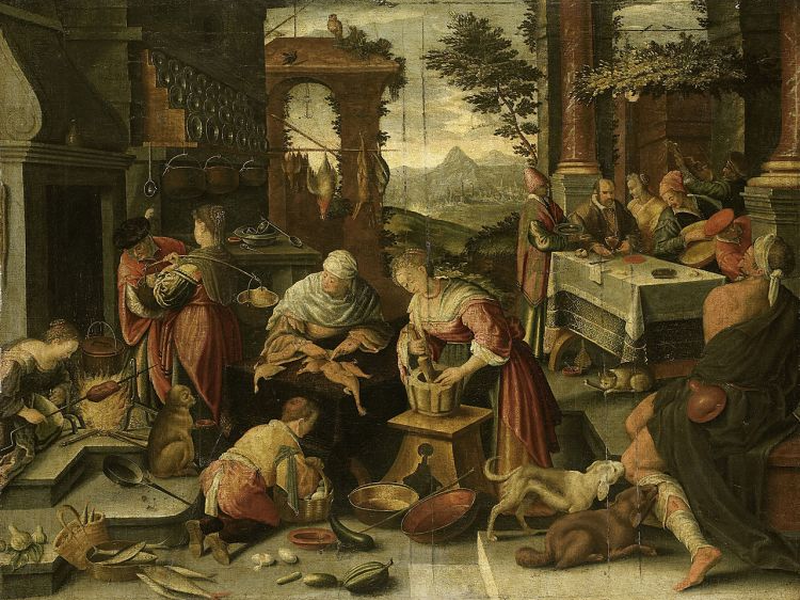
de-rijke-man-en-de-arme-lazarus-by-jacopo-da-ponte-16th-century
Luke

Lazarus and the Rich Man

The parable of Lazarus and the nameless rich man is not an independent story. It is part of a long context that begins in Luke 15:1, where Jesus is eating with tax collectors and sinners and the scribes and Pharisees grumble. In response to their hardheartedness, Jesus tells a three-part…

by Ralph Allan SmithJuly 4, 2019
aaron-burden-uynrnfdkjwg-unsplash
Luke

Everybody has Dropsy - Luke 14:1-24

The Bible is written so that even when a reader cannot pick up on what might be deeper or more detailed aspects of a text, there is virtually always a message to be heard. In the ancient world, where the “reader” of Scripture would likely be a church official facing…

by Ralph Allan SmithJuly 2, 2019
communion
Biblical Theology

Fruit Trees and Grain Plants

The distinction between garden (or vineyard) and field begins in Genesis 2. This relates to the ordering of the formless world. Plants of the field are contrasted with the garden planted by God in Genesis 2:5&8. Later on, under the Old Covenant the Israelites will be required to keep their…

by James B. JordanJune 27, 2019

Showing page 77 of 309

See all

Showing page 6 of 43

See all
Theology

Milbank on Gift

INTRODUCTION To wind up our discussion of gift, we will cover three large concerns. First, we will examine Milbank’s work, particularly his essay “Can A Gift Be Given?”, to see how he handles the challenges thrown up by Derrida and Marion. Second, we will take some time to think about…

May 2, 2006
Literature

Bloom and Jesus

James Wood has his fun with Harold Bloom in his TNR review of Bloom’s recent Jesus and Yahweh . Wood offers this parody of a typical Bloomian sentence: “Only Don Quixote can rival the fat knight, Sir John Falstaff, and even Emerson at his strongest - stronger, here, even than…

May 2, 2006

Cost of Discipleship

Jerome Neyrey summarizes the effect of Jesus’ instruction to pray, give alms, and fast “in private” in terms of ancient honor systems: “In essence, the disciples must separate themselves from ‘their’ synagogues; they may not join other observant Judeans in publicly practicing almsgiving, prayer, and fasting. But inasmuch as these…

May 2, 2006

Impurity and caste

Mary Douglas has observed that “Levitical impurity is a fact of biology, common to all persons, and also a result of specific moral offences that anyone is liable to commit such as lying or stealing . . . Biblical impurity is of no use in demarcating advantaged social classes or…

May 2, 2006

Sermon Outline, Fourth Sunday of Easter

INTRODUCTION Hezekiah reverses the work of his father, Ahaz. As a result, the two kingdoms reunite under Hezekiah, who gathers people from “Beersheba even to Dan” to his Passover (2 Chronicles 30:6). In Hezekiah’s reign, the Davidic line experiences another renewal, as under Joash (2 Kings 11). THE TEXT “Now…

May 1, 2006

Devil’s opportuity

“Do not leg the sun go down on your anger, and do not give the devil an opportunity.” It sounds spooky and bizarre: Are we in danger of being haunted by some anger-demon? Once we remember that “diabolos” means “slanderer,” it’s no longer the stuff of horror movies. It’s a…

May 1, 2006

Showing page 1847 of 2212

Browse by Category

In Medias Res

Your weekly digest for all things Theopolis.

Donate

Theopolis is nearly 100% donor-supported. Consider joining us on our mission.