Theopolis Logo

Writing

Explore our collection of theological essays, biblical studies, and reflections on faith and culture.

See all
screen-shot-2022-05-12-at-12-07-23-pm
Leviticus

The Theology of the Drink Offering

The drink offering or libation ( nesek ) is mentioned in only three places in the book of Leviticus. When the sheaf of the firstfruits was waved before the Lord, a grain offering was to be burned, along with "its libation, a fourth of a hin of wine [approx. one…

by Peter LeithartJuly 17, 2018

aaron-burden-qjdzyt_k8xg-unsplash
Atonement

Limited Atonement & J. I. Packer

When I became a Calvinist it wasn't long before I learned that John Owen’s The Death of Death in the Death of Christ was regarded as the masterful treatise on what is known as "Limited Atonement"--the "L" in the TULIP mnemonic device for "the five points of Calvinism." This wasn't…

by Mark HorneJuly 12, 2018
30211-bathsheba-800w-tn
Hermeneutics

Bathsheba: The Real Story

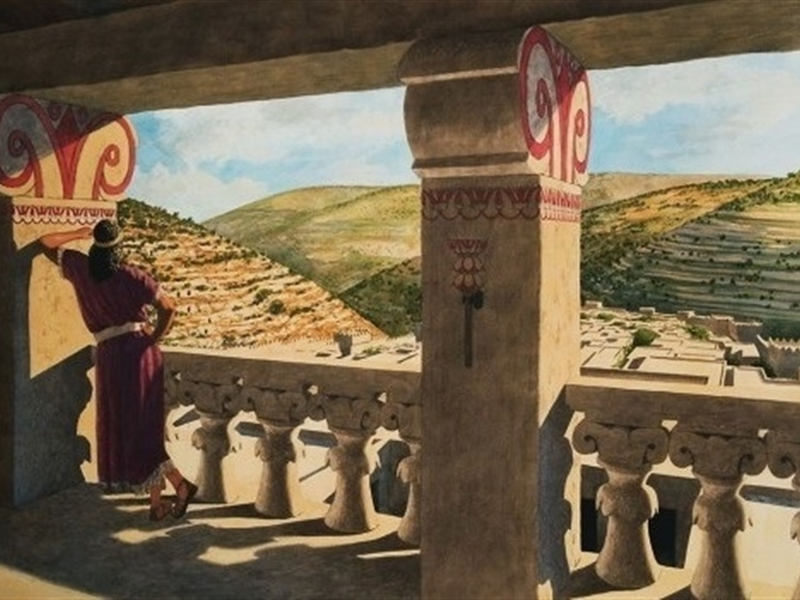
One of the advantages of paying very close attention to the details in the Bible, especially chronological and genealogical details, is that they can shed light on situations that don’t seem to make much sense apart from them. One such situation is that of Bathsheba. It appears that Bathsheba willingly…

by James B. JordanJuly 10, 2018
img_7664
Leviticus

The Oddness of the Feast of Booths

The Feast of Ingathering in the seventh month of the Sinaitic calendar is also called the Feast of Sukkoth, of Booths, also called Feast of Tabernacles. I have usually called it by that last phrase, and it is the most common today; but there is a problem: A tabernacle is…

by James B. JordanJuly 5, 2018
alec-guinness-with-george-lucas
Matthew

A Universe Less Expanded

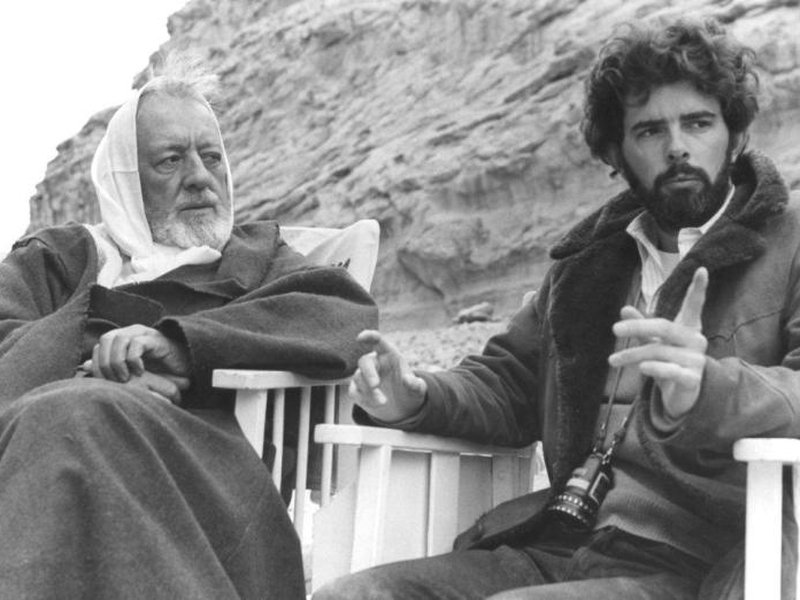
When Matthew’s Gospel was first read aloud to the fledgling Christian congregations, the experience must have been like seeing the words “A long time ago in a galaxy far, far away…” appear afresh on cinema screens in 1999. Yet, unlike The Phantom Menace, the New Testament did not disappoint. Why?…

by Mike BullJuly 3, 2018
screen-shot-2018-06-28-at-9-29-39-am
Art

Seeking Integration in a Fragmented World: Kintsugi Integration

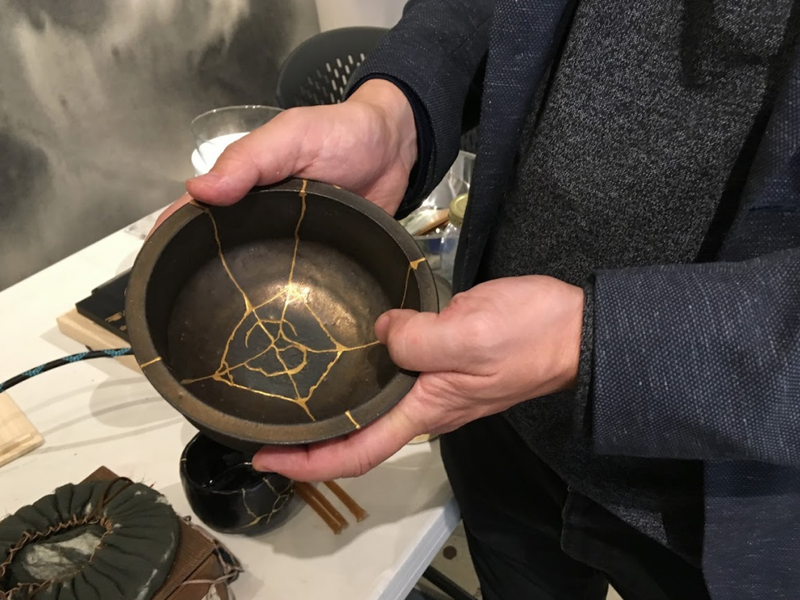
Fragmentation and integration are phenomena which artist Makoto Fujimura feels bodily, and about which he is concerned profoundly. What do these mean for him? How may we draw his insights into this ongoing consideration—itself integrative—of integration in a fragmented world? Thus far I have been acquainting you with matters already…

by Esther Lightcap MeekJune 28, 2018

Showing page 91 of 309

See all

Showing page 6 of 43

See all

Architectural Justice

J ames Jordan has often called attention to Ezekiel 43:10-11, where the Lord explains the purpose of the elaborate temple vision that He has shown the prophet. When Israel hears the design and plans of the temple, its entrances and exits, it straight lines and its corners, they will “be…

March 17, 2017

Protestantism and Nature

L awrence Feingold doesn't much like de Lubac's work on the natural desire to see God . He doesn't think the neo-Thomist distinction of natural and supernatural is responsible for the rise of atheism and naturalism. On the contrary, the distinction is necessary to combat naturalism. Feingold writes, “the Thomistic…

March 17, 2017

Odysseus and Dialectics of Environment

N ear the beginning of their Dialectic of Enlightenment , Max Horkheimer and Theodore Adorno “allegorize” on an episode in the Odyssey , in which Odysseus takes his ship past the Sirens who entice mariners toward the dangerous shoals of their island with their sweet singing. Odysseus wants to hear…

March 17, 2017

Talking Trees

T rees are slow, like Ents. The electrical impulses that pass through trees travel at a rate of one-third of an inch per second. Why do trees need electricity? According to Peter Wollheben ( The Hidden Life of Trees ), they need electricity to talk to each other. He's not…

March 17, 2017

Indirect Subject

S lavoj Zizek ( Mythology, Madness, and Laughter ) explains Hegel's sublation of Kantian transcendentalism by noting that Hegel accepts Kant's root insight, the “the subjective constitution of reality, the split that separates the subject from the in-itself.” Yet Hegel doesn't stop with this acceptance: “this very split is transposed…

March 17, 2017

God the Temple

T he Bible is a narrative of architecture and city planning. The Creator is a divine architect and builder. On earth, He is first a landscape architect, designing and planning a garden, then a designer of tents and temples, finally an architect of people who builds a church of living…

March 17, 2017

Showing page 195 of 2212

Browse by Category

In Medias Res

Your weekly digest for all things Theopolis.

Donate

Theopolis is nearly 100% donor-supported. Consider joining us on our mission.