
Theopolis Logo

Writing

Explore our collection of theological essays, biblical studies, and reflections on faith and culture.

See all
cloister

Gatekeepers

1 Chronicles 9:1 seems to bring the genealogies of 1 Chronicles to an end. The Chronicler has recorded the genealogy of the human race from Adam, focusing on the descendants of Abraham through Jacob. Summing it all up, he says, “So all Israel was enrolled by genealogies; and behold, they…

by Peter LeithartJune 21, 2016
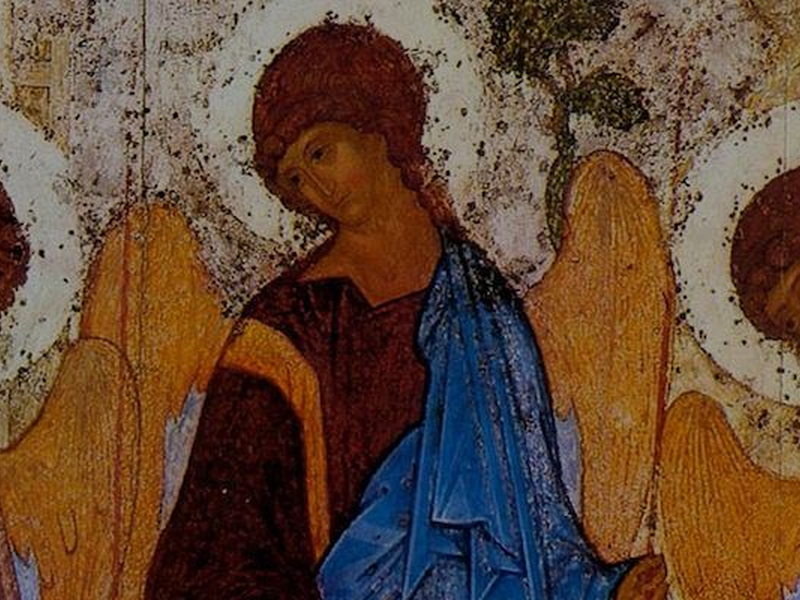
trinity-1-2
Trinity

Are the Divine Persons Persons?

The “personalist” understanding of the Trinity, articulated most influentially in the work of John Zizioulas, has fallen on hard times. Recent scholars have attacked Zizioulas’s idea that Cappadocian Trinitarianism represented an ontological revolution, hammering on the distinction between divine and human personhood. Michel Barnes’s conclusion is the most drastic of…

by Peter LeithartJune 16, 2016
img_4660-2
Architecture

On Biblical Theology

Biblical Theology is often defined as the historical unfolding of God’s revelation, or of God’s revelation and of the history of his covenantal redemption and transformation of humanity and the world. In practice, Biblical Theology is usually broader than this, and also includes the study of literary structure and of…

by James B. JordanJune 14, 2016
laughing_statue_by_xxbobbiie-d5f0meh-2
Humor

Wise Laughter

We are made to be happy. Created to enter into the eternal joy of God, our whole being inclines to that end, but the fallen world has put forth barriers and by our own sin we bar ourselves from that endless delight, and death blinds us to that reality. Yet…

by Remy WilkinsJune 7, 2016
img_7664
Liturgy

Why Theopolis? Take Two

At the end of Revelation, John sees the heavenly city descending to earth. The city shines with the brilliance of God's glory, which lightens the nations, so that kings bring their glory to the city. This is not a vision of the final new heaven and new earth. It's a…

by Peter LeithartJune 2, 2016
trinity-1-2
Attributes of God

How Can We Talk About God?

“No one has ever seen God,” writes John (John 1:18). If this is the case, then how can we speak about God? Some people say we actually cannot. Or at least we cannot speak about God positively, i.e. who He is. We can only say who or what God is…

by Bogumil JarmulakMay 31, 2016

Showing page 130 of 309

See all

Showing page 6 of 43

See all
Theology

Robbins and Against Christianity

John Robbins ‘s current Trinity Review is devoted to a sharply negative review of my book Against Christianity . So far as I can tell, Robbins caught me in one error: I did, as he said, misuse the phrase “beg the question” at one point. Otherwise, I would say that…

April 28, 2004
Biblical Studies

Sermon Outline, May 2

Again, much of this is from Jim Jordan ‘s From Bread to Wine . Kingly Rule, 1 Kings 3:1-28 INTRODUCTION Israel moved from its priestly to its kingly phase through a process of destruction and renewal. The Mosaic order broke down after the battle of Aphek (1 Samuel 4-6), and…

April 28, 2004

Pattern or Person

David Yeago makes this important comment about Luther’s “catholic” turn after 1518: “For Luther after 1518, Christ is central not as pattern but as person; we are saved by the faith that acknowledges his authority, competence, and willingness to rescue those who call upon him. The gospel that is proclaimed…

April 27, 2004

Imputation

McGrath gives an account of the development of the doctrine of imputation within early Reformation theology. He notes that there are elements of the doctrine already in the early Luther: “The reinterpretation of grace as an absolute external, and faith as a partial internal, quality permits Luther to maintain what…

April 27, 2004

Necessity of Works?

Who wrote this? ” opera sunt necessaria ad salutem, sed non causant salutem, quia fides sola dat vitam ” (works are necessary to salvation, yet they do not cause salvation, for faith alone gives life). Norman Shepherd would be a good guess, except that he doesn’t write in Latin. Calvin…

April 27, 2004

Grace and Reformation

Alister McGrath’s discussion of Luther’s theology of justification in his standard work, Iustitia Dei , shows that understanding grace as favor Dei rather than as a “medicinal substance” was an essential part of the Reformation doctrine of grace. He writes, “The most significant discussion of faith [in Luther’s earler writings]…

April 27, 2004

Showing page 2095 of 2212

Browse by Category

In Medias Res

Your weekly digest for all things Theopolis.

Donate

Theopolis is nearly 100% donor-supported. Consider joining us on our mission.








