Theopolis Logo

Writing

Explore our collection of theological essays, biblical studies, and reflections on faith and culture.

See all
tanner-mardis-xuxghzhibn4-unsplash-1-2
Biblical Studies

Tweets-turned-Notes on the Bible’s Chronology

Summary In what follows, I will consider the “year-stamps” employed in Scripture, i.e., statements of the form, “Such-and-such an event took place in the Xth year of Y.” In the process, I will suggest some ways in which the Biblical narrative might relate to events in the extra-Biblical world, though…

by James BejonJuly 16, 2019
durer-prodigal-son-2
Luke

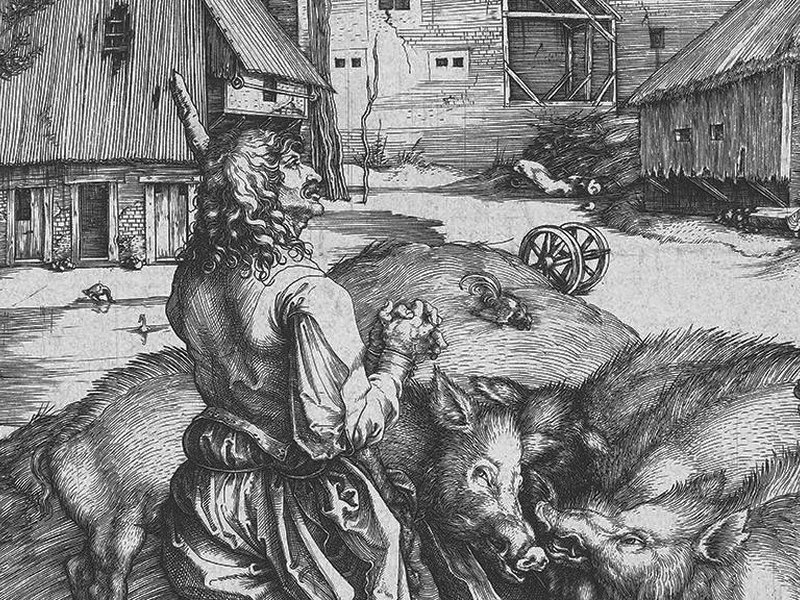
Perspectives on the Prodigal, (Part 2)

In the first essay on the parable of the Prodigal Son, I suggested that the problems commentators and others encounter in interpreting Jesus three-part parable are not accidental. These are not just problems in our ignorance of cultural background. They are intentional features of the stories —stories designed to poke…

by Ralph Allan SmithJuly 11, 2019
durer-prodigal-son-2
Luke

Perspectives on the Prodigal, (Part 1)

The story of the Prodigal Son is perhaps the most well-known story in the Bible. As others have observed, it may also be one of the most misunderstood. In two short essays, I will point out features of this story that are commonly neglected, aspects of Jesus’ parable that might…

by Ralph Allan SmithJuly 9, 2019
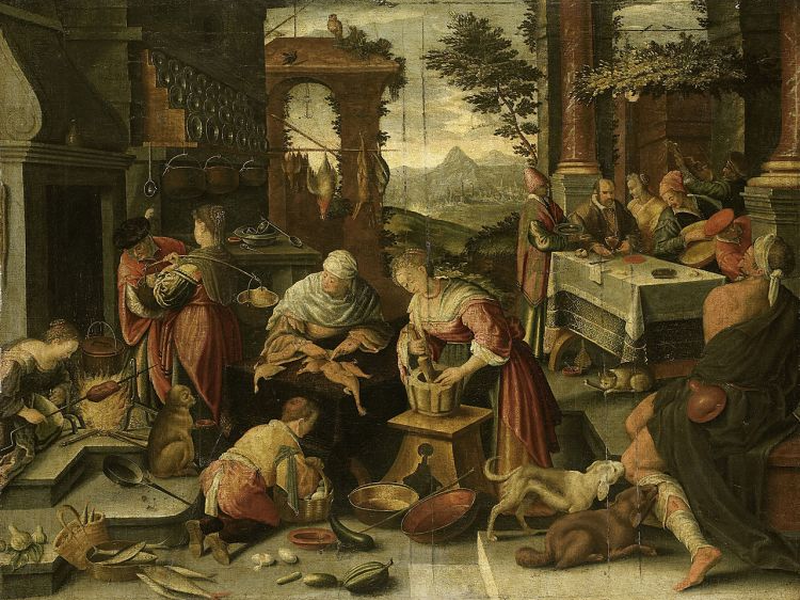
de-rijke-man-en-de-arme-lazarus-by-jacopo-da-ponte-16th-century
Luke

Lazarus and the Rich Man

The parable of Lazarus and the nameless rich man is not an independent story. It is part of a long context that begins in Luke 15:1, where Jesus is eating with tax collectors and sinners and the scribes and Pharisees grumble. In response to their hardheartedness, Jesus tells a three-part…

by Ralph Allan SmithJuly 4, 2019
aaron-burden-uynrnfdkjwg-unsplash
Luke

Everybody has Dropsy - Luke 14:1-24

The Bible is written so that even when a reader cannot pick up on what might be deeper or more detailed aspects of a text, there is virtually always a message to be heard. In the ancient world, where the “reader” of Scripture would likely be a church official facing…

by Ralph Allan SmithJuly 2, 2019
communion
Biblical Theology

Fruit Trees and Grain Plants

The distinction between garden (or vineyard) and field begins in Genesis 2. This relates to the ordering of the formless world. Plants of the field are contrasted with the garden planted by God in Genesis 2:5&8. Later on, under the Old Covenant the Israelites will be required to keep their…

by James B. JordanJune 27, 2019

Showing page 77 of 309

See all

Showing page 6 of 43

See all

Preflood Generation (Luke 17:27)

Jesus describes the activities of the unsuspecting preflood generation by listing four activities (Lk 17:27): eating and drinking marrying and giving in marriage. He then describes the activities of the unsuspecting residents of Sodom by listing six activities (Lk 17:28): eating and drinking buying and selling planting and building. Several…

January 26, 2004
Media

James Welch

There’s an intriguing review of the work of James Welch in the January 26 Weekly Standard . Welch, who died last year, was a Montana-based poet and novelist, known as an “Indian poet” and “Indian novelist” for his focus on the lives and history of American Indians. The interest of…

January 26, 2004

Exhortation, January 25

Exhortation for January 25: Jesus concluded the parable of the “unjust steward” by saying, “He who is faithful in a very little thing is faithful also in much; and he who is unrighteous in a very little thing is unrighteous also in much.” Though Jesus’ words have a particular application…

January 25, 2004

Eucharistic Meditation, January 25

Eucharistic meditation for January 25: Acts 2:41-47 In the book of Acts, we see the early church carrying out Jesus’ instructions regarding the proper use of wealth. After the Spirit was poured out on Pentecost, and 3000 were saved, the disciples begin to sell their possessions in order to share…

January 25, 2004

Baptismal Meditation, January 25

Baptismal meditation for January 25: Matthew 18:1-6 This passage in Matthew is parallel to the first part of Matthew 17 in our sermon text. As I mentioned in the sermon, Jesus’ reference to “little ones” in Luke 17 is not referring to little children, but to lowly people like Lazarus.…

January 25, 2004

Civilization and Orifices

Becoming civilized is a matter of gaining control over the body, and this bodily control is largely centered, as Mary Douglas recognized, on orifices. Infants have no control over their sphincters: They can’t hold urine or faeces, they fart and burp at inappropriate moments, they regurgitate milk and don’t care…

January 25, 2004

Showing page 2132 of 2212

Browse by Category

In Medias Res

Your weekly digest for all things Theopolis.

Donate

Theopolis is nearly 100% donor-supported. Consider joining us on our mission.