
Theopolis Logo

Writing

Explore our collection of theological essays, biblical studies, and reflections on faith and culture.

See all
cloister

Gatekeepers

1 Chronicles 9:1 seems to bring the genealogies of 1 Chronicles to an end. The Chronicler has recorded the genealogy of the human race from Adam, focusing on the descendants of Abraham through Jacob. Summing it all up, he says, “So all Israel was enrolled by genealogies; and behold, they…

by Peter LeithartJune 21, 2016
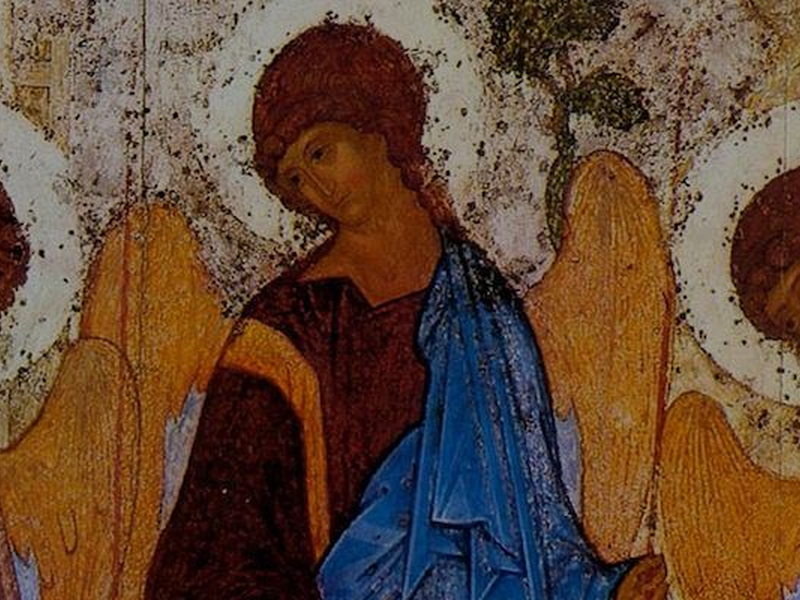
trinity-1-2
Trinity

Are the Divine Persons Persons?

The “personalist” understanding of the Trinity, articulated most influentially in the work of John Zizioulas, has fallen on hard times. Recent scholars have attacked Zizioulas’s idea that Cappadocian Trinitarianism represented an ontological revolution, hammering on the distinction between divine and human personhood. Michel Barnes’s conclusion is the most drastic of…

by Peter LeithartJune 16, 2016
img_4660-2
Architecture

On Biblical Theology

Biblical Theology is often defined as the historical unfolding of God’s revelation, or of God’s revelation and of the history of his covenantal redemption and transformation of humanity and the world. In practice, Biblical Theology is usually broader than this, and also includes the study of literary structure and of…

by James B. JordanJune 14, 2016
laughing_statue_by_xxbobbiie-d5f0meh-2
Humor

Wise Laughter

We are made to be happy. Created to enter into the eternal joy of God, our whole being inclines to that end, but the fallen world has put forth barriers and by our own sin we bar ourselves from that endless delight, and death blinds us to that reality. Yet…

by Remy WilkinsJune 7, 2016
img_7664
Liturgy

Why Theopolis? Take Two

At the end of Revelation, John sees the heavenly city descending to earth. The city shines with the brilliance of God's glory, which lightens the nations, so that kings bring their glory to the city. This is not a vision of the final new heaven and new earth. It's a…

by Peter LeithartJune 2, 2016
trinity-1-2
Attributes of God

How Can We Talk About God?

“No one has ever seen God,” writes John (John 1:18). If this is the case, then how can we speak about God? Some people say we actually cannot. Or at least we cannot speak about God positively, i.e. who He is. We can only say who or what God is…

by Bogumil JarmulakMay 31, 2016

Showing page 130 of 309

See all

Showing page 6 of 43

See all
Science

Peppered Moth

Phillip Johnson reports on the scandal concerning the peppered moth in the December 2003 issue of Touchstone . It’s a pretty grim story, recently told by Judith Hooper in Of Moths and Men . What Johnson calls the “juiciest” scandal “is that the moths, which are nocturnal, do not rest…

December 4, 2003

Nature and Culture

I believe that some time ago I made the connection between Derrida’s “supplement at the origin,” tragedy, and conceptions of the relation of nature and culture. In some systems of thought, culture is a “supplement” to nature and participates in all the problems that Derrida brings out with supplementarity. That…

December 3, 2003
Literature

Arthur Miller on Tragedy

Exum quotes Arthur Miller on tragedy, and Miller I think gets things quite right: “It matters not at all whether a hero falls from a great height or a small one, whether he is highly conscious or only dimly aware of what is happening, whether his pride brings the fall…

December 3, 2003
Biblical Studies

Tragedy and Biblical Narrative

Cheryl Exum’s Tragedy and Biblical Narrative (Cambridge, 1992) argues that there is a “tragic” dimension to the Bible, but in offering her initial explorations she actually seems to be supporting something like the opposite conclusion. 1) She stresses the importance of struggle against fate/gods/God as a key element of tragedy:…

December 3, 2003

Hafeman on Future and Present Justification

As I’ve considered Hafeman’s take on future and present justification (summarized in an earlier post), I’ve come to have some important reservations. First, as I noted at the time, Hafeman’s construction leaves me uncertain about the role of union with Christ. This problem is fixable, I think: Our union with…

December 3, 2003
Science

How Children Learn

The November 15 Science News has a brief review of a multi-author book entitled Einstein Never Used Flash Cards: How Our Children Really Learn and Why They Need to Play More and Memorize Less . The review states that the authors “encourage parents to allow children to learn problem solving…

December 2, 2003

Showing page 2158 of 2212

Browse by Category

In Medias Res

Your weekly digest for all things Theopolis.

Donate

Theopolis is nearly 100% donor-supported. Consider joining us on our mission.