Theopolis Logo

Writing

Explore our collection of theological essays, biblical studies, and reflections on faith and culture.

See all
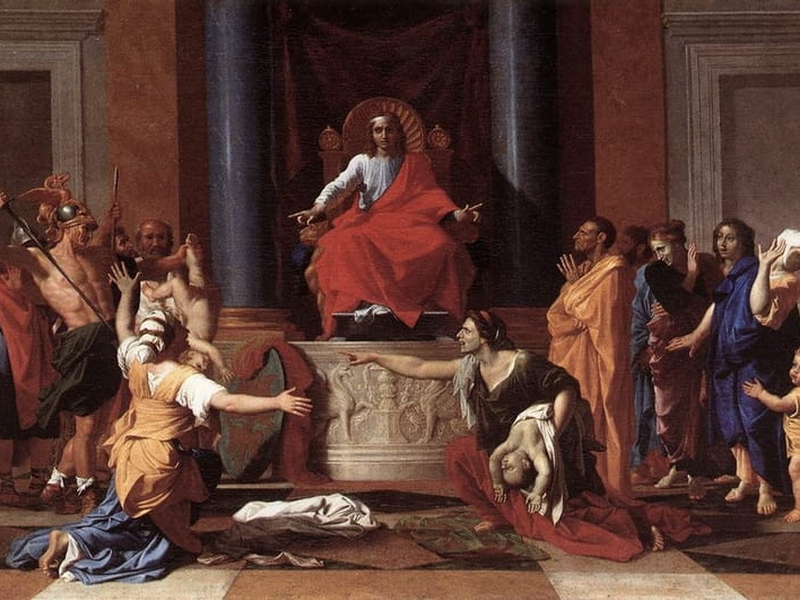
49980-nicolas_poussin_-_the_judgment_of_solomon_-_wga18330-800w-tn
Biblical Studies

Advice From a Sojourner, Part 2

In our first essay in this series ( part 1 ), we saw that Proverbs 30 opens with a puzzle, a cryptic sentence that challenges the reader to search out a matter in order to gain understanding. "It is the glory of God to conceal a matter, but the glory…

by James B. JordanOctober 26, 1989
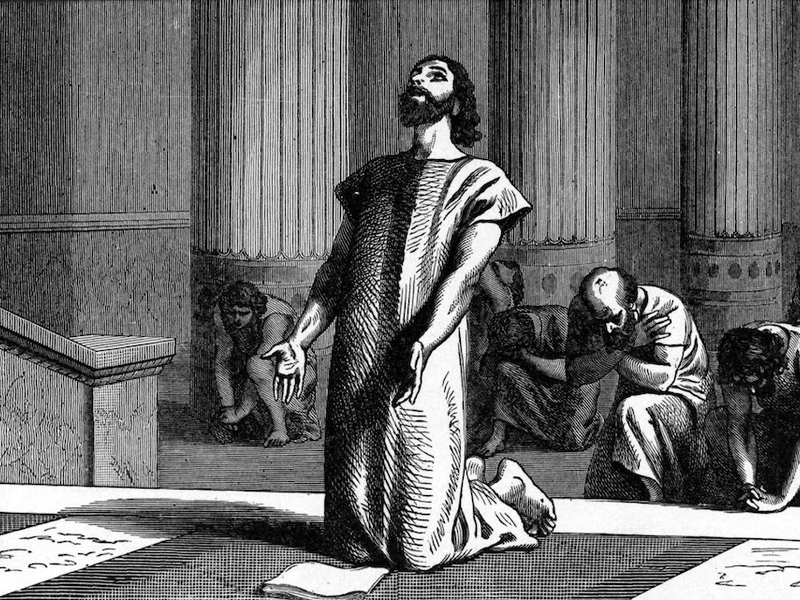
hezekiahs-prayer-2
Isaiah

Hezekiah’s Sign

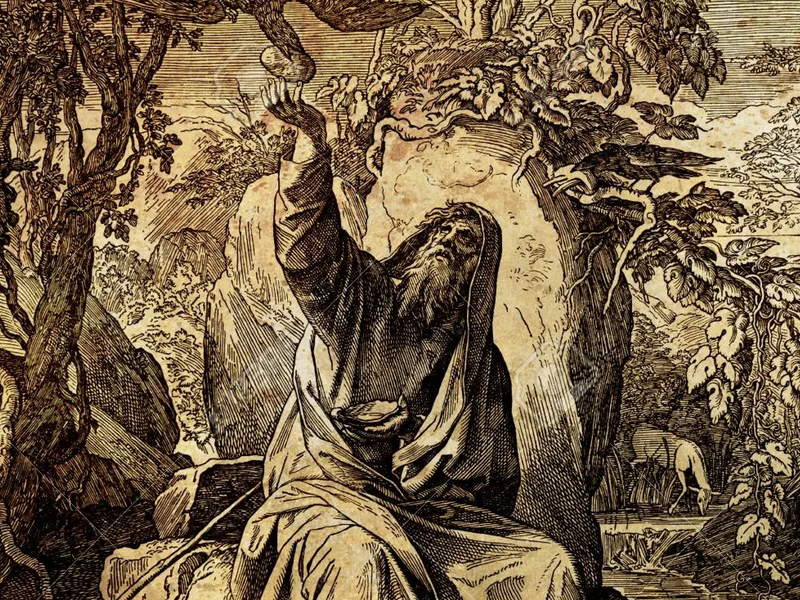
The story of Hezekiah’s illness and recovery is familiar to every child who has attended Sunday School. Informed that he would die, faithful King Hezekiah pleaded in tears for a longer life. God heard his prayers and saw his tears, and promised fifteen more years. As a sign that He…

by Peter LeithartOctober 13, 1989
screen-shot-2021-08-12-at-2-57-54-pm
Proverbs

An Antidote for Yuppie Postmillennialism

1. The Blessed Hope "Looking for the blessed hope and the appearing of the glory of our great God and Savior, Christ Jesus." Titus 2:13 I was recently asked how I as a postmillennialist would preach on "The Blessed Hope." This is often a sticky question, because postmillennialists believe that…

by James B. JordanAugust 26, 1989
screen-shot-2022-01-10-at-5-52-39-pm
American Culture

Elijah’s War with Baal

1. Jeroboam and Ahab After Solomon died, the people came to his son, King Rehoboam, and asked for tax relief. Rehoboam refused to give it, and indeed told the people that he was going to tax them even more severely than his father had. At that point, with the blessing…

by James B. JordanJuly 26, 1989
screen-shot-2020-08-31-at-10-35-03-am
Biblical Horizons

The Love Feast

One aspect of truth is unity. It was Truth Incarnate who prayed for the unity of His people in John 17, which certainly makes unity a priority for them as well. In one sense, we know by faith that the Church is always invisibly unified in Christ, but there is…

by James B. JordanJune 16, 1989
screen-shot-2022-01-07-at-6-38-22-pm
Biblical Studies

The Son of Joseph, Revisited

Mr. Paul Miller of Vancouver writes that he is not persuaded by my remarks on Luke 4 on " The Son of Joseph ." He calls attention to Mark 6:1-6, where Jesus came "to His own part of the country," taught in the synagogue, and astonished many. The people said,…

by James B. JordanMay 16, 1989
See all

Showing page 6 of 43

See all

Day of Wrath (Romans 2)

What about taking “day of wrath” in Romans 2 as AD 70? Some arguments: 1) Dunn lists the verses that use similar phrases for “wrath and indignation” and “tribulation and distress,” and most of them are about historical judgments on Israel. There’s a cluster of uses in Deut 28:55ff, which…

November 7, 2003
Theology

Intellectualism and Voluntarism both arise

Intellectualism and voluntarism both arise from the same theological error: from the assumption that there is some realm that is independent and autonomous. This is most obvious with intellectualism: For intellectualists, things have indepdendent value that God recognizes and evaluates. Voluntarists are, however, making the same error. They assume that…

November 6, 2003

Studebaker on Pauw

Steve Studebaker writers in the Scottish Journal of Theology (56:3) about Edwards’s trinitarian theology, and includes an extended critique of Amy Plantinga Pauw’s treatment of Edwards’s incipient “social trinitarianism.” According to Studebaker, Pauw’s analysis only works if one assumes that the history of Trinitarian theology can be sketched out as…

November 5, 2003

The Olive Tree (Romans 11)

In the same issue of JSNT, Philip Esler examines ancient oleiculture to illumine Paul’s use of the olive tree image in Romans 11. When he describes branches being grafted into an olive tree, Paul refers to a common practice. But the normal practice is to graft cultivated olive branches onto…

November 5, 2003

Acts 20:20

Jerome Neyrey has an interesting article on Acts 20:20 in the current issue of JSNT. He examines the cultural background to Paul’s use of the phrase “in public and from house to house” by examining various expressions in Greek and Latin writers that correspond to modern “public” and “private.” These,…

November 5, 2003
Literature

Modernity

To what extent is modernity merely a recovery of the tragic? Tragedy, to my knowledge, simply didn’t exist in the medieval world. Drama revived late in the medieval period, but tragedy was reintroduced by the Renaissance. In Shakespeare, the tragic is set in a larger Christian comic setting, with profoundly…

November 5, 2003

Showing page 2170 of 2212

Browse by Category

In Medias Res

Your weekly digest for all things Theopolis.

Donate

Theopolis is nearly 100% donor-supported. Consider joining us on our mission.