Theopolis Logo

Writing

Explore our collection of theological essays, biblical studies, and reflections on faith and culture.

See all
screen-shot-2021-06-03-at-8-49-15-am
Ezra

Ezra: The Aaronic Rest-Giver

If you’re a preacher looking for good commentaries on Ezra, you’ll struggle. Certainly to find ones that wrestle in good detail with the text. And certainly ones that don’t cost you an arm and a leg. There’s a good bit more for Nehemiah, which is odd, as the two are…

by Rhys LavertyJune 8, 2021

christian-lue-k1e6994p3t8-unsplash
1 John

1 John in Community

Quick thought experiment: try to pretend you’ve never read 1 John before. Read 1:1-6. Go ahead; I’ll wait. Now, on to v. 7: “But if we walk in the light as He is in the light, we have fellowship with ______….” What word would you expect in that blank, based…

by Tim NicholsJune 1, 2021
noahs-ark-genesis
Hermeneutics

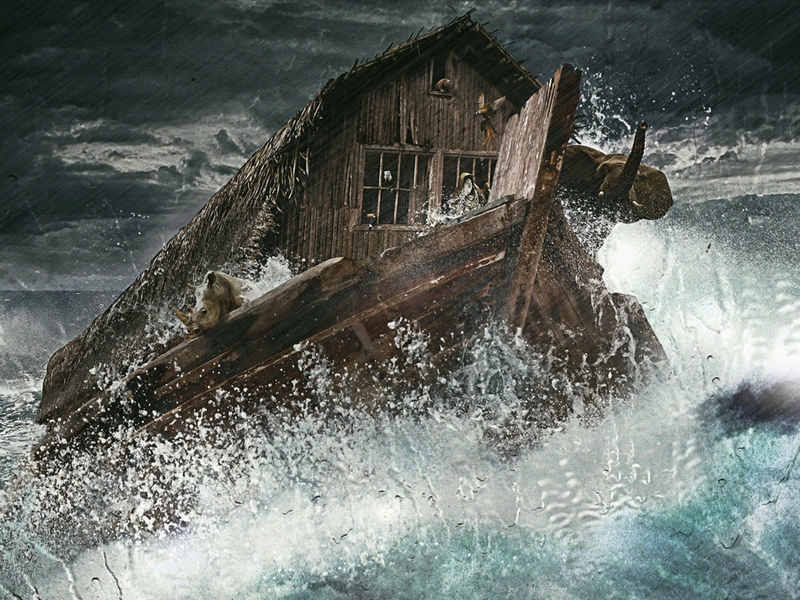
Spending Time with Noah: Reflections on Prepositions in the Flood Narrative

In my work as a Bible translator, I was recently checking our translation team’s draft of Genesis 8:8, which says of Noah (translating the Hebrew quite literally): And he sent out the dove from with him to see: had the waters lessened from upon the face of the ground? Part…

by Josh JensenMay 25, 2021
86758
Philosophy

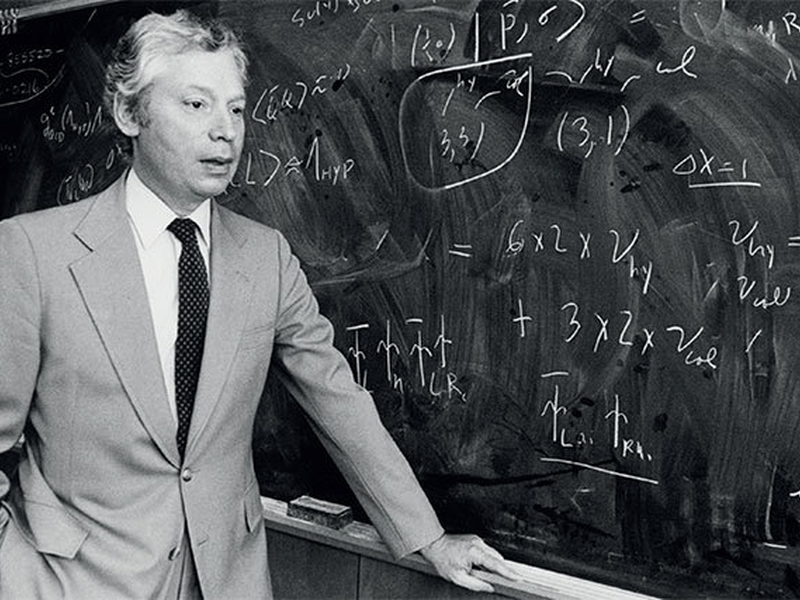
Steven Weinberg Destroyed My Faith

Just in case a reader may not know Weinberg, he is a theoretical physicist and the winner of the Nobel prize in physics in 1979, as well as countless other prizes for his research. He is also a prolific, lucid, and captivating writer. If you want to read something on…

by Ralph Allan SmithMay 18, 2021
screen-shot-2020-09-17-at-9-11-45-am
Colossians

Reconciliation in Colossians 1:20

Colossians 1:15-20 is a famous passage in Paul’s epistles because it is a succinct and powerful poem. It appears even to have been a hymn. Given the uniquely Pauline language — “reconciliation” is a term used only by Paul — it should not seem odd to attribute the poem/hymn to…

by Ralph Allan SmithMay 11, 2021
stalker_still
Movies

Terror of Knowing Myself

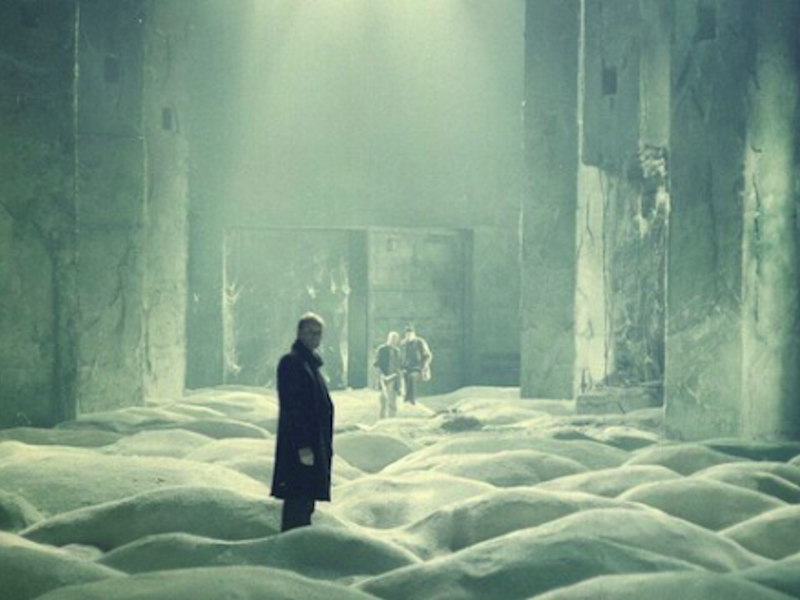
Stalker (1979) is a film by Andrei Tarkovsky based on Roadside Picnic by the Strugatsky brothers. It shows a day from the life of a stalker, a man who enters the so-called "Zone", an Alien landing site, where he leads people to a room that grants people’s innermost desires, which…

by Bogumil JarmulakMay 4, 2021

Showing page 55 of 309

See all

Showing page 6 of 43

See all

Tangled

E mma Tarlo's recent Entangled is a study of the global market in human hair. In a TLS review , Kathryn Hughes describes a “multi-billion-dollar global hair market.” Tarlo explores “the processes by which the greasy hairballs unpicked in Mandalay get refashioned into ‘frothy toppers' and ‘dome bowlers' in New…

December 2, 2016

Stop!

“S cott Alexander” (a pseudonym) applies some common sense the media characterization of Trump as an “openly racist” candidate dedicated to courting the KKK. He estimates, for instance, that there are 3-5000 Klansman in the US. Over the course of the campaign, he estimates that at least 14,000 articles were…

December 2, 2016

Three Forms of Madness

I n an editorial introduction to King Lear , GK Hunter observes that the play depicts three forms of madness. First, “The Fool has a quality of savage innocence that the other two lack. . . . His stock consists in the main of songs and riddles, nonsense-rhymes and a…

December 2, 2016

Slapstick Tragedy

A lexander Leggatt ( King Lear ) captures the oddity of King Lear by calling attention to the blunt physicality of the play: “The tortured body is a recurring image. . . . According to J.I.M. Stewart, ‘The blinding of Gloucester represents a sort of crystallizing of this element of…

December 2, 2016

Structure and Theme in Lear

N ote #1: Act 1, scene 2 of King Lear , which initiates Edmund's plots against father Gloucester and brother Edgar, is structured chiastically: A. Edmund's first soliloquy. B. Edmund with Gloucester, accusing Edgar. C. Edmund's second soliloquy. B'. Edmund with Edgar, sowing suspicion that Gloucester is suspicious of Edgar.…

December 2, 2016

Freak of History

Diarmaid MacCulloch starts his study of the Reformation, All Things Made New , with a sketch of the medieval world. It's a bit rosy, emphasizing the unity of medieval Europe: “The most noticeable characteristic of Western Europe in what we call the Middle Ages was its cultural and religious unity…

December 2, 2016

Showing page 227 of 2212

Browse by Category

In Medias Res

Your weekly digest for all things Theopolis.

Donate

Theopolis is nearly 100% donor-supported. Consider joining us on our mission.