Theopolis Logo

Writing

Explore our collection of theological essays, biblical studies, and reflections on faith and culture.

See all
irenaeus-of-lyons-620x350
Anthropology

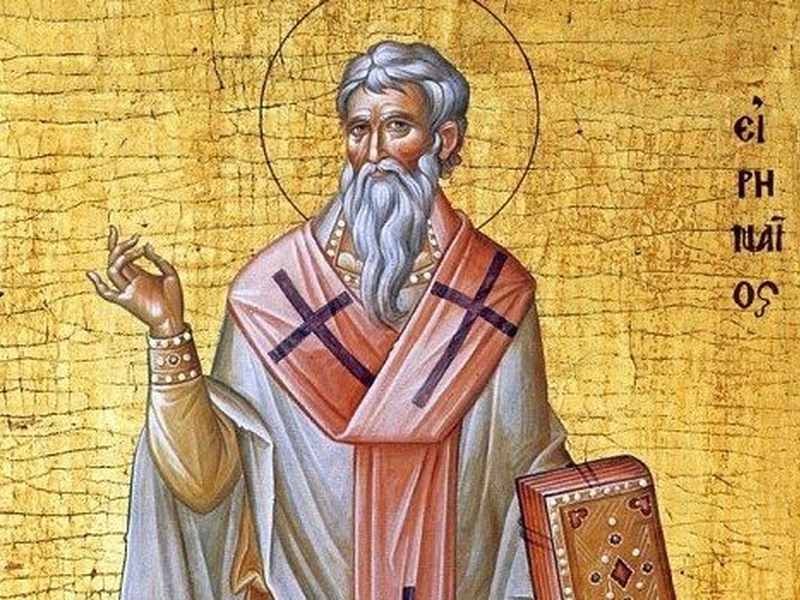
What Irenaeus’ Christology Teaches Us about the Goodness of our Bodies

The Christian tradition has always had an uneasy relationship with the materiality of creation. Dirt, liquid, sex, blood, and bodies—the world and the flesh stand in company with the Devil as two of the three great enemies of the saints. Mundus, caro, et diabolus , as the old Latin saying…

by Gerald HiestandSeptember 13, 2018

masada-aerial-crop
Biblical Studies

The Second Death in Liturgy and History

Since the destruction of Jerusalem was an event of earth-shattering covenantal significance, what might be the meaning of the subsequent tragic events at the desert fortress of Masada? In Hebrew, the name Masada means “strong foundation or support,” from a root meaning “to hunt, lie in wait for prey.” Located…

by Mike BullSeptember 11, 2018
pray-442560_1920
How to Worship

Cross My Heart

Take a long look at the photo above. To whom is this woman praying? It is hard to tell, isn’t it? Suppose we watch her for a while. We may see her bow low to the floor. Her lips may move, though perhaps it is too low for us to…

by Christopher KouSeptember 6, 2018
img_7664
Biblical Theology

The Problem of Psalm 137

Psalm 137 is widely regarded as one of the meanest of the imprecatory psalms. Certainly as we read it it is seems to be a song of pure vengeance. The exiles in Babylon, in grief over the judgment that Babylon has brought upon them, pray for the destruction of that…

by James B. JordanSeptember 4, 2018
covenant-epistemology
Course Recap

A Week with Esther Meek: Course Recap

Forty men and women came from all over the United States to attend the 2018 Trinity Term course at Theopolis. Pastors, students, teachers, an electrician, a city planner, and others from a variety of denominations spent five days at Beeson Divinity School studying covenant epistemology under the tutelage of philosopher…

by TheopolisAugust 31, 2018
last-supper
Matthew

Galilee of the Gentiles

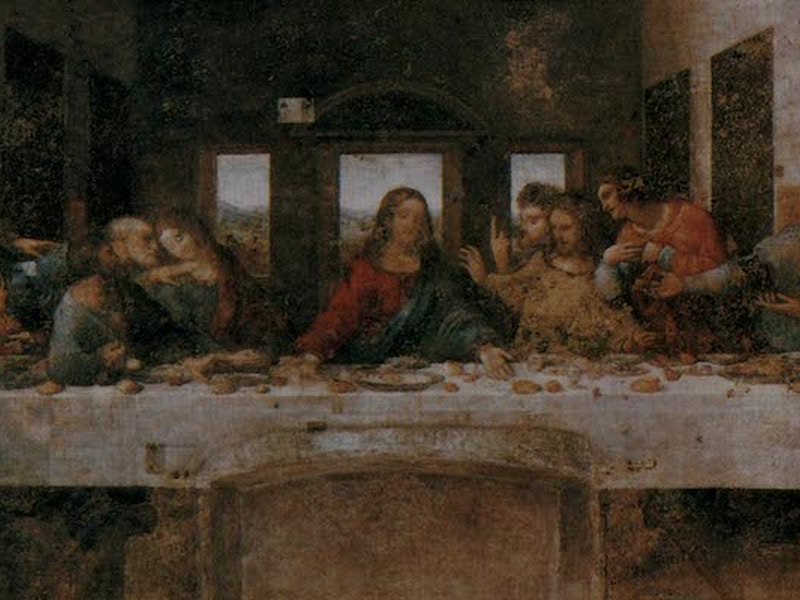
Matthew records that Jesus "withdrew" to Galilee to begin His public ministry there after He "heard that John had been delivered up" (Mt. 4:12). Matthew’s typically matter-of-fact style veils the truly remarkable character of Jesus’ withdrawal. Matthew has been presenting Jesus as the Messiah, the Seed of Abraham and Son…

by Peter LeithartAugust 31, 2018

Showing page 88 of 309

See all

Showing page 6 of 43

See all

Justice and Faith in Acts

Paul's sermons in Acts 13 and 17 both employ language connected with the theme of justification that occupies so much attention in Romans and Galatians. Yet Paul uses the same concepts and terminology in ways that don't seem to fit his usage in the epistles. In Acts 13:38-39, he tells…

April 26, 2016

Protestant Individualism?

In her book on Common Prayer , Ramie Targoff claims that “What emerges in the aftermath of the Reformation is less a triumphant embrace of the individual's private and individual self than a concerted effort to shape the otherwise uncontrollable and unreliable internal sphere through common acts of devotion” (6).…

April 26, 2016

Sons of Levi

The genealogy of Levi is at the center of the genealogical section of 1 Chronicles. The genealogy begins with Adam and reaches ahead to the restoration from exile. In short, the genealogies survey all of human history, and, with the Levites at the center, it's as if the human race…

April 25, 2016

Atoning Alms

Early on in David Downs's study of Alms and atonement in early Christianity, he offers this striking quotation from Basil. He urges his hearers to keep the commandment to feed the hungry “as you would take hold of a fugitive, securing it from all sides with grasping hands and encircling…

April 25, 2016

Suffering Historiography

Theological investigations of Naziism are often dogged by “a subtle methodological difficulty,” writes Paul Hinlicky in Before Auschwitz (2): “the ‘retrospective fallacy,' sometimes also called ‘presentism.'” As Hinlicky explains, “Unlike the historical actors in church and society during the 1920s and 1930s in Germany, our inquiry benefits from certain knowledge…

April 25, 2016

Pagans and their Images

Paul's criticism of idols in his Athens speech repeats philosophical commonplaces about the nature of God and the difference between God and images, commonplaces as old as Plato and as contemporary as Seneca. But they were philosophical commonplaces. Lane Fox has pointed out that the philosophical skepticism about images was…

April 21, 2016

Showing page 296 of 2212

Browse by Category

In Medias Res

Your weekly digest for all things Theopolis.

Donate

Theopolis is nearly 100% donor-supported. Consider joining us on our mission.