Theopolis Logo

Writing

Explore our collection of theological essays, biblical studies, and reflections on faith and culture.

See all
evangelists
Matthew

Dating Matthew, (Part 1)

When might the Gospel according to Matthew have been written? Of course, any answer can only be speculation, but that does not mean we are reduced to groundless opinion. In this series of articles I point the way to an approach different from the general consensus among scholars today which…

by Ralph Allan SmithNovember 22, 2016
hebrew-manuscript-3
Hermeneutics

Synopticity, (Part 2)

In my first essay on “synopticity” I offered a rather rough definition of the phenomenon and important, though not exhaustive examples. In this essay, I want to introduce broader aspects of the phenomenon of “synopticity.” The first example that I have in mind is conventional stories, stories of different historical…

by Ralph Allan SmithNovember 17, 2016
screen-shot-2016-03-31-at-9-32-11-am
Ascension

Brexit and the Binding of Satan, Part 4

Since the judgment of Babel was followed by the initiation of the circumcision, the impending end of the circumcision in AD70 explains the significance of the first century miracle of foreign tongues. Except for a few Aramaic “teasers” in the book of Daniel, the Word of God was monolingual and…

by Mike BullNovember 15, 2016
four-evangelists
Hermeneutics

Synopticity, (Part 1)

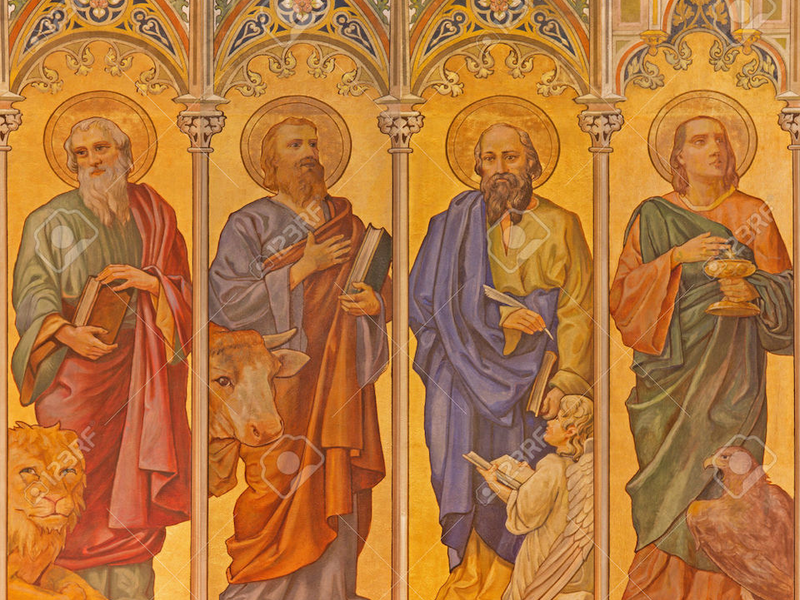
To the best of my knowledge “synopticity” is not a word used in theology or Biblical studies, but it seems an appropriate word to describe the kind of phenomena associated with the Synoptic Gospels, Matthew, Mark, and Luke. These three Gospels tell essentially the same story with significant — sometimes…

by Ralph Allan SmithNovember 10, 2016
laughing_statue_by_xxbobbiie-d5f0meh-2
Humor

Learning to Laugh

Humor is a funny thing. It is altogether familiar yet also mysterious. What makes us laugh? Why do we find things funny? There are academic fields of study dedicated to discovering what makes things humorous. These academicians even have a journal entitled International Journal of Humor Research . No joke.…

by Bill SmithNovember 8, 2016
chaucer
Literature

Flawed Means of Grace: Liturgy in The Pardoner's Tale

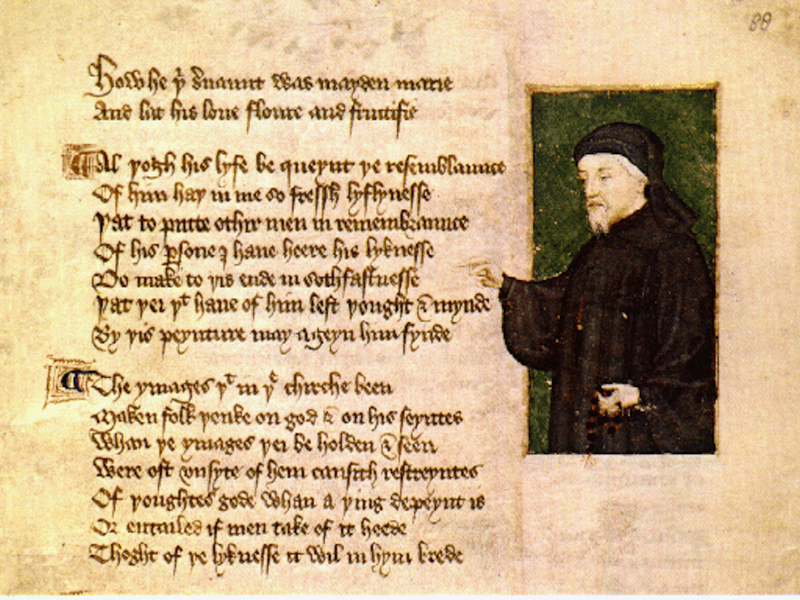
Out of all the characters in Geoffrey Chaucer’s The Canterbury Tales , the Pardoner has been called the “one lost soul.” The pious Parson, who closes out the collection of tales with a sermon on the seven deadly sins and how a sinner can absolve himself of them, connects the…

by Christian LeithartNovember 3, 2016

Showing page 122 of 309

See all

Showing page 6 of 43

See all

Aristotle on Trump

Trump and Aristotle may not seem to have a lot in common, Carson Holloway argues that Aristotle's Politics illuminates the deep source of Trumpism. In Book 5, Aristotle describes the origins of political factions: “In general, he teaches, human beings become factious over equality and inequality. That is, political conflict…

April 11, 2016

In Praise of the Repairman

Matthew Crawford is an advocate for the moral and intellectual value of manual labor. He argues in Shop Class as Soulcraft that “T he moral significance of work that grapples with material things may lie in the simple fact that such things lie outside the self. A washing machine, for…

April 11, 2016

Breaking With the Imperium

Listening to Rod Dreher read the final paragraph of After Virtue , I was struck by MacIntyre's description of the political prerequisite for forming communities of virtue in the new dark ages that are upon us. Here's the famous passage: “It is always dangerous to draw too precise parallels between…

April 8, 2016

The Triumph of One-Armed Bandits

“Until the mid-1980s, green-felt table games such as blackjack and craps dominated casino floors while slot machines huddled on the sidelines, serving to occupy the female companions of ‘real' gamblers,” writes Natasha Dow Schull in her 2014 Addiction By Design . Slot machines were “often placed along hallways or near…

April 8, 2016

Comparative Religion

Comparisons of different religious beliefs and practices wasn't new in the 19th century. At least since the age of exploration, Europeans had been compiling long and detailed treatises comparing Christian with “heathen” religion. What was new in the 19th century was the formation of a discipline of comparative religion. In…

April 8, 2016

Jigging and Expertise

In an essay on “ The Intelligent Use of Space ,” David Kirsh observed that since we have bodies, “we are spatially located creatures: we must always be facing some direction, have only certain objects in view, be within reach of certain others. How we manage the space around us,…

April 7, 2016

Showing page 301 of 2212

Browse by Category

In Medias Res

Your weekly digest for all things Theopolis.

Donate

Theopolis is nearly 100% donor-supported. Consider joining us on our mission.