Theopolis Logo

Writing

Explore our collection of theological essays, biblical studies, and reflections on faith and culture.

See all
evangelists
Matthew

Dating Matthew, (Part 1)

When might the Gospel according to Matthew have been written? Of course, any answer can only be speculation, but that does not mean we are reduced to groundless opinion. In this series of articles I point the way to an approach different from the general consensus among scholars today which…

by Ralph Allan SmithNovember 22, 2016
hebrew-manuscript-3
Hermeneutics

Synopticity, (Part 2)

In my first essay on “synopticity” I offered a rather rough definition of the phenomenon and important, though not exhaustive examples. In this essay, I want to introduce broader aspects of the phenomenon of “synopticity.” The first example that I have in mind is conventional stories, stories of different historical…

by Ralph Allan SmithNovember 17, 2016
screen-shot-2016-03-31-at-9-32-11-am
Ascension

Brexit and the Binding of Satan, Part 4

Since the judgment of Babel was followed by the initiation of the circumcision, the impending end of the circumcision in AD70 explains the significance of the first century miracle of foreign tongues. Except for a few Aramaic “teasers” in the book of Daniel, the Word of God was monolingual and…

by Mike BullNovember 15, 2016
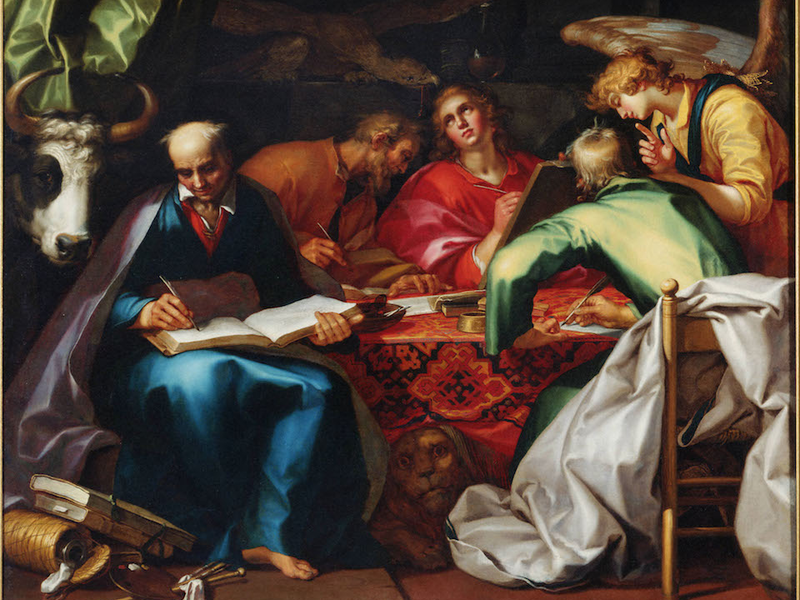
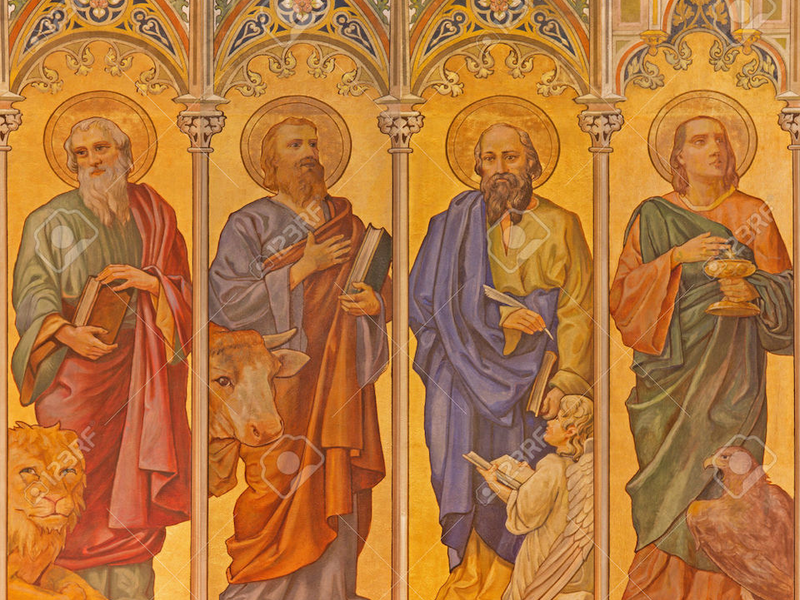
four-evangelists
Hermeneutics

Synopticity, (Part 1)

To the best of my knowledge “synopticity” is not a word used in theology or Biblical studies, but it seems an appropriate word to describe the kind of phenomena associated with the Synoptic Gospels, Matthew, Mark, and Luke. These three Gospels tell essentially the same story with significant — sometimes…

by Ralph Allan SmithNovember 10, 2016
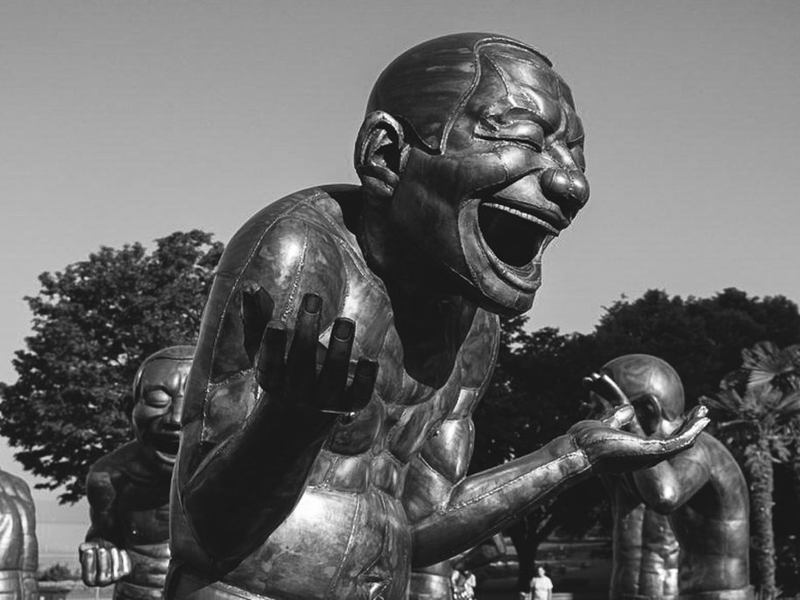
laughing_statue_by_xxbobbiie-d5f0meh-2
Humor

Learning to Laugh

Humor is a funny thing. It is altogether familiar yet also mysterious. What makes us laugh? Why do we find things funny? There are academic fields of study dedicated to discovering what makes things humorous. These academicians even have a journal entitled International Journal of Humor Research . No joke.…

by Bill SmithNovember 8, 2016
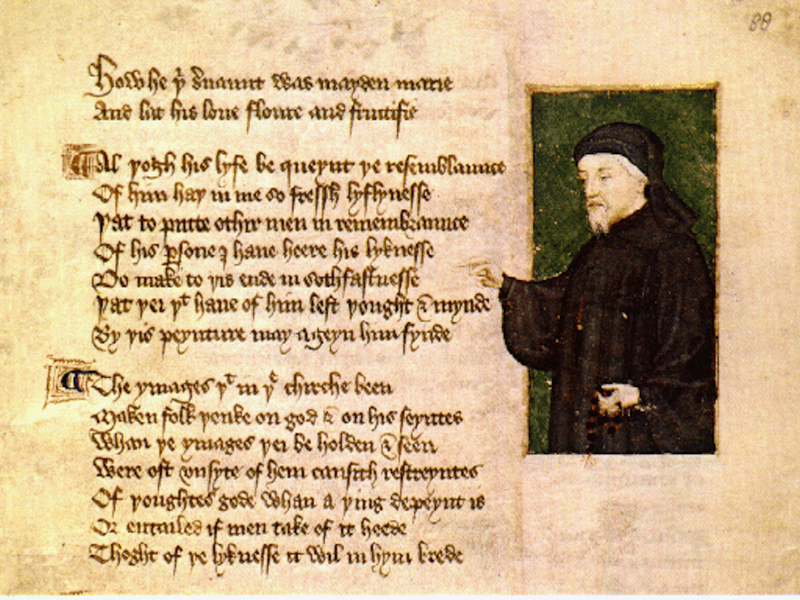
chaucer
Literature

Flawed Means of Grace: Liturgy in The Pardoner's Tale

Out of all the characters in Geoffrey Chaucer’s The Canterbury Tales , the Pardoner has been called the “one lost soul.” The pious Parson, who closes out the collection of tales with a sermon on the seven deadly sins and how a sinner can absolve himself of them, connects the…

by Christian LeithartNovember 3, 2016

Showing page 122 of 309

See all

Showing page 6 of 43

See all
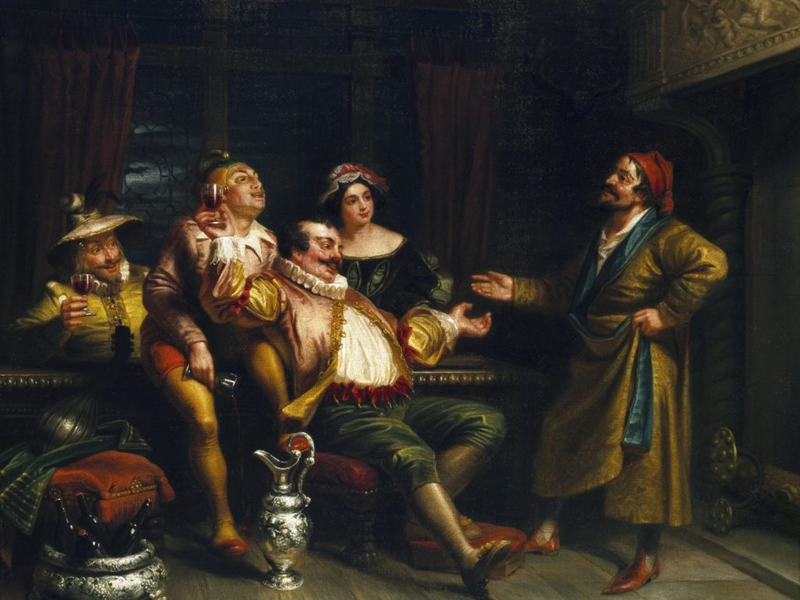
malvolio_confronting_the_revelers_hall_1855
ShakespeareStory

Call Me Malvolio

Call me Malvolio. I was lately the steward of the house of the great and famed Countess Olivia of Illyria. You may have heard of her. I had charge of my Lady’s household retinue, the maids and men who clean, cook, and care for the house. I do my work…

April 10, 2020
jesus-passion-memling-2
Exodus

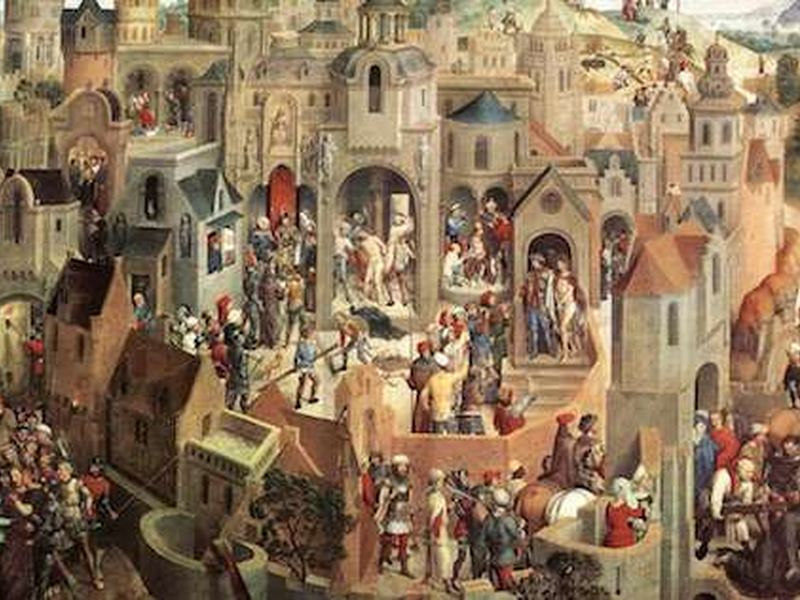
The Veil and the Screen

Exodus 26 describes the formation of the tabernacle - the layered curtains, the boards and bases, the bars that secure the boards. The chapter ends with a description of the paroket , the veil that separates the Holy Place from the Most Holy (Exodus 26:31-37; v. 33). The screen is…

April 8, 2020
worship-early-christian
Coronavirus

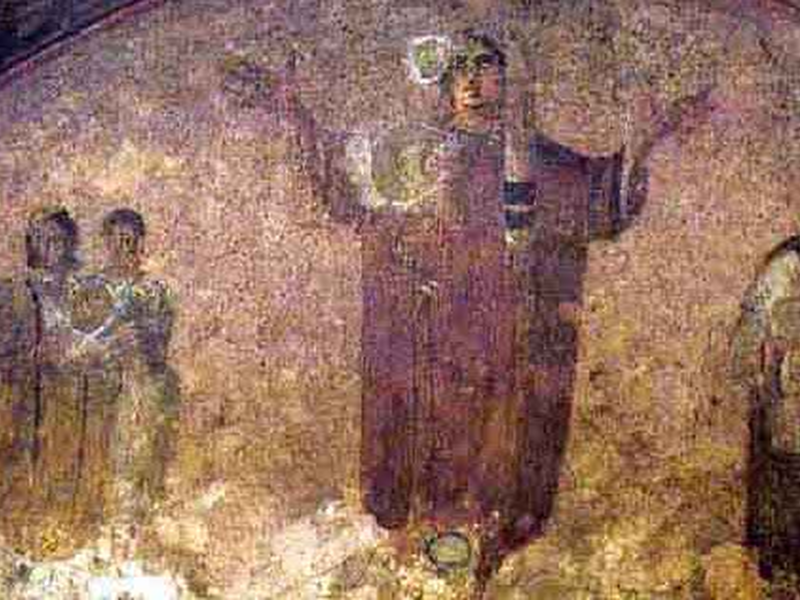
A Time For Presence

We're forcibly separated from each other. Residents of many cities around the world are sheltered in place, permitted to leave home only for basic necessities. It's tempting to hunker down in our personal bunkers, avoid contact with others, and wait out the storm. The opposite is true. More than usual,…

April 6, 2020
hebrew-manuscript-2
Exodus

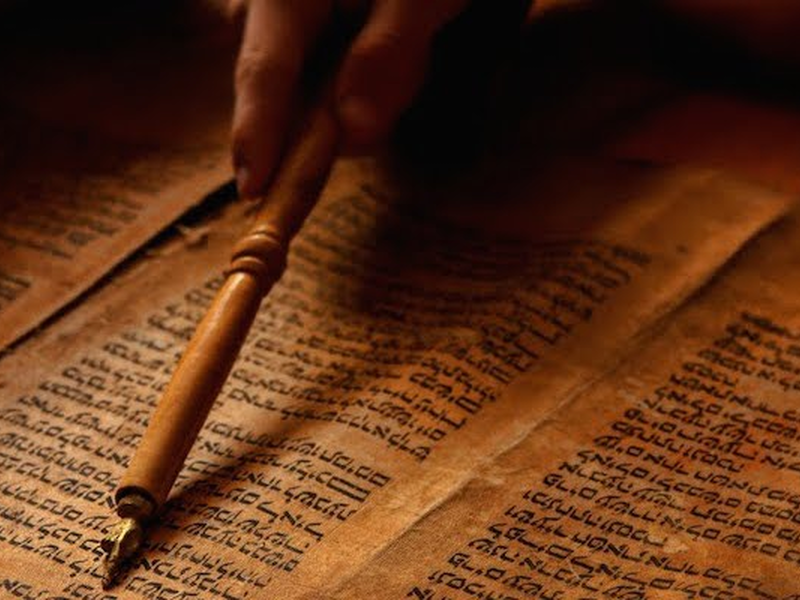
Bars

The tabernacle has walls of gold-plated wood (Exodus 26:15-25). Those walls are held together by gold-plated bars (26:26-30). There are five bars on each of the long sides of the tabernacle (vv. 26-27), and five bars across the back wall (Exodus 26:27). The bars are held in place by gold…

April 3, 2020
cafe-van-gogh
Coronavirus

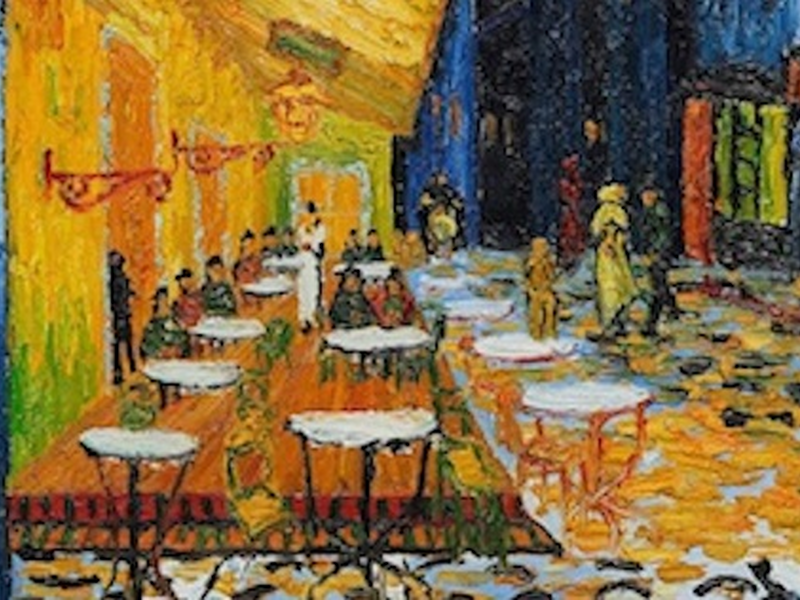
Trust or Terror

In my First Things column last week, I examined the “apocalyptic” character of the coronavirus epidemic. “Apocalypse” doesn’t mean “end of the world,” but “uncovering” or “unveiling.” In the column, I focused on how the epidemic can unveil our sins, our decadence, our distorted values and desires. Plagues unveil what…

April 1, 2020
caspar_david_friedrich_-_graveyard_under_snow_-_museum_der_bildenden_ku%cc%88nste
DeathLiterature

Memento Mori

Virtually all the characters in Muriel Spark’s 1959 novel, Memento Mori , are over 70. They suffer the physical humiliations of aging and the pains of regret. Unexpectedly, hilariously, they’re as competitive and petty as schoolchildren. Well into his 80s, Godfrey Colston scorns the crippled critic Guy Leets for the…

March 30, 2020

Showing page 32 of 2212

Browse by Category

In Medias Res

Your weekly digest for all things Theopolis.

Donate

Theopolis is nearly 100% donor-supported. Consider joining us on our mission.